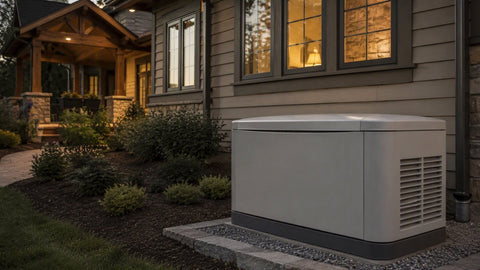
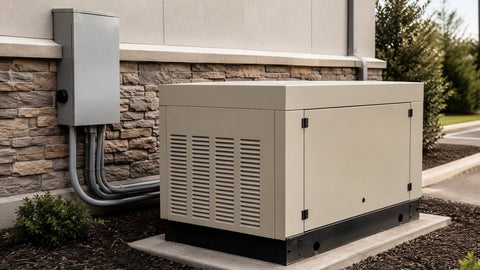
Generac owns the home standby generator market the way Kleenex owns tissues — roughly three of every four residential standby units installed in North America carry the orange badge, and after fifteen years of installing and servicing alongside them, I understand why: the Guardian line is priced for volume, the dealer network is everywhere, and when an ice storm takes out the county at 2 a.m., a Generac with a maintained battery starts. But "the default choice" is not the same as "the right choice for your job," and the 2025–2026 lineup changes (the Next Gen 28 kW, the EFIC engine, PWRcell's evolution) shifted the spec math for contractors. This guide is the contractor-grade version: the real lineup, fuel-burn math, NEC installation requirements, competitive positioning against Kohler/Cummins/Briggs, and the procurement realities of buying Generac at wholesale.
1. Company Overview
Generac Power Systems, founded 1959 in Waukesha, Wisconsin, claims the first affordable home standby generator (1971) and has dominated the category since. The company now spans four businesses that matter to our customers: air-cooled home standby (the Guardian line, 10–28 kW), liquid-cooled Protector series (22–60 kW, estates and light commercial), portables (the GP and PM series contractors actually run), and energy storage (PWRcell batteries and the PWRmanager load-control ecosystem, plus the ecobee acquisition that pushed Generac into home energy management). The scale advantage is real: a dealer network measured in the thousands, parts availability that smaller brands can't match, and engineering iterations that arrive yearly because volume funds them. The scale disadvantage is also real: Generac optimizes for the mass market, and specialists (Cummins for quiet, Kohler for certain commercial duty cycles, Briggs for warranty length) beat it in niches. Know which game you're playing.
2. Current Product Lines (2025–2026)
| Model | Power (LP/NG) | Engine | Transfer Switch | Key Feature |
|---|---|---|---|---|
| Guardian 26 kW (7291) | 26,000 / 22,500 W | G-Force 1000 | 200A Whole House | 230 LRA starting, aluminum enclosure |
| Next Gen 28 kW | 28,000 / 25,000 W | EFIC w/ hydraulic lifters | 200A Smart | Most powerful air-cooled; PowerZone 200 controller |
| Guardian 22 kW (7290) | 22,000 / 19,500 W | G-Force 1000 | 200A | Best-selling whole-home size |
| Guardian 13–18 kW | 13,000–18,000 W class | G-Force 800 series | 100–200A options | Essential-circuit and small-home coverage |
| Protector 48 kW (RG048) | 48,000 W | Liquid-cooled gaseous | PowerZone 410 | Light commercial / large estate |
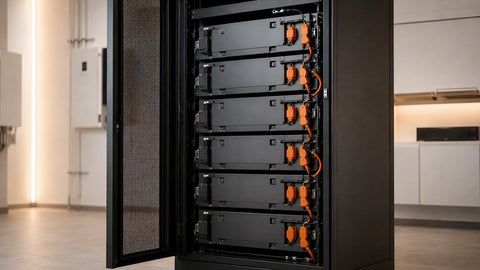
| PWRcell Battery | 9–36 kWh | LFP cells | PWRcell Inverter | Solar self-consumption + backup |
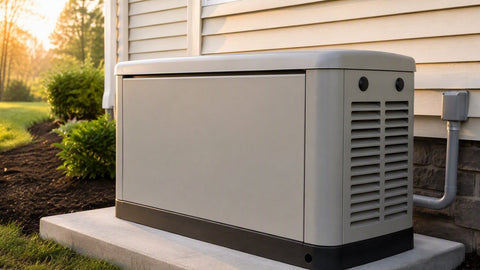
The headline of the current cycle is the 28 kW Next Gen — the most powerful air-cooled home standby on the market, built on the new EFIC engine with hydraulic valve lifters (translation: no valve-lash adjustments, which removes the most-skipped maintenance item on the old G-Force engines). The 26 kW (7291) remains the volume flagship we stock deepest — its 230 LRA motor-starting capability is the number that matters for homes with big AC compressors. And the 22 kW (7290) stays the best-seller because it hits the whole-home coverage threshold for the median American house at the median budget.
3. Fuel Burn: The Table Every Homeowner Actually Needs
Nobody asks about kilowatts after day one of an outage — they ask "how long will my propane last?" Here are the published consumption figures for the current Guardian line (verify against the current datasheet for your exact SKU; Generac revises ratings between model years):
| Model | Fuel | Half-Load Consumption | Full-Load Consumption | 500-Gal LP Tank Runtime (50% load, usable ~400 gal) |
|---|---|---|---|---|
| Guardian 22 kW (7290) | Natural gas | ~203 ft³/hr | ~327 ft³/hr | n/a (utility supply) |
| Guardian 22 kW (7290) | Propane | ~2.1 gal/hr | ~3.6 gal/hr | ~190 hours (~8 days) |
| Guardian 26 kW (7291) | Natural gas | ~215 ft³/hr | ~350 ft³/hr | n/a (utility supply) |
| Guardian 26 kW (7291) | Propane | ~2.3 gal/hr | ~3.9 gal/hr | ~174 hours (~7 days) |
| Guardian 13 kW | Propane | ~1.4 gal/hr | ~2.3 gal/hr | ~285 hours (~12 days) |
Two field notes on that math. First, real outages run at 25–50% load most hours — the full-load column is for sizing the gas meter, not for runtime panic. Second, natural gas figures matter most for the plumber: a 26 kW at full load pulling ~350 ft³/hr needs a gas service and meter that can actually deliver it alongside the furnace and water heater, and undersized gas supply is the number-one commissioning failure I see on standby installs. The generator starts fine on the test run, then browns out the first time the furnace kicks during an outage. Size the meter and the regulator for the sum, not the average.
4. Sizing: The Load Math Before the Sale
The correct generator size comes from a load calculation, not a rule of thumb — but rules of thumb are how you sanity-check the calc. Here's the worked example I walk customers through for a typical 2,500 ft² all-electric-ish home:
| Load | Running Watts | Starting (Surge) Watts | Covered by 22 kW? |
|---|---|---|---|
| Central AC (4-ton, with soft start) | ~3,800 | ~11,000–15,000 | Yes — 230 LRA class starting on 26 kW handles most 4–5 ton compressors |
| Electric water heater | 4,500 | 4,500 | Yes, managed via load shedding if needed |
| Well pump (1 HP) | ~1,000 | ~3,000–4,000 | Yes |
| Refrigerator + freezer | ~700 combined | ~2,200 surge | Yes |
| Furnace blower (gas heat) | ~800 | ~1,600 | Yes |
| Range (partial use), microwave, lights, networking | ~3,000 typical | — | Yes, with sensible management |
| Realistic simultaneous total | ~9,000–14,000 | Peak ~18,000 | 22 kW NG (19,500 W) covers it; heavy electric homes want 26 kW |
The trend line worth knowing: heat-pump conversions and EV chargers are pushing residential peak loads up fast, which is precisely why Generac built the 28 kW. If the home has two AC compressors, an EVSE, or an electric range habit, quote the 26–28 kW tier and sleep well. Our whole-home generator sizing guide runs the detailed version of this math, and the 22 kW guide and 26 kW guide cover the two most-quoted sizes head to head.
5. Generac vs the Competition
| Criteria | Generac | Cummins QuietConnect | Kohler RES | Briggs PowerProtect |
|---|---|---|---|---|
| Top air-cooled kW | 28 kW | 20 kW | 26 kW | 26 kW |
| Standard warranty | 5 years | 5 years | 5 years | 10 years |
| Remote monitoring | Mobile Link (free) | Cummins Connect Cloud | OnCue Plus | EnergyTrak |
| Engine family | G-Force / EFIC | Cummins-designed | Kohler OHVI | Vanguard |
| Dealer network | 7,000+ (largest) | 500+ certified | 10,000 dealers | Extensive |
| Battery storage | PWRcell | — | — | — |
How I read that table for customers: Generac wins on coverage and ecosystem — highest air-cooled output, biggest service network, free monitoring, and the only storage ecosystem under the same brand. Briggs wins the warranty arms race at 10 years standard. Cummins wins on perceived quiet and commercial DNA, though its air-cooled ceiling at 20 kW rules it out of big electric homes. Kohler's commercial heritage and dealer count make it the strongest "not-Generac" default. For most whole-home residential jobs, Generac's parts-and-service density settles it: when the unit needs a controller board in year seven during an ice storm, the brand with a stocking dealer 20 minutes away is the right brand. That's not marketing; that's a Tuesday I remember.
6. Recent Releases (2025–2026)
The current product cycle is the busiest Generac has run in years, and three releases matter to contractors. First, the Next Gen 28 kW air-cooled already covered above — the EFIC engine's hydraulic lifters remove the valve-lash service item, and the 28 kW ceiling closes the gap between air-cooled and liquid-cooled that used to force awkward upsells on big electric homes. Second, the PowerZone 200/410 controllers spreading across the line: better diagnostics, cleaner Mobile Link integration, and commissioning flows that cut install-day time. Third, the ecobee integration — Generac's smart-thermostat acquisition is now visibly feeding the home-energy-management layer, so generator, battery, thermostat, and load control increasingly present as one system in the customer's app. None of these are reasons to rip out a healthy 7290; all of them are reasons the quote you write this quarter should reference current SKUs rather than last year's cheat sheet. Watch the generator-SKU transitions at the distributor level too — model-year changeovers are when closeout pricing appears on outgoing units, and our Generac collection reflects them as they land.
7. Certifications and Code Listings
The paperwork that keeps inspectors happy: Guardian units carry UL 2200 listing (the stationary engine-generator safety standard) and EPA emissions certification; installations land under NEC Article 702 (optional standby systems) for residential, with Article 445 covering the generator itself and 250 for grounding — bond/neutral configuration depends on whether the ATS is a switched-neutral or solid-neutral design, and getting that wrong is both a shock hazard and a failed inspection. Fuel work runs under NFPA 54 (gas) and NFPA 58 (propane), with setback rules from openings and property lines that your local AHJ interprets with varying enthusiasm — get the permit set stamped before the pad is poured. In hurricane and seismic zones, anchoring details matter: the composite pads are fine on grade, but high-wind jurisdictions want mechanical anchoring, and some coastal AHJs want the unit elevated above the design flood elevation. None of this is exotic; all of it is easier before the concrete truck arrives than after.
8. Installation Notes: Where Standby Installs Actually Go Wrong
I've inspected and corrected enough failed generator installs to fill a separate article, but the recurring failures cluster in five places:
- Clearances. NEC and manufacturer minimums — typically 18 inches from the house wall, 5 feet from openings (windows, doors, vents) per most local codes, and nothing combustible overhead. The pad settles, the unit drifts toward the house over two winters of frost heave, and suddenly your install photo is evidence. Pour a real pad or use a proper composite base on compacted gravel, and pin it.
- Gas sizing. As covered above: total the connected BTU load, verify meter capacity with the utility before install day, and size the run for the generator's full-load demand with the house load stacked. A 3/4-inch line feeding a 26 kW at 40 feet is a commissioning failure waiting to happen.
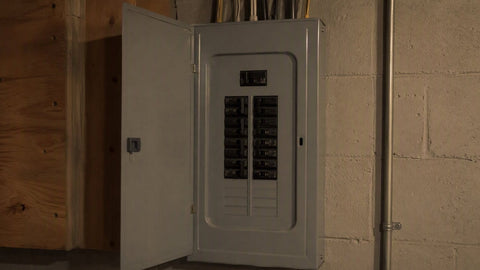
- The transfer switch is the system. Service-entrance ATS (the 200A Whole House units we stock, like the 7291 with 200A SE ATS) makes the generator a code-clean service replacement; sub-panel style switches limit you to selected circuits. Both are legitimate — the mistake is selling whole-home expectations with partial-home hardware. Our transfer switch inventory and the NEC 700/701/702 distinction (emergency / legally required / optional standby — residential is 702, and its rules are the most forgiving, but inspectors still read labels) belong in every installer's head.
- Load management for big electric homes. Generac's Smart Management Modules (SMMs) or the PWRmanager ecosystem let a 22–26 kW unit carry a house that would otherwise need liquid-cooled iron — the AC condenser and water heater take turns instead of stacking. Skipping the SMMs on a two-compressor home is the cheapest way to buy a callback.
- Commissioning discipline. Exercise schedule set (weekly, off-peak, no-load is fine), firmware current, Mobile Link activated before you leave, and the first oil change dated on the unit (8–25 hour break-in oil is the most-skipped service item in the category). A standby generator is an engine that must work after 364 days of neglect — build the maintenance schedule into the handover paperwork.
7. PWRcell and the Storage Convergence
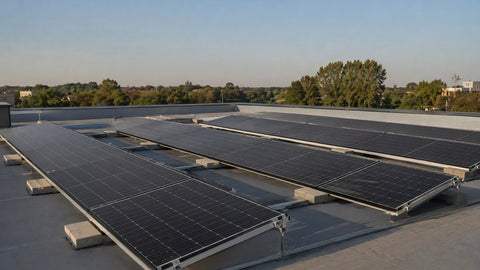
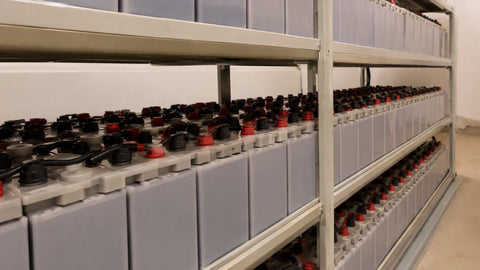
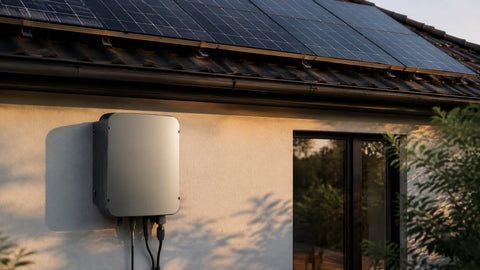
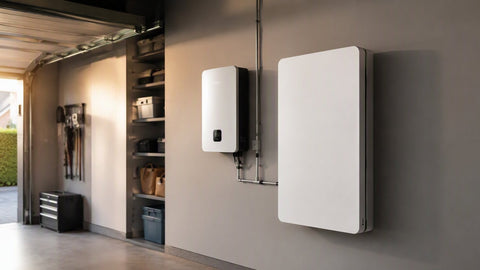
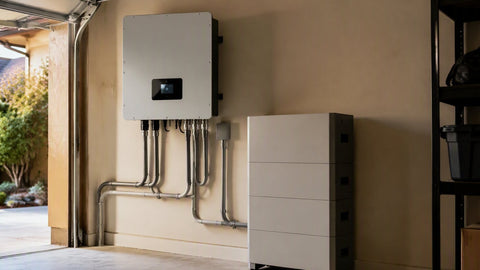
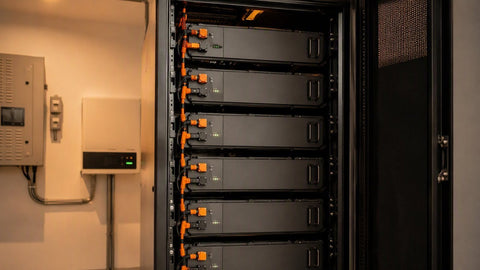
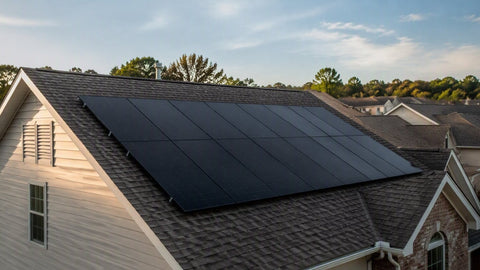
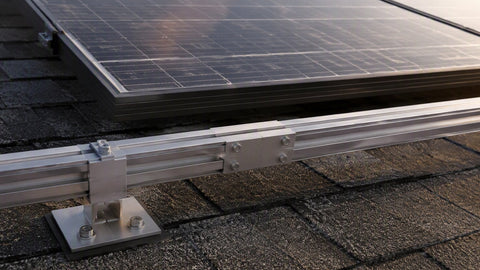
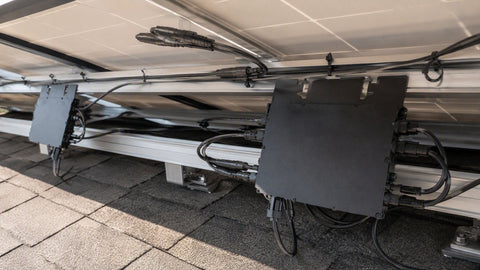
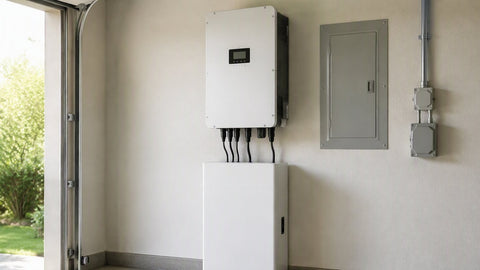
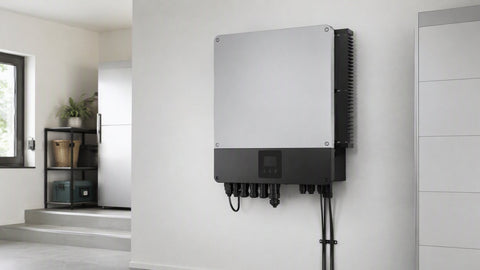
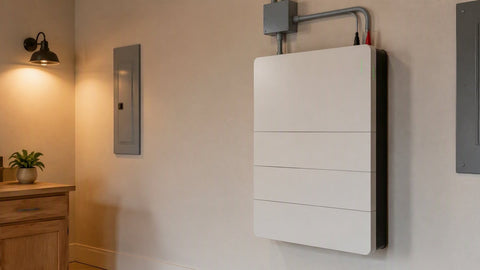
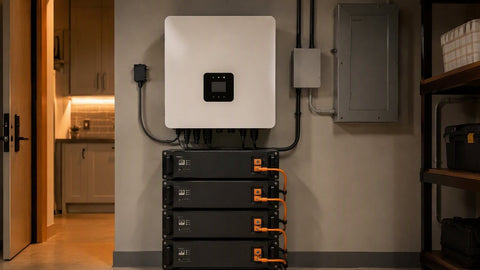
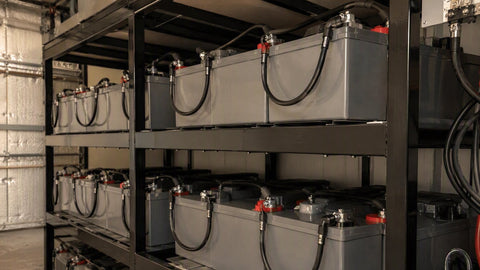
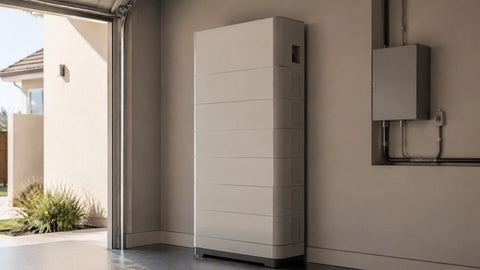
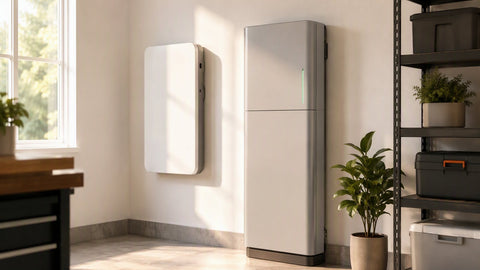
Generac's battery line matters to this brand guide for one strategic reason: it makes Generac the only company that can sell a customer backup power three ways — generator, battery, or hybrid — under one warranty umbrella. PWRcell (9–36 kWh, LFP modules in 3 kWh increments) pairs with solar for self-consumption and rides through short outages; the generator covers the multi-day ice storm the battery can't. The honest field view: PWRcell's sweet spot is the solar-plus-backup customer who values single-brand accountability, and its per-kWh pricing has become competitive as LFP costs fell. Our PWRcell cost guide runs the numbers, and for customers cross-shopping storage-only, the battery and storage catalog (EG4, Fortress, Enphase) keeps the comparison honest. The hybrid pattern I spec most: 10–18 kWh of battery for overnight and short-outage silence, plus a 22 kW Guardian for the long events — each machine doing the job it's best at.
8. Portables: The Contractor's Generacs
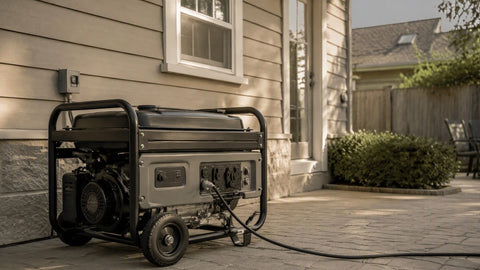
The standby line pays the bills, but the portables earn the loyalty. The GP series and the PM inverter series are what actually live in our customers' trucks: the PM4500 with CO-sense shutoff is the quiet inverter unit for campsites and tailgates, and the PM9400E class covers job-site and storm-duty brute force. CO-sense automatic shutoff is now table stakes — Generac moved early on it, and it's the feature I tell every portable buyer to demand regardless of brand. For heavier contingency coverage, the Champion 22 kW and our broader generator catalog and standby generator collection round out the options, including the 22 kW and 26 kW standby classes.
9. Warranty, Service, and What Five Years Actually Covers
Generac's standard 5-year limited warranty on Guardian units covers parts and labor through the dealer network — competitive with Kohler and Cummins, half of Briggs' 10-year headline. The warranty's fine print that matters in practice: battery and wear items excluded (buy the cold-weather kit in the North; a $60 battery maintainer beats a no-start in an ice storm), exercise and maintenance logs requested on claims (another reason the break-in oil change date belongs on the unit), and labor coverage flowing through authorized dealers — which is where the 7,000-plus network pays off. Extended warranty tiers exist and are worth pricing on any install more than an hour from the nearest dealer.
Contractor Economics: The Install Is the Handshake, the Service Is the Business
A word for the contractors reading this as a brand decision rather than a product decision. Standby generator installation is a two-day job with a twenty-year tail. The margin on the hardware and labor is fine — but the companies building real value in this category are the ones selling the maintenance agreement with the install: two visits a year, oil and filters, battery test, firmware, exercise-log review. Generac's ecosystem supports that model better than anyone's because the installed base is so dense — parts on the shelf, techs who know the G-Force blindfolded, and Mobile Link alerts that tell you the customer's unit failed its exercise before the customer knows. I've watched one-truck shops build six-figure recurring service books on Generac maintenance alone in three storm seasons. The counterargument — Briggs' 10-year warranty shifting risk back to the manufacturer, Kohler's commercial prestige winning certain bids — is real but niche. For a residential-focused electrical or HVAC shop adding standby generation as a line in 2026, Generac remains the lowest-friction entry: dealer onboarding is fast, training is free-ish and good, and the brand recognition means you're selling sizing and service instead of educating on the logo.
10. Buying Generac at PES Supply
We stock the volume line deep: the Guardian 22 kW (7290), Guardian 26 kW (7291), and companion configurations, plus transfer switches, SMMs, cold-weather kits, and pads. The full Generac collection has live stock and contractor pricing — freight is the honest constraint on generators (these ship LTL on a pallet, 500+ lbs), so quote delivery access early: liftgate, dock, or the installer's own trailer. For multi-unit contractor and builder programs, call the desk — volume pricing on Guardian packages moves meaningfully at five units and up.
The Questions I Ask Before Quoting Any Brand
Three questions settle most generator consultations before a single model gets mentioned. First: what must never go dark? If the answer includes medical equipment or a sump pump in flood season, the conversation starts with reliability engineering, not price. Second: what's the fuel reality — natural gas at the meter, an existing LP tank, or a diesel shed out back? Fuel decides more specs than any brochure. Third: who maintains it? A generator without a named maintainer is a very expensive lawn ornament by year three. Answer those honestly and the brand and size usually pick themselves — which, more often than not, is how the orange box keeps ending up on the pad.
Frequently Asked Questions
Is a 22 kW Generac big enough for a whole house?
For most homes up to roughly 3,000 ft² with gas heat and one AC compressor, yes — 19,500W on natural gas covers realistic simultaneous loads, especially with Smart Management Modules handling the big electric appliances. Two-compressor or all-electric homes should step to the 26–28 kW tier.
How much propane does a Generac 22 kW use per hour?
Roughly 2.1 gallons per hour at half load and 3.6 at full load on the current Guardian 22 kW. A 500-gallon LP tank (about 400 usable gallons) runs approximately 8 days at half load — and real outages average well under half load most hours.
What's the difference between the Guardian 26 kW and the new 28 kW?
The 28 kW Next Gen is the new air-cooled flagship on the EFIC engine with hydraulic lifters (no valve adjustments) and the PowerZone 200 controller. The 26 kW (7291) remains the volume workhorse with proven 230 LRA motor starting. Both carry 200A transfer switch packages; the 28 leads on raw output and maintenance simplification.
How long do Generac generators last?
With scheduled maintenance — oil, plugs, battery, annual service — air-cooled Guardians routinely deliver 15–25 years and 1,500–3,000 run hours. The units that die young almost always share a cause: skipped exercise cycles and a dead starting battery discovered during the outage.
Can a Generac run on natural gas and propane?
Yes — Guardian units are dual-fuel from the factory, field-convertible between NG and LP. Output differs by fuel (NG ratings run lower than LP), and the conversion plus gas-line sizing should be done by the installing contractor to code.
Does Generac make solar batteries?
Yes — PWRcell is Generac's LFP home battery line (9–36 kWh), pairing with solar for self-consumption and backup, and integrating with Generac generators for hybrid resilience. It makes Generac the only major brand offering generator, battery, and hybrid backup under one warranty umbrella.
Bottom line: Generac is the default because the default works — the broadest air-cooled lineup, the deepest service network, free monitoring, and the only generator-plus-storage ecosystem in the category. Spec the 22 kW for median homes, 26–28 kW for big electric loads, Protector when the estate or the business needs liquid-cooled duty, and PWRcell when the customer's solar wants a battery that speaks generator. Then size the gas line like the whole house depends on it — because on the worst night of the year, it does.