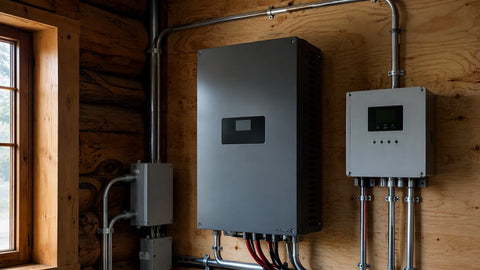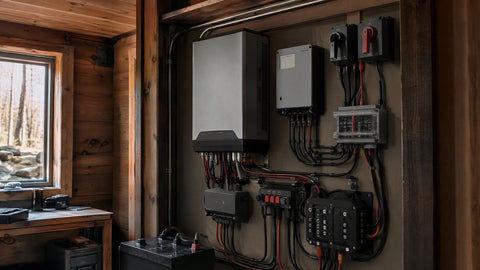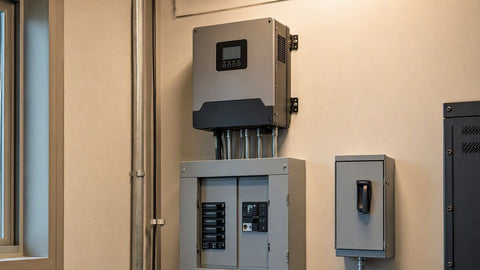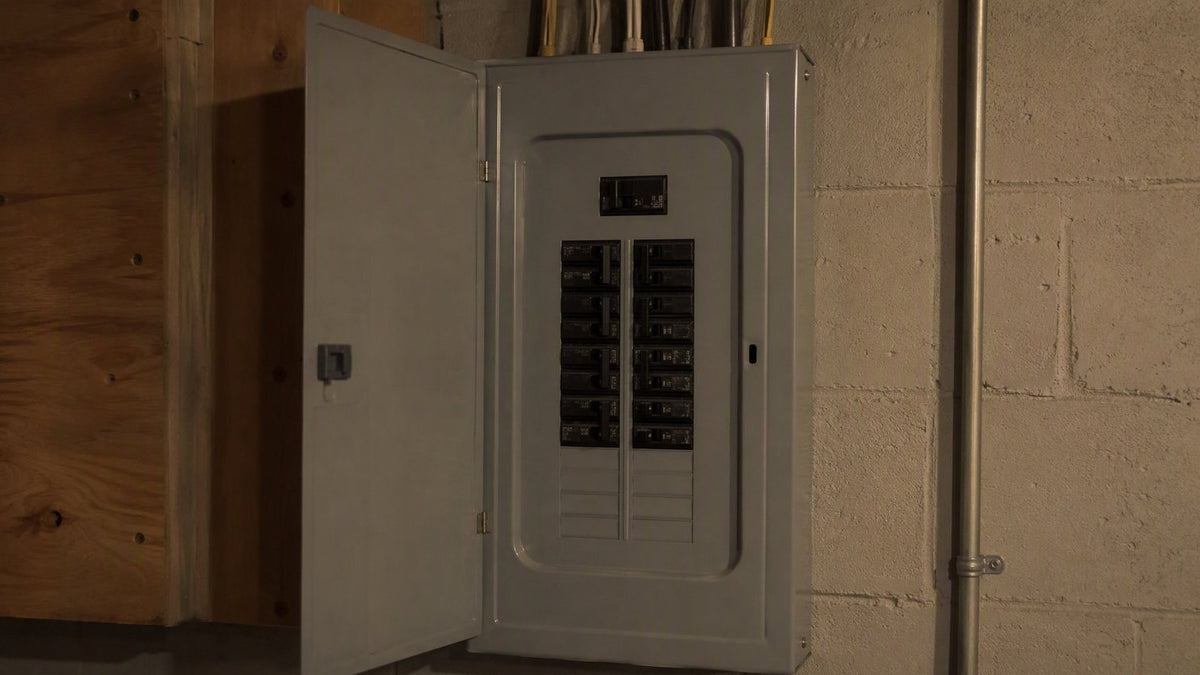
Pull the deadfront off half the panels we service in this region and you are looking at Eaton hardware — a CH loadcenter with copper bus and 3/4-inch breakers that has been quietly doing its job since the Clinton administration. Eaton does not market to homeowners the way the big-box brands do, and that is fine with us: the people who buy on spec sheets already know. This guide is the counter-side briefing on Eaton's electrical distribution and protection lineup — loadcenters, breakers, surge, transfer equipment — with the NEC references and selection math we use when we spec a job.
1. Company Overview
Eaton Corporation is a century-old power management company — founded 1911, operationally headquartered in Beachwood, Ohio — that became one of the two dominant names in North American electrical distribution through the 2012 acquisition of Cooper Industries. That deal brought Bussmann fuses, Crouse-Hinds, and the Cooper Power distribution apparatus lines under the same roof as Eaton's existing Cutler-Hammer heritage. If a journeyman says "Cutler-Hammer," they mean what is now Eaton's residential and commercial breaker line — same 3/4-inch CH footprint, same tan-handled breakers, continuous lineage.
The catalog spans from a $9 single-pole BR breaker to Magnum DS switchgear feeding data centers. For our customers, the relevant slice is: residential loadcenters and breakers (CH and BR), commercial panelboards (Pow-R-Line), molded case circuit breakers (Series C and Series G), surge protective devices, manual and automatic transfer switches, and EV charging hardware. Every one of those categories is stocked in our Eaton collection.
2. Current Product Lines
The first Eaton decision on any residential job is CH versus BR — the two loadcenter families look similar and are not interchangeable. The differences are real and they matter at the counter:
| Attribute | CH (3/4-inch) | BR (1-inch) |
|---|---|---|
| Bus material | Copper | Aluminum |
| Breaker width | 3/4 inch per pole | 1 inch per pole |
| Breaker-handle trip indication | Trips to distinct mid-position with flag | Standard toggle trip |
| Breaker warranty | Lifetime limited (residential) | 10-year limited (typical) |
| Positioning | Pro / premium grade | Residential value grade |
| Typical use | Custom homes, shops, spec jobs | Production housing, budget work |
Our advice has not changed in years: if the panel is going somewhere the owner cares about — a custom build, a shop, a garage the customer will expand — spend the difference on CH. Copper bus does not corrode the way aluminum does in damp basements, the breakers trip to a visible flagged position, and the lifetime breaker warranty is real. For a rental unit or a tract house on a number, BR is a listed, safe, perfectly serviceable panel. What you never do is mix: CH breakers in a BR panel or vice versa violates the listing, and inspectors in our jurisdiction red-tag it on sight.
Above the residential line, Pow-R-Line panelboards and Series C/G molded case breakers cover commercial distribution to 1200A and beyond, with interrupting ratings from 10kA to 100kA. That interrupting-rating question — what fault current can this breaker actually clear — is where we see the most dangerous spec errors, and section 7 walks the math.
3. Recent Releases (2025–2026)
Eaton's recent residential development has tracked the electrification wave: plug-on-neutral loadcenters that slash AFCI/GFCI install time (no pigtails — the breaker clips straight onto the neutral bar), expanded dual-function AFCI/GFCI SKUs covering the 2020/2023 NEC's expanded protection requirements, and smart breakers in the energy-monitoring line that report per-circuit consumption to an app. For contractors still wiring kitchens, the plug-on-neutral CH panels genuinely cut thirty minutes of pigtail work per panel — we have timed it.
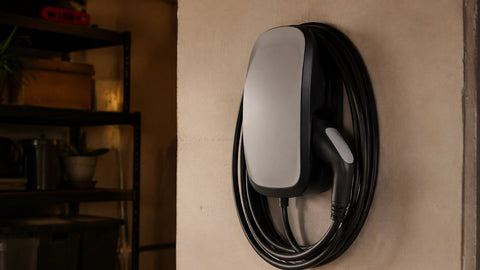
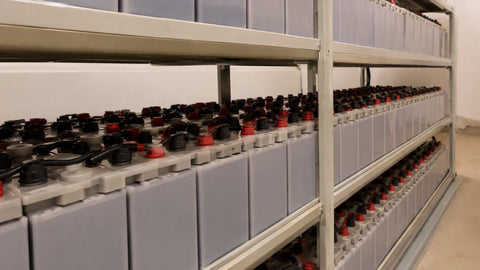
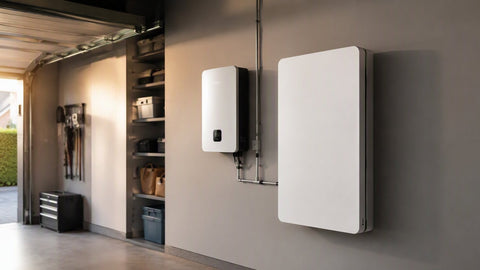
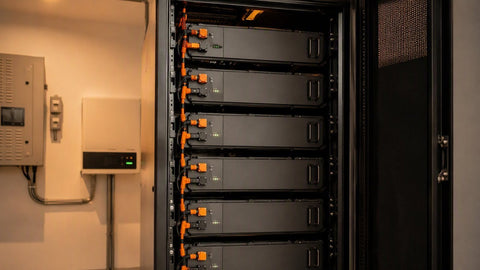
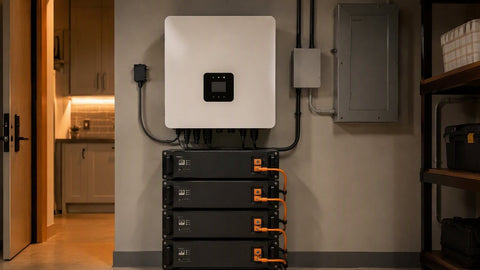
The other active front is bidirectional power: EV chargers with vehicle-to-home readiness, solar-ready meter-main combinations, and transfer equipment designed for generator-plus-storage hybrid homes. Eaton's engineering is clearly aimed at a service panel that manages solar, battery, EV, and generator as one system. The pieces are shipping now; the full integration is rolling out across product cycles.
4. Certifications & Listings
Distribution equipment is a listing-driven business — the UL mark and the interrupting rating on the label are what your inspector and your insurer actually care about:
| Standard | Equipment | What It Guarantees |
|---|---|---|
| UL 67 | Panelboards / loadcenters | Assembly safety, bus bracing, spacing |
| UL 489 | Molded case circuit breakers | Trip calibration, interrupting rating, endurance |
| UL 943 / 1699 | GFCI / AFCI protection | Ground-fault and arc-fault detection performance |
| UL 1449 | Surge protective devices | Voltage protection rating and SCCR for SPDs |
| UL 1008 | Transfer switches | Withstand and closing ratings against available fault current |
| NEC 110.9 / 110.10 | Interrupting ratings / series-rated systems | Equipment must clear available fault current — engineering required |
The field takeaway: a breaker is only legal for the fault current available at its location. Residential services at 120/240V rarely exceed 10kA available, which is why 10kAIC residential breakers are standard — but put that same breaker on a 208V commercial service near the transformer and you may need 22kA or 65kA gear. The utility will tell you available fault current; ask before you order.
5. Breaker Selection: NEC 240.6 and the Real Numbers
Standard overcurrent device ratings come straight from NEC 240.6(A), and matching them to conductor ampacity per NEC 240.4 is the core of every branch-circuit decision. The chart we keep taped inside the shop door:
| Breaker (A) | Copper THHN 75°C (NEC 310.16) | Common Load | Notes |
|---|---|---|---|
| 15 | 14 AWG | General lighting, receptacles | AFCI required in most habitable rooms (NEC 210.12) |
| 20 | 12 AWG | Kitchen/bath/garage receptacles, laundry | GFCI per 210.8; dual-function breakers cover both |
| 30 | 10 AWG | Water heater, dryer (some), RV receptacle | Check nameplate MCA, not habit |
| 40 | 8 AWG | Range, larger water heaters | Aluminum 6 AWG acceptable at 75°C terminations |
| 50 | 6 AWG | Range, EV charger (40A continuous), hot tub | EV loads are continuous — NEC 625 applies the 125% rule |
| 60 | 6 AWG (75°C) | Subpanel feed, larger HVAC | — |
| 100 | 3 AWG Cu / 1 AWG Al (75°C); 4 AWG Cu under 310.12 for services | Subpanel, small service | NEC 310.12 derates dwelling service conductors |
| 200 | 4/0 Cu or 250 kcmil Al under 310.12 (dwelling) | Standard modern service | Most common residential install we stock |
Two rules that prevent callbacks. First, continuous loads (anything running three hours or more — EV chargers, water heaters on recovery, grow lights) get conductors and breakers at 125% of the load per NEC 210.20(A). A 40A EV charger goes on a 50A breaker, period. Second, motor loads follow Article 430, not the nameplate FLA alone — a compressor's minimum circuit ampacity and maximum overcurrent protection are printed on the dataplate, and those numbers win. Our circuit breaker sizing guide and the wire ampacity chart carry the full tables.
6. Surge Protection: The Cheap Insurance Nobody Buys
Every panel we install in 2026 gets a whole-home surge protective device, and the reason is arithmetic: a panel-mounted SPD costs less than the control board in a modern refrigerator, and everything electronic in the house now has a control board. Eaton's CHSPT line mounts in or beside the loadcenter and carries a UL 1449 listing with published voltage protection ratings. The layering that actually works:
| Layer | Device | Clamps | Cost Class |
|---|---|---|---|
| Service entrance | Panel-mounted SPD (CHSPT class) | Utility-side surges, lightning-induced, internal switching surges | Under $200 installed with the panel |
| Point of use | Quality surge strips at electronics | Residual let-through, internally generated surges | $25–60 per location |
| Critical circuits | Surge-protective breakers where available | Branch-level protection for solar inverters, well controls | Modest premium over standard breaker |
The 2020 NEC made SPDs mandatory on dwelling unit service replacements (230.67) — your inspector is already asking. Install one whether or not the job is inspected.
7. Interrupting Ratings & Series-Rated Systems
NEC 110.9 says equipment must have an interrupting rating at least equal to the available fault current; 110.10 says the overcurrent device must clear the fault without extensive damage. In practice: residential — 10kA breakers are fine on almost every 120/240V service. Light commercial on a big pad-mount transformer — get the available fault current from the utility and spec 22kA or 42kA gear. Downtown or close to a substation — 65kA and up, and you are in engineered-series-rating territory, where Eaton publishes tested series combinations of upstream mains and downstream branch breakers.
Series ratings are legitimate and money-saving, but they bind you: the tested combination is specific — this main, these branch breakers, this panelboard. Swap in a different branch breaker five years later and the series rating is void. We label the inside of every series-rated panel with the required combination and keep the engineering letter in the job file.
8. Transfer Equipment & Backup Power
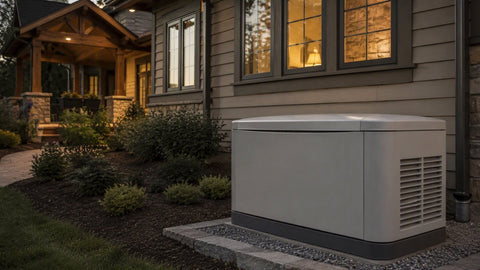
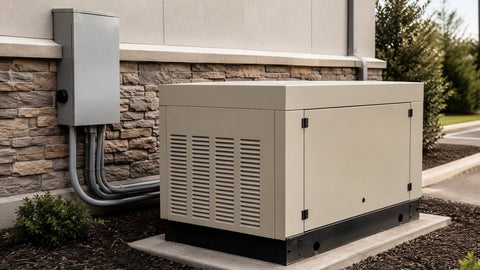
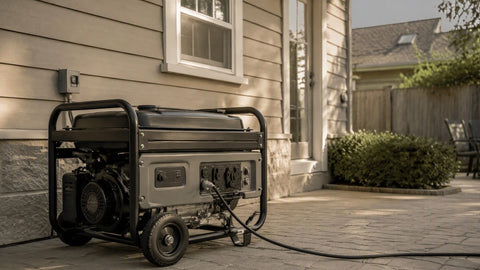
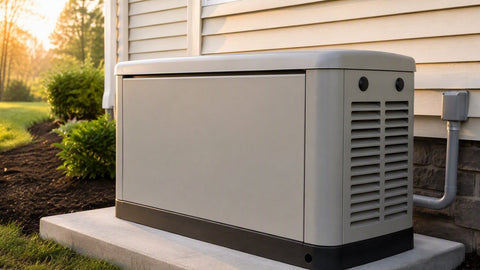
Eaton builds both ends of the transfer decision — UL 1008 automatic transfer switches for standby generators, and manual transfer switches and interlock kits for portable units. The interlock kit deserves an honest word: for a portable generator and a handful of circuits, a listed mechanical interlock plus a power inlet box is a code-legal, safe solution that costs a fraction of an ATS. It is not backfeeding — the interlock makes it physically impossible for main and generator breakers to be on together. For permanently installed standby units, the automatic switch is the answer, and we stock the range in our automatic transfer switches collection, plus manual transfer switches and generator transfer switch kits. The whole-home generator sizing guide pairs the switch decision with generator sizing.
9. Popular Products at PES Supply
- CH plug-on-neutral loadcenters — 100A and 200A main breaker, copper bus, in the Eaton collection.
- CH and BR breakers — standard, AFCI, GFCI, and dual-function, stocked deep in circuit breakers.
- CHSPT whole-home surge devices — panel-mount SPDs we add to every panel job.
- Manual & automatic transfer switches — 30A manual through 400A service-rated automatic.
- Combination meter-mains and mobile-home panels — the service-entrance hardware alongside our service wire inventory.
Planning the service itself? The bus bar guide explains what you are looking at inside the can, and our whole-home wattage walkthrough frames the service-size question. Running the feeders? Match conductor to breaker with the NEC ampacity chart, keep fill legal with the conduit fill chart, and pick raceway with the conduit types guide.
10. Installation Notes from the Field
Torque is the whole game inside a panel. Every lug and breaker terminal has a torque value printed on the label or in the instructions — NEC 110.14(D) makes it enforceable, and loose terminations are how panels burn. We torque every termination with a calibrated driver, mark it with a paint pen, and re-check the main lugs at the one-year service call. Aluminum feeders get antioxidant compound and a wire brush, every time, no exceptions.
GFCI and AFCI nuisance trips after a panel change are almost always shared neutrals or a neutral-ground bond downstream of the device. The 2023 NEC expanded GFCI coverage again — kitchens, garages, outdoors, basements, anywhere with a sink within six feet — and dual-function breakers are the clean way to satisfy 210.8 and 210.12 in one device. When a customer calls about a tripping AFCI, the answer is usually in the wiring, not the breaker; we have replaced exactly two genuinely bad Eaton AFCIs in eight years, and hundreds of shared-neutral circuits. Buy the diagnostic time, not the breaker box full of guesses — a $60 breaker swap that does not fix a $6 wiring defect is the most expensive repair in this trade.
Last: label everything like the next electrician is your enemy. Circuit directories written in pencil that says "plugs" are a service-call surcharge in disguise. We print directories, note AFCI/GFCI locations, and photograph the panel interior before the deadfront goes on. A kWh-to-amps conversion walkthrough in our blog library helps customers understand what their panel is actually carrying.
11. Service Upgrade Math: 100A to 200A
The question we field weekly: does this house need a service upgrade before the EV charger / heat pump / hot tub goes in? NEC 220.83 gives the dwelling load calculation, and here is the honest field version. Existing 100A services with gas heat and gas water heat usually have 30–40A of honest headroom — enough for one Level 2 EV charger with load management, not enough for an EV plus a heat-pump water heater plus a range conversion. The all-electric conversion is what forces the 200A upgrade, and the upgrade is a half-day job for the crew plus the utility's schedule, which is the real lead time. Price the panel, the meter base, the service mast or lateral, and the grounding electrode rework (two rods, eight feet apart, NEC 250.53) as one package — piecemeal service work costs double.
While the service is open, spend the small money: whole-home SPD at the new panel, a generator interlock or inlet provision even if the generator is a someday purchase, and a panel with more spaces than today's count. A 30-space panel is full the day a second EV shows up. We have never had a customer complain about too many breaker spaces.
12. Where Eaton Fits in Solar & Storage Installs
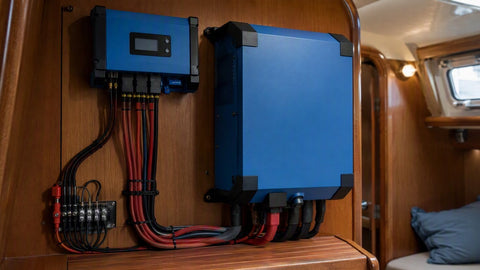
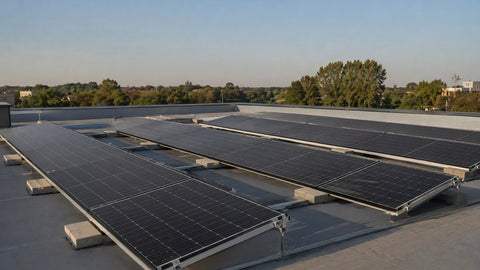
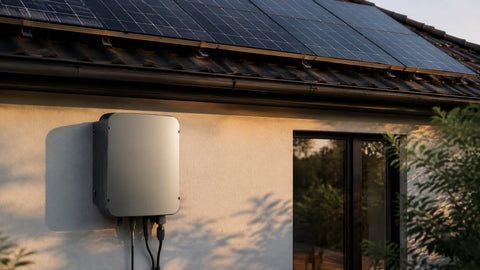
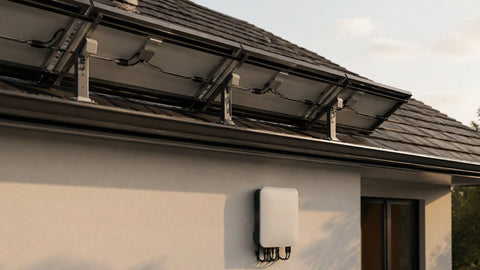
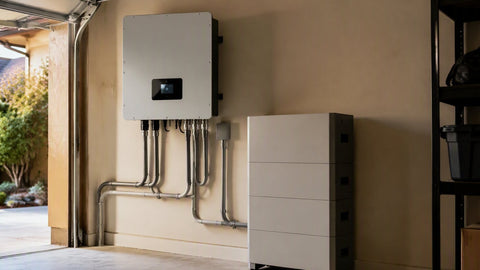
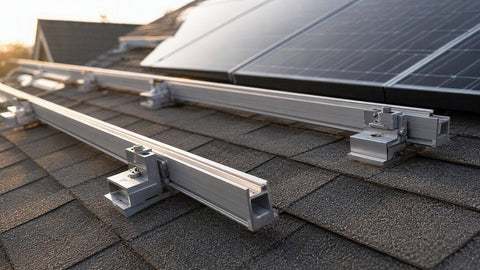
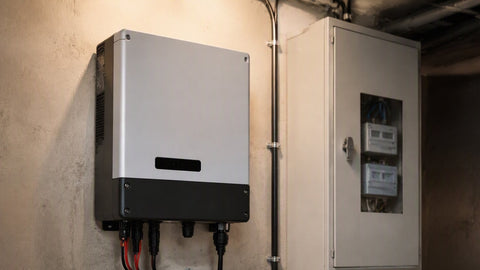
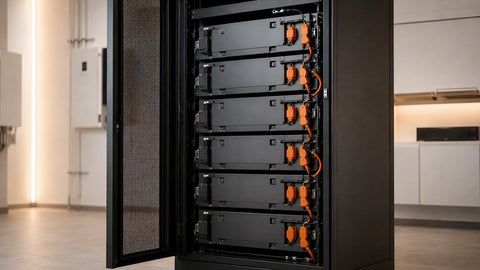
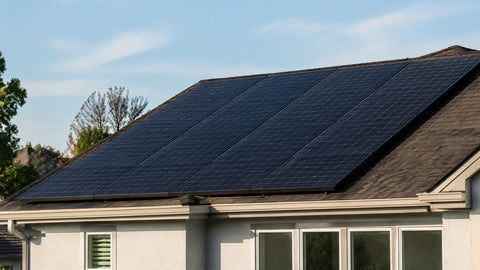
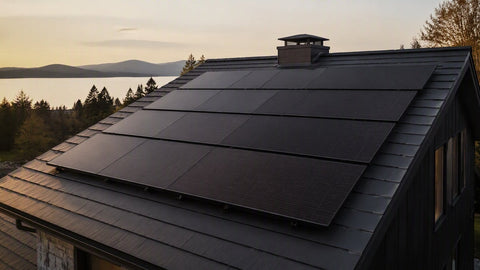
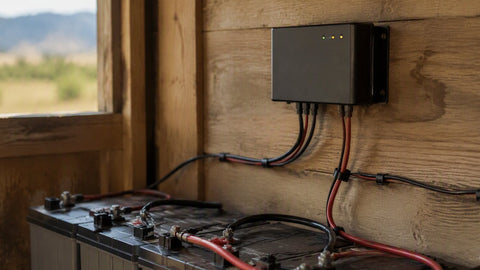
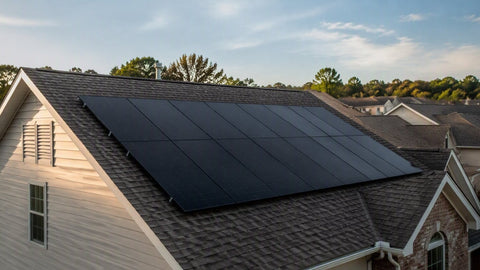
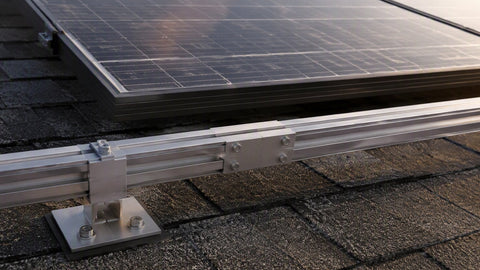
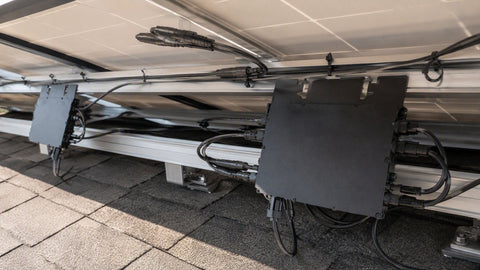
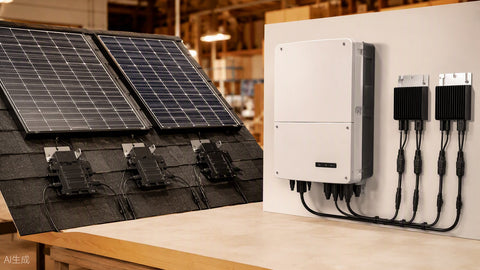
Solar installs land on Eaton hardware constantly, and the code traps are specific. NEC 705.12 governs interconnecting to a loadcenter: the 120% rule on busbar rating limits your backfeed breaker size — a 200A panel with a 200A main allows a 40A solar breaker (200 × 1.2 − 200 = 40), while a 225A-bus panel with a 200A main buys you 70A. That single line of arithmetic decides system size more often than roof area does, and Eaton's 225A-bus CH panels are the cheapest fix for a house that wants a bigger array. Line-side taps dodge the busbar math entirely but add a fused disconnect and an AHJ conversation. Newer Eaton meter-mains with solar-ready provisions and the plug-on-neutral line's clean gutter space make the interconnect measurably faster — our crews prefer them, and preference from the people doing the work is worth something. Pair the array side with gear from our solar inverters and hybrid inverter collections, and check solar system components for the full bill of materials.
13. Grounding, Bonding & the Mistakes We Keep Fixing
Half the "weird" problems in older panels are grounding defects wearing a disguise. The rules are short and absolute: neutral and ground bond exactly once — at the first means of disconnect — and stay separated everywhere downstream, which is why every subpanel gets a four-wire feeder (two hots, neutral, equipment ground) and isolated neutral bars per NEC 250.32. Bootleg grounds, neutrals landed on ground bars in subpanels, and the classic doubled-up neutral under one screw (one conductor per terminal — the listing says so) are the trifecta we correct on every service-call panel we open. None of these defects announce themselves; they wait for a fault, then turn a metal box live. A panel change is also the moment to verify the grounding electrode system actually exists — we have opened services where the ground rod was cut off flush by a landscaper in 2009 and nobody noticed for fifteen years. Five minutes with a clamp meter and a shovel beats a lifetime of luck.
14. Panel Longevity & When to Replace, Not Repair
Customers ask how long a loadcenter should last, and the honest answer is that the bus and enclosure outlast the breakers. Thermal cycling loosens stab connections over decades; a breaker that has tripped hard under fault a dozen times has earned retirement even if it still "works." Our replacement triggers are concrete: visible bus corrosion or pitting at the stabs, breakers that will not hold torque, any panel with a documented safety history (certain legacy brands from the 1960s–1980s with failure-mode litigation — we will not name them here, but your electrician knows the list), and any panel too full for the 2026 load plan. An Eaton CH panel installed today, kept dry, torqued, and protected by a decent SPD, is a forty-year asset. The ten minutes of paint-pen torque marks and a printed directory are what make it one.
15. Frequently Asked Questions
CH or BR — which Eaton panel should I buy? CH for any property you care about long-term: copper bus, lifetime breaker warranty, 3/4-inch breakers with trip flags. BR is a safe, listed value line for budget work. Never mix breakers between the two families.
Are Eaton and Cutler-Hammer the same thing? Yes for practical purposes — Cutler-Hammer is Eaton's heritage brand, and the CH breaker line is the direct continuation. Modern Eaton CH breakers fit legacy Cutler-Hammer CH panels.
What breaker do I need for a 40-amp EV charger? A 50A two-pole breaker on 6 AWG copper. EV charging is a continuous load, so NEC 210.20(A) requires 125% sizing: 40A × 1.25 = 50A. Never run a 40A charger on a 40A breaker.
Do I really need a whole-home surge protector? The 2020 NEC (230.67) requires SPDs on dwelling service replacements, and the economics are one-sided: a sub-$200 device protecting thousands of dollars of control boards. Install one at the panel, keep quality strips at the electronics.
My AFCI breaker keeps tripping — is it defective? Almost never. The usual causes are shared neutrals, neutral-ground contact downstream, or a genuinely arcing device like a worn vacuum motor. Diagnose the circuit before blaming the breaker.
Can I put a 100A subpanel on a 60A feeder? The subpanel's rating is a maximum, not a requirement — a 100A-rated panel fed by a 60A breaker and 60A conductors is fine and common. The feeder breaker protects the wire; the panel rating just has to exceed it.
Sources & Standards
- Eaton published product documentation and series-rating engineering letters (eaton.com)
- NFPA 70, National Electrical Code — Articles 210, 220, 230, 240, 310, 408, 625, 702; Tables 240.6(A), 310.16, 310.12
- UL 67, UL 489, UL 943, UL 1449, UL 1699, UL 1008
- PES Supply panel-shop and field service records, 2019–2026
12. Shop Eaton at PES Supply
We stock Eaton CH and BR loadcenters, breakers in every protection flavor, surge devices, and transfer switches with contractor pricing at the counter. Start in the Eaton collection, grab protection from circuit breakers, and size the whole job with our breaker sizing guide. Spec questions on series ratings or fault current? Call — that is exactly what the counter is for.