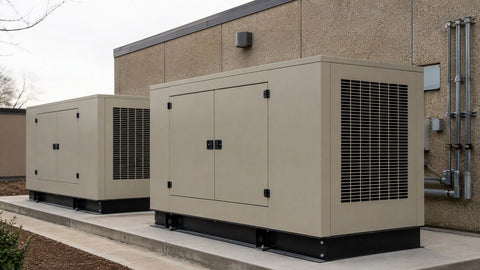
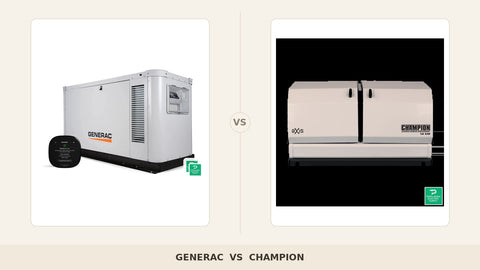
Every January the "best generator brands" lists refresh, and every January they read like affiliate catalogs — five logos, five paragraphs of marketing copy, no grease under anyone's fingernails. Here's the version from a supply house that stocks the parts, fields the warranty calls, and watches which machines come back on a truck and which ones run for fifteen years. Brand matters in this trade for exactly one reason: when your generator fails at 2 AM during an ice storm, what matters is whether a tech in your county can get parts for it. Everything else is spec-sheet decoration.

We've ranked the brands below on the criteria that actually decide outcomes — service network density, parts availability, platform longevity, and warranty honesty — then broken out where each one wins. For model-level sizing help, pair this with our standby generator sizing guide and the backup generator overview.
How We Judge a Generator Brand
After two decades of selling and servicing this equipment, our scorecard has five lines on it:
Service network. How many certified techs work within 50 miles of a typical customer? Generac's network is measured in the thousands; boutique brands are measured in hopes and prayers.
Parts depth. Can we get a control board, a stator, or a voltage regulator in days, not months? Brands that share engines and alternators across a decade of models win here.
Platform longevity. A generator is a 15–20 year asset. Brands that orphan models after three years strand their owners; brands that evolve a stable platform protect them.
Warranty honesty. Not the headline years — the exclusions, the labor coverage, the response time when a claim is filed.
Engineering behavior. Voltage regulation under motor starts, harmonic distortion for sensitive electronics, enclosure corrosion resistance, noise. The stuff you live with, year after year, long after the unboxing glow fades.
| Brand | Service Network (US) | Parts Availability | Standby Warranty (typ.) | Overall Field Grade |
|---|---|---|---|---|
| Generac | Largest — thousands of dealers | Excellent; stocked nationally | 5 yr limited | A — the safe default |
| Kohler / Rehlko | Strong metro coverage | Very good | 5 yr / 2,000 hr | A− — premium hardware |
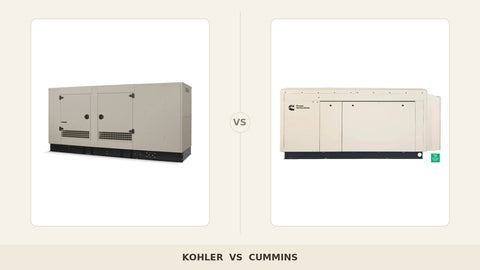
| Cummins | Good; thinner rural | Very good via Cummins network | 5 yr | A− — quiet, commercial DNA |
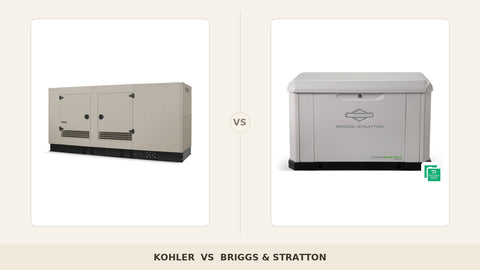
| Briggs & Stratton | Moderate | Good; regional variance | Up to 7 yr | B+ — value leader |
| Champion | Moderate; growing | Good for portables | 3 yr limited (standby) | B — best-value portables |
| Honda (portable) | Excellent for portables | Excellent | 3 yr residential | A — portable gold standard |
| DuroMax | Online-first support | Fair; parts via mail | 3 yr residential | B− — budget portables |
| Westinghouse (licensed) | Online-first support | Fair | 3 yr | B− — big specs per dollar |
The Standby Brands: Permanent, Automatic, Whole-House
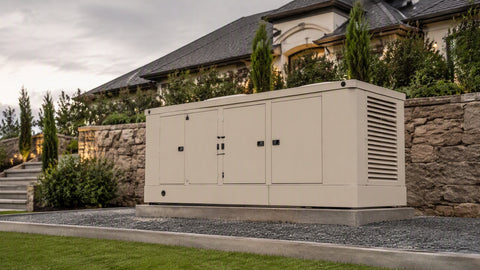
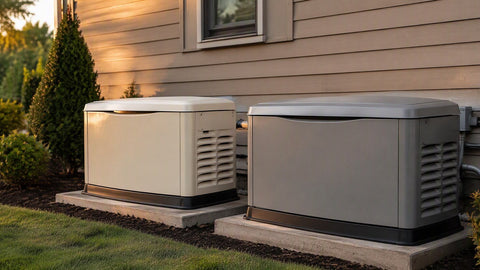
Generac owns this category the way Kleenex owns tissues — something like 75% of the North American residential standby market. That dominance is self-reinforcing: more installs mean more dealers, more stocked parts, more techs who've seen your exact failure mode. The Guardian air-cooled line is competent, well-priced, and boring in the best sense. Where Generac draws criticism: their push toward proprietary ecosystem lock-in (transfer switches, monitoring, load modules), and dealer quality that ranges from superb to "we're really an HVAC company." Read our full Generac contractor brand guide for the platform-by-platform breakdown.
Kohler (now Rehlko) builds the standby units we recommend when a customer reads spec sheets and asks hard questions. Their commercial-grade engines, tighter voltage regulation, and genuinely quiet enclosures justify a 10–20% price premium for buyers who keep a house for decades. The 2023–2024 transition of Kohler Energy into Rehlko confused some buyers; the product line and engineering team carried over intact. Details in the Kohler/Rehlko brand guide.
Cummins brings commercial genset DNA down to the driveway. The QuietConnect air-cooled line is the quietest we've metered in its class, and if your property needs a liquid-cooled 30kW+ unit, Cummins' residential-to-commercial continuity is unmatched — the same distributor that sells your home unit services hospital plants. Confirm local dealer depth before buying rural; that's the one caveat. See the Cummins brand guide.
Briggs & Stratton is the honest value option. Post-restructuring, their PowerProtect standby line undercuts Generac by 15–25% at the register and backs it with the longest standard warranties in the class. The tradeoff is network density — fine in the Midwest and Southeast where the brand is entrenched, spottier out West. The Briggs & Stratton guide maps the current lineup.
The Portable Brands: A Different Scoreboard
Portables are a different market with different winners. Service networks matter less (a portable can be boxed and shipped for repair); engine quality, inverter fidelity, and real-world durability matter more.
Honda remains the reference standard. The EU2200i and EU3200i are the units every other inverter generator is measured against — quiet (48–57 dBA), clean sine wave, and a resale market so strong that used Hondas sell for 70% of new after five years. You pay 40–60% more than the value brands. For a generator you'll own for fifteen years, we've never had a customer regret it.
Champion is the value-engineering success story of the last decade. Their dual-fuel inverter line delivers 80% of the Honda experience at half the price, and their parts support through the Champion dealer and parts network has matured into something we trust. See also our rundown of Champion's portable lineup.
DuroMax and Westinghouse (the latter a licensed brand) fight for the big-watts-per-dollar crown — 10,000+ watt dual-fuel units under $1,500 that no legacy brand touches on price. The compromise is refinement: louder, thirstier, and supported primarily by mail-order parts. For construction crews and occasional backup, they're rational buys. For medical-critical backup, step up a tier. Our DuroMax vs Generac vs Honda comparison prices the tiers honestly.
What the Spec Sheet Won't Tell You
Three engineering details separate good generators from troublesome ones, and none of them appear in marketing copy:
Voltage regulation under inrush. When a 5-ton AC compressor kicks, a well-designed generator holds voltage within a few percent; a marginal one sags 20% and trips its own breakers. This is where commercial-grade alternators (Kohler, Cummins) earn their premium.
Total harmonic distortion. Standby units and quality inverters run under 5% THD, safe for modern electronics and variable-speed HVAC. Cheap open-frame portables run 15–25% THD — fine for saws and pumps, hard on anything with a circuit board. If you're backing up a furnace with an ECM blower or a modern fridge, THD is not a spec to ignore.
Enclosure and corrosion. Coastal and snow-belt installs eat cheap enclosures. Stainless hardware, aluminum enclosures, and proper powder coat are worth money in year eight when the competition's steel box is bubbling.
Fuel Platform and Long-Run Economics
Brand choice interacts with fuel choice more than buyers expect. Air-cooled standby units run on natural gas or propane; liquid-cooled residential and commercial units add diesel. The long-run economics look like this:
| Fuel Platform | Brands Offering It | Fuel Cost per kWh (2026 avg) | Maintenance Burden | Best Fit |
|---|---|---|---|---|
| Natural gas standby | Generac, Kohler, Cummins, Briggs | $0.25–$0.45 | Low | Urban/suburban homes with gas service |
| Propane standby | All standby brands | $0.45–$0.70 | Low | Rural homes; indefinite fuel storage |
| Diesel (liquid-cooled) | Cummins, Kohler, Generac (commercial) | $0.50–$0.80 | Moderate (fuel polishing, cold-weather care) | Large estates, commercial, long outages |
| Gasoline portable | Honda, Champion, DuroMax, Westinghouse | $0.80–$1.30 | High (fuel stabilizer, carb care) | Occasional and recreational use |
| Dual-fuel portable | Champion, DuroMax, Westinghouse | Varies | Moderate | Users wanting propane's storage life |
Run a 22kW standby through a single three-day outage at half load and you've burned $250–$400 of fuel regardless of brand — which is why we tell customers to pick the brand on service and reliability, not on marginal efficiency claims. Over a 20-year life, the difference between a well-maintained premium unit and a neglected value unit is measured in thousands of dollars of downtime and repairs, not in the $900 gap at purchase.
Sizing and Code: The Non-Negotiables
Whichever brand you land on, the electrical fundamentals don't move. Generator feeders are sized from NEC 310.16's 75°C column, breakers come from the NEC 240.6 standard ratings, and transfer equipment must be listed for the purpose under NEC 702. Quick reference for the common air-cooled sizes:
| Standby Size | Output @ 240V | Min. Copper Conductor (75°C) | Standard Breaker | Typical Home Served |
|---|---|---|---|---|
| 10 kW | 42 A | 8 AWG (50 A) | 50 A | Cabin / essentials-only with sub-panel ATS |
| 14 kW | 58 A | 6 AWG (65 A) | 60 A | Small home, gas heat, no central AC |
| 18 kW | 75 A | 4 AWG (85 A) | 80 A | Average home, one AC, managed loads |
| 22 kW | 92 A | 2 AWG (115 A) | 100 A | The volume seller — 2,500 sq ft class |
| 26 kW | 108 A | 1 AWG (130 A) | 110–125 A | Large air-cooled ceiling; two ACs managed |
Our NEC wire sizing and ampacity chart guide has the full tables, and the whole-house generator primer covers transfer-switch configurations in detail. One sentence of counter wisdom: torque every power connection to spec and re-check it after the first heat cycle — loose lugs cause more generator-side failures than bad engines ever will.
Portable Sizing: The Five-Minute Math
Portable sizing trips up more buyers than standby sizing because the numbers are smaller and the marketing is louder. The method is identical, though: list what runs simultaneously, find the biggest motor's starting surge, and buy the next size up with headroom. The trap is trusting "starting watts" claims — some brands quote surge numbers the unit can hold for two seconds, not the ten seconds a real compressor needs.
| Use Case | Running Watts Needed | Surge Watts (motor starts) | Recommended Class | Example Units |
|---|---|---|---|---|
| Camping: lights, fan, phone charging, CPAP | 300–800 W | Minimal | 1–2.2kW inverter | Honda EU2200i, Champion 2000W |
| RV: 13.5k BTU AC + appliances | 1,500–2,800 W | 3,000–3,500 W | 3–4.5kW inverter | Honda EU3200i, Champion 4500 dual-fuel |
| Home essentials: fridge, furnace blower, sump, lights | 2,000–3,500 W | 4,000–6,000 W | 4–7.5kW open frame or large inverter | Generac GP series, DuroMax XP8500 |
| Job site: saws, compressors, multiple tools | 4,000–7,000 W | 8,000–12,000 W | 8–12kW open frame | DuroMax XP12000, Westinghouse WGen9500 |
| Whole-home manual transfer (interlock) | 5,000–7,500 W | 10,000–15,000 W | 10–12kW dual-fuel | DuroMax XP13000HXT class |
Two field rules that save people money. First, buy the inverter generator if anything with a circuit board will ever plug into it — the price gap has narrowed enough that open-frame units only make sense for pure tool loads anymore. Second, size for the surge, not the brochure: a fridge that "runs at 700W" can pull 2,200W for the first second after the compressor kicks, and a generator that's already at 80% load when that happens will stall the compressor, overheat it, and eventually kill both appliances. Leave 25% headroom, always.
The Brands We Approach Carefully
No names in print — but a pattern worth naming. The flood of marketplace-only generator brands (the ones with five-digit wattage claims, 4.9-star review walls, and no published service network) follows a cycle we've watched repeat for years: aggressive pricing, decent first-year reliability, then a cliff when the first wave of control boards and alternators fail and the "warranty" routes you to an email queue. Parts availability eighteen months post-purchase is the tell. Before buying any brand, search the model number plus "replacement carburetor" or "control board" — if nothing exists, you're buying a disposable machine at a durable-goods price. Sometimes that's a rational trade for a tailgate unit. Just make it with open eyes.
A quick word on certifications, since marketplace listings treat them like decoration: for standby installs, look for UL 2200 listing and EPA (and in California, CARB) emissions certification — an uncertified stationary generator is unpermit-able in most jurisdictions, full stop. For portables, CARB compliance determines whether the unit can even be sold into several states, and the spark-arrestor certification matters if you'll ever run on federal land. The legit brands lead with these numbers; the brands that hide them are telling you something.
Ownership Costs Nobody Puts in the Review
Price bands, value, and total cost of ownership
The purchase price is the down payment. A realistic five-year ownership budget for a 22kW standby adds: annual service ($200–$400 professionally, less DIY), one starter battery ($80–$150), cold-weather kit in freeze climates ($150–$300), extended warranty if desired ($500–$1,000), and fuel for exercises — roughly 0.5 therms a week on natural gas, call it $30–$60 a year. Total: $1,500–$3,500 over five years, or about 15–25% of the install cost. Portables are cheaper to own but sneakier: fuel stabilizer discipline, carburetor cleaning every year or two of storage, and oil changes every 50–100 hours. The brands that make ownership cheap are the ones whose parts are stocked at the counter — which loops back to why network density tops our scorecard in the first place.
The Verdict, by Buyer Type
Buy Generac if you want the safest all-around choice with service anywhere in the country. Buy Kohler/Rehlko if build quality and quiet justify a premium and you have dealer support locally. Buy Cummins for the quietest air-cooled experience or any liquid-cooled need. Buy Briggs & Stratton when budget leads and a strong regional dealer stands behind it. For portables: Honda if it's a lifetime tool, Champion if it's a working tool, DuroMax/Westinghouse if watts-per-dollar is the whole brief.
Generator types explained: portable, inverter, standby, and dual-fuel
And whichever logo you pick, buy it from someone who will answer the phone in year nine. We stock the majors across our standby, portable, and inverter generator catalogs, and our techs service what we sell — which is why this list reads the way it does.
Two closing notes from the purchasing desk. Lead times on standby units still stretch in late summer as hurricane season and wildfire season overlap; if you want a unit installed before November, order by July, and confirm the transfer switch is on the same truck — a generator without its ATS is a very expensive lawn ornament. Second, on portables, watch for the seasonal clearance rhythm: last year's inverter models get discounted hard in late winter as new SKUs land, and a "last-gen" Honda or Champion with full warranty is one of the best buys in the category. Sign up for stock alerts on the specific model rather than waiting for the perfect week; the good units don't sit.
One last word on the commercial tier, since buyers cross-shop it: if your need is a business, a farm shop, or a property where an outage has a revenue consequence, skip the residential brands entirely and start with Cummins, Kohler, or Generac's liquid-cooled commercial line. The purchase price doubles, but so does the engineering — 1,800 RPM engines instead of 3,600 RPM, better alternators, longer service intervals — and commercial dealers operate on service contracts with response-time guarantees that residential dealers simply don't offer. Our commercial generator guide and the generators-for-business overview scope that tier properly.
Frequently Asked Questions
What is the most reliable generator brand?
For standby generators, Generac's unmatched service network and parts depth make it the most reliable ownership experience nationally, with Kohler and Cummins matching or exceeding its hardware quality where local dealer support is strong. For portables, Honda's EU series is the long-term reliability benchmark — units routinely run 15+ years with basic maintenance.
Are Generac generators worth the money?
Yes, for most buyers. Generac's premium over value brands buys the largest service network in North America, nationally stocked parts, and a mature platform every generator tech knows. The tradeoffs are proprietary ecosystem lock-in on transfer switches and accessories, and dealer quality that varies by region — vet the installing dealer as carefully as the brand.
How long do standby generators last?
A maintained air-cooled standby generator typically delivers 1,500–3,000 run hours over 15–25 years of service; liquid-cooled units run longer. In practice, lifespan is set by maintenance — annual oil service, battery replacement every 3–4 years, and valve adjustments — far more than by brand. The #1 failure-to-start cause across all brands is a dead $80 starter battery.
Is a cheap portable generator safe for electronics?
Usually not. Conventional open-frame portables produce 15–25% total harmonic distortion, which stresses modern furnaces, refrigerators with inverter compressors, computers, and TVs. Inverter generators (Honda EU, Champion, and similar) produce under 3–5% THD and are safe for anything with a circuit board. Match the generator type to the load, not just the wattage.
What generator brand do contractors prefer?
For portable jobsite power, crews split between Honda for durability and Champion or DuroMax for watts-per-dollar. For standby installs, contractors lean Generac because parts and trained techs exist everywhere, with Kohler and Cummins specified on premium or noise-sensitive jobs. The consistent theme: pros buy the brand their local service network supports, not the one with the best brochure.