Updated September 2026 — refreshed against the live PES catalog; product pricing verified 2026-09-26.
The best backup generator for your home isn't the biggest one or the most expensive one — it's the one that starts every time, covers your real loads, and matches the fuel you can actually get during an emergency. Everything else is brochure noise. After years of sizing, supplying, and supporting home standby systems, we've boiled the decision down to a practical process: audit your loads, choose your fuel, pick your coverage level, and buy from a brand with a service network that answers the phone. This guide walks each step with the real numbers.

We carry Generac, Kohler, Cummins, Briggs & Stratton, Champion, and a deep bench of portables, so we have no dog in the brand fight. What we have is a returns-and-warranty dataset: we see which units come back, which ones start on year eight, and which ones owners recommend to their in-laws. That dataset shapes everything below.
Step One: Decide What "Backup" Means for Your House
Backup coverage comes in three honest tiers, and picking the tier before shopping saves you from both overspending and under-protecting:
Essentials only. Furnace blower or boiler, refrigerator and freezer, a few lights, device charging, medical equipment if applicable, and the sump pump — always the sump pump. This tier runs on 10–14kW standby units or even a well-managed portable, and it keeps a house safe and livable through multi-day outages. Managed whole-house. Everything above plus the water heater, well pump, and major appliances, with smart load management juggling the air conditioner. This is the 18–22kW sweet spot where most American homes land. True whole-house. Everything, simultaneously, no compromises — 24–26kW and up. The right answer depends on your square footage, your HVAC tonnage, and honestly, how you felt during your last long outage.
Step Two: Run the Real Sizing Math
Square-footage charts get you to the right neighborhood; a load audit gets you to the right house. Add up running watts for everything on your backup list, then add the largest motor's starting surge. Here are the numbers we use at the counter, pulled from nameplates and NEC 220-style demand logic rather than optimism:
| Load | Running Watts (typical) | Starting Surge | Notes |
|---|---|---|---|
| Central A/C, 3-ton | 3,500 | 7,000–10,500 (soft start cuts this 60–70%) | The load that sizes most whole-house systems |
| Central A/C, 5-ton | 6,000 | 12,000–17,000 | Soft start nearly mandatory below 26kW |
| Gas furnace blower (1/2–3/4 HP) | 600–1,000 | 1,800–2,400 | Winter outage priority #1 |
| Electric water heater | 4,500 | — | Load-manage or shed it; it eats half a small generator |
| Well pump (1 HP) | 1,000–1,400 | 2,500–4,200 | Rural homes: non-negotiable |
| Sump pump (1/3–1/2 HP) | 800–1,050 | 1,300–2,900 | Only matters during storms — exactly when the grid fails |
| Refrigerator + freezer | 700–1,200 combined | 2,200 | Cycles; cheap insurance for $400 of groceries |
| Electric range / dryer | 3,000–5,000 each | — | Manage by behavior or load module |
| Lights, outlets, electronics, WiFi | 1,000–2,000 | — | LED retrofits shrink this line every year |
Sum your tier's loads, add 20–25% headroom, and that's your minimum kW. Our generator sizing guide works through complete examples, the 2026 sizing update handles modern heat pumps and EV chargers, and the watts-to-power-a-home breakdown is the fastest way to sanity-check your list against reality.
1. List your loads
Write down every circuit you want powered during an outage, with running watts from each appliance nameplate. Group them: must-have (furnace, fridge, sump pump, medical), should-have (water heater, well pump, some outlets), and nice-to-have (range, dryer, hot tub).
2. Add starting surges
For each motor load, multiply running watts by 2–3 for starting surge unless a soft starter is fitted. Identify the single largest surge — usually central air — and make sure the generator covers it on top of everything already running.
3. Choose your fuel
Natural gas if you have it (unlimited runtime), propane if you don't (on-site independence), gasoline dual-fuel portable only for short-duration budgets. The fuel decision determines runtime, installation cost, and outage endurance more than any other choice.
4. Match kW class with headroom
Add 20–25% headroom to your calculated total and round up to the next standard size: 10/14/18/20/22/24/26kW. When between sizes, go up — partial-load fuel penalties are modest, undersizing regrets are not.
5. Plan the transfer equipment
Whole-house systems need a service-entrance automatic transfer switch (200A for most homes); essentials-only systems can use a 100A ATS or interlocked manual transfer switch with a portable. Never backfeed through a dryer outlet — it kills line workers and voids insurance.
Step Three: Choose the Fuel That Matches Your Reality
| Fuel | Runtime | Consumption (22kW class, 50% load) | Best For | Watch Out |
|---|---|---|---|---|
| Natural gas | Unlimited (while gas grid lives) | ~180–220 ft³/hr | Suburban/urban homes with existing service | Meter capacity; older services may need an upgrade for 20kW+ |
| Propane (LP) | ~6–8 days on 500-gal tank at half load | ~2.0–2.5 gal/hr | Rural properties; fuel independence | Tank sizing and vaporization rate in deep cold; bigger tanks pull vapor better |
| Gasoline (dual-fuel portables) | 8–12 hrs per tank | ~0.7–1.0 gal/hr on a 12kW unit | Budget backup, short outages, job sites | Fuel storage/rotation, daily refueling, no unattended operation |
| Diesel (commercial class) | Days on tank size | varies by unit | Farms, businesses, prime power | Cold-gel management; overkill for most homes |
Fuel is destiny. A customer with natural gas service and a 22kW standby unit owns effectively infinite backup. A rural customer with a 250-gallon propane tank owns about three days at half load — fine for most storms, tight for a 2007-style ice event. We push rural buyers toward 500-gallon tanks for exactly that reason; the 22kW deep-dive includes the tank-sizing math in both directions.
The 2026 Brand Rankings, Honestly

| Brand | Standout Model | Strengths | Weaknesses |
|---|---|---|---|
| Generac | Guardian 26kW w/ 200A SE ATS | Deepest dealer network, best parts availability, Mobile Link monitoring standard | Market-share leader pricing; verify your local dealer's service load |
| Kohler | 20RESCL 20kW | Commercial-grade engines, excellent enclosure build, 5-yr/2,000-hr warranty | Thinner residential dealer map in some regions |
| Cummins | QuietConnect RS20A | Quietest operation (~65 dB), legendary engine lineage | Premium pricing; smaller residential lineup |
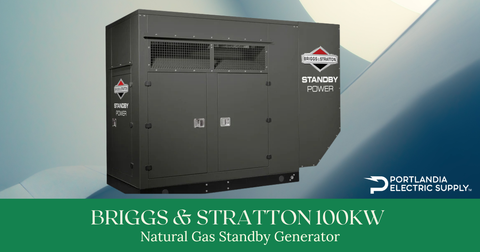
| Briggs & Stratton | PowerProtect 22kW | 6-yr warranty, strong value, good cold-weather kits | Fewer monitoring frills out of the box |
| Champion | 22kW aXis | 10-yr limited warranty, aggressive price, full feature set | Newest to home standby; service network still maturing |
For portables and inverter units, Honda still owns the reliability crown at a price, while DuroMax, Westinghouse, Firman, and Pulsar fight it out in the value tier with genuinely good dual-fuel options. If noise matters — and at 2 a.m. in a dark neighborhood, it does — the inverter generator class runs 52–62 dB and sips fuel at partial load. See our home backup overview companions and the 26kW guide if you're at the large end.
Installation and Total Cost: The Whole Bill
| Package | Equipment Cost | Installed Range (2026) | Covers |
|---|---|---|---|
| 12–13kW dual-fuel portable + 10- circuit manual transfer switch | $1,500–2,300 | $2,800–4,200 | Essentials, attended operation |
| 14kW standby + 100A ATS | $3,800–4,500 | $8,500–11,500 | Essentials-plus, automatic |
| 22kW standby + 200A SE ATS | $5,500–6,500 | $11,000–15,000 | Managed whole-house, automatic |
| 26kW standby + 200A SE ATS | $6,200–7,200 | $12,500–16,500 | True whole-house including large A/C |
The spread inside each range is site work: gas-line runs, panel upgrades, pad placement, and permits. Annual maintenance adds $200–400. Over a 15-year service life, a 22kW standby system costs roughly $0.06–0.09 per kWh-equivalent of outage coverage — nobody buys a generator for economics, but the number reframes it as an insurance premium rather than a splurge. Homes with medical equipment, home businesses, or freeze-vulnerable plumbing often find the math embarrassingly favorable.
Where Generators Meet Solar and Batteries
The fastest-growing answer in our catalog isn't generator-or-solar — it's both. A hybrid inverter with a LiFePO4 battery bank covers the 90% of outages that last minutes-to-hours silently, while a modest generator handles the multi-day tail. The generator runs less, lasts longer, and sips fuel only when it matters. If you already own solar, adding storage plus a generator input often costs less than upsizing to a giant standby unit, and it works every sunny day, not just during disasters. The battery sizing calculator and our runtime calculator size the storage side; this guide handles the combustion side.
The Bottom Line
Best generator for most homes in 2026: a 22kW air-cooled standby unit from Generac, Kohler, or Cummins, on natural gas where available, behind a 200A service-entrance ATS, maintained annually. Best value: Champion's 22kW with its 10-year warranty. Best budget answer: a 12kW-class dual-fuel portable with a professionally installed manual transfer switch. Best future-proof answer: hybrid solar-plus-storage with generator backup. All four beat the most common real-world configuration, which is no plan at all — and the gap between "some plan" and "no plan" is measured in frozen pipes, flooded basements, and hotel receipts. Browse the standby lineup and home backup collection, or call with your load list. I've sized a few hundred of these; the load list makes the phone call short, and the right answer usually reveals itself inside ten minutes.
The Transfer Switch Decision: Where Good Installs Are Made

Homeowners shop generators; professionals shop transfer switches. The ATS is the brain of a standby system — it watches utility power, starts the generator, transfers load, manages shedding if the generator is smaller than the house, and reverses cleanly when the grid returns. Get the ATS decision wrong and the best generator in the world can't save the install.
Three configurations cover nearly every home. A service-entrance ATS (200A for most houses) sits between meter and main panel and runs everything, with load-management modules shedding the range or water heater when the generator approaches its limit. This is the cleanest whole-house answer and the one we recommend by default. A 100A sub-panel ATS feeds a curated list of essential circuits — cheaper, and entirely sensible for essentials-only coverage; browse the 100–125A class. A manual transfer switch or interlock pairs with portables — you flip it yourself when the power fails, which is honest work at a third of the price; the manual transfer switch shelf has the usual 6-, 10-, and 12-circuit options, and transfer switch kits bundle the inlet box and cord. What none of these permits is the suicide cord. If anyone suggests backfeeding through a dryer outlet, end the conversation. It's illegal, it kills line workers, and your insurer will use it against you.
Noise, Placement, and the Neighbor Problem
Air-cooled standby units run 63–71 dB at 23 feet — between conversation and vacuum cleaner. Place one thoughtfully and nobody cares; place one under a bedroom window and you've made an enemy. Manufacturer minimums typically require 18 inches from the structure and 5 feet from operable openings, and local codes add their own rules. Corner lots and zero-lot-line developments narrow the options fast — this is where the Cummins QuietConnect's ~65 dB rating earns its premium, and where sound-attenuating fencing pays for itself in goodwill.
Portables live by stricter physics: they run outdoors, at least 20 feet from the house, exhaust pointed away, never in a garage even with the door open. Carbon monoxide doesn't negotiate. Modern units with CO-shutdown sensors add a safety layer, but distance is the real control. I've answered enough post-storm calls to have zero flexibility left on this point.
The 15-Year Cost of Ownership Nobody Puts on the Price Tag
A standby generator is a 15–20-year appliance, and the purchase price is roughly half the story. Annual maintenance — oil, filters, plugs, battery every 3–4 years, firmware — runs $200–400 whether a tech does it or you DIY the basics. Propane and natural gas fuel costs during actual outages are modest: a week-long ice event at half load might burn $150–250 of propane, less than one hotel stay. Battery replacement is the most-skipped item and the most common no-start cause; put it on a calendar reminder, not a memory.
The other ownership cost is exercise. Modern units self-test weekly — twelve minutes of running that keeps oil distributed, seals conditioned, and the starting battery honest. Leave town for a season and the unit still exercises itself; that weekly rumble is the sound of a warranty staying valid. Most manufacturers require documented annual service to honor claims, so keep a maintenance folder with receipts. In fifteen years of claims conversations, the folder has mattered more than once.
Five Mistakes That Turn a Good Generator Into a Bad Experience
1. Sizing by square footage alone. A 2,000 sq ft house with gas heat and a small A/C needs half the generator of the same house with electric heat and a 5-ton compressor. Nameplates, not floor plans.
2. Ignoring the gas meter. A 22kW unit at full load can demand 300+ ft³/hr of natural gas. Plenty of older residential meters top out below that. The gas utility will tell you in one phone call; make it before you buy, not after the unit is bolted to the pad.
3. Buying the box-store special with no service plan. A standby generator without a local tech who services that brand is a liability. Check the service network before the price tag — it's why Generac's dealer depth keeps winning rankings, and why we ask every customer who's within 50 miles of them and can fix their chosen brand.
4. Skipping the cold-weather kit in cold country. Battery warmer and oil warmer: cheap parts, huge no-start prevention. If your winters see single digits, they're not optional.
5. Never testing under load. The weekly self-test proves the engine starts. An annual load test — actually transferring the house — proves the system works. Do it on a mild Saturday, find the weak circuit or the mislabeled breaker, and fix it while the grid is up.
When a Generator Is the Wrong Answer
Honesty section, because we sell these every single day and we'd rather lose a sale today than create a regret that lasts fifteen years or more on a concrete pad. If your outages are rare and short — under a few hours, once or twice a year — a $12,000 standby system is insurance against a risk you don't have; a portable or a modest battery bank covers it. If you're on a tight urban lot with no compliant placement, no gas service, and HOA constraints, the generator path may be blocked and a UPS-class battery system or hybrid solar-plus-storage build may be the practical answer. And if the real problem is that your fridge contents and your sump pump are the only loads that matter, a 6–10kW portable with a transfer switch solves it for under $4,000 installed. Match the tool to the risk. The best backup system is the one proportionate to the outages you actually get.
Permits, Inspections, and the Real Install Timeline
Plan on two to six weeks from signed contract to commissioned system, and here's where the time goes. Site assessment and load audit take an afternoon. Equipment lead time runs from in-stock to two weeks depending on model. The permit package — electrical, plus gas plumbing where applicable — takes days to weeks depending on your jurisdiction's calendar. The install itself is one to three days: pad set, unit placed, gas and electric rough-in, ATS wired, startup and commissioning. Then inspection, then the utility notification where required, then your first load test. None of it is hard; all of it has queues. The installers worth hiring are booked two to six weeks out in normal times and two to three months out after a regional storm — which is precisely when everyone calls. Buy in the calm. Commission in the calm. The first time your transfer switch should ever carry your house is on a sunny afternoon when you chose to flip it.
Frequently Asked Questions
Six questions we answer at the counter every single week, with the numbers we use when a real house, a real budget, and a real outage history are on the line.
What size backup generator do I need for my home?
Essentials-only coverage (furnace, refrigerator, sump pump, lights, outlets) typically needs 10–14kW. Managed whole-house coverage with air conditioning runs 18–22kW, and true whole-house coverage including large central A/C needs 24–26kW or more. Add up your actual appliance running watts, include motor starting surges (central A/C can demand 7,000–17,000W at startup without a soft starter), then add 20–25% headroom.
Is a standby generator worth the cost compared to a portable?
For homes that experience multi-day outages, have medical equipment, sump pumps, or occupants who can't manage manual setup — yes. A standby unit starts automatically within seconds whether you're home or not, runs on natural gas or propane indefinitely, and protects the house continuously. A portable costs a quarter as much but requires you to be home, awake, and willing to refuel in a storm. Many households split the difference: a quality portable with a professionally installed manual transfer switch.
Natural gas or propane: which is better for a home standby generator?
Natural gas wins where service exists: unlimited runtime, no refueling, lower fuel cost. Verify your meter's capacity for a 20kW-plus unit. Propane wins for rural homes without gas service and for owners who want fuel independence — a 500-gallon tank runs a 22kW unit at half load for roughly 6–8 days. Nearly all standby units convert between the two fuels with a field adjustment.
How much does a whole-house generator cost installed?
In 2026, a 22kW standby generator with a 200A automatic transfer switch typically installs for $11,000–15,000 including equipment, pad, gas plumbing, electrical work, and permits. Essentials-only 14kW systems run $8,500–11,500; large 26kW systems run $12,500–16,500. A portable-plus-transfer-switch solution installs for $2,800–4,200. Annual maintenance adds $200–400.
Can I install a backup generator myself?
Portable generators: yes, operated outdoors with proper cords — but the transfer switch or interlock connecting one to your panel requires an electrician and usually a permit. Standby systems: no. They involve gas plumbing, service-entrance electrical work, permits, and inspections, and DIY installation typically voids the warranty. The transfer equipment is the non-negotiable part either way: never backfeed a house through a dryer outlet.
Should I get a generator or a battery backup system?
Increasingly, both. Batteries cover short outages — the majority of real events — instantly and silently, and recharge from solar or the grid. Generators cover multi-day events that exhaust any practical battery bank. A hybrid inverter coordinates both automatically. If choosing only one: batteries for urban homes with rare short outages, a generator for rural homes, medical needs, sump pumps, or storm-prone regions with multi-day outage history.
Need pricing or availability on anything in this guide?
Portlandia Electric Supply dropships direct from the manufacturer — most items Ship Direct with lead times stated up front, no surprises.
Get a quote from PESBulk, pallet and contractor pricing available.