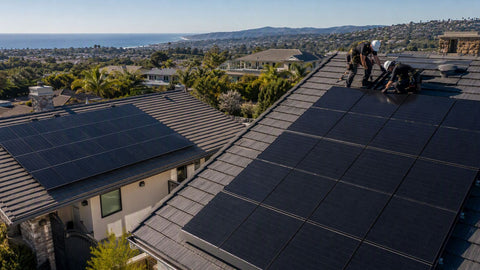
I have commissioned enough off-grid systems to know that the romantic vision of energy independence and the reality of battery management at 2 AM in February are two different experiences. A 10 kW rooftop off-grid solar system is not a weekend DIY project or a plug-and-play appliance. It is a power plant you own, operate, and troubleshoot — one that demands correct sizing, disciplined load management, and respect for the physics of lithium-ion chemistry. This guide covers what a 10 kW off-grid system actually delivers, how to size the battery and inverter for real loads, the NEC requirements that still apply even without a utility connection, and the installation practices that separate working systems from expensive rooftop sculptures.

Portlandia Electric Supply designs and supplies solar panels, string inverters, battery banks, and mounting systems for off-grid residential and commercial projects. The guidance below comes from submittal reviews and field commissioning, not marketing.
What a 10 kW Off-Grid System Actually Produces
Ten kilowatts DC of solar capacity is a meaningful number, but its daily energy yield depends on location, orientation, shading, and season. In the continental United States, a 10 kW array produces:
| Location / Solar Resource | Peak Sun Hours (Annual Avg) | Daily Production (kWh) | December Production (kWh) | July Production (kWh) |
|---|---|---|---|---|
| Phoenix, AZ (excellent) | 5.7 | 45–55 | 32–38 | 58–65 |
| Los Angeles, CA (very good) | 5.4 | 42–50 | 30–36 | 55–62 |
| Denver, CO (very good) | 5.3 | 40–48 | 28–34 | 54–60 |
| Miami, FL (good) | 4.8 | 38–45 | 30–35 | 45–52 |
| New York, NY (moderate) | 4.0 | 32–38 | 18–24 | 42–48 |
| Seattle, WA (fair) | 3.5 | 28–34 | 14–18 | 38–44 |
The December column is what matters for off-grid sizing. A system that works in July will fail in December if the battery bank and array are not sized for the worst month. I have seen off-grid cabins in upstate New York with 10 kW arrays and 20 kWh batteries that run the generator daily from November through February because the designer used annual average production instead of December minimums. That is a $40,000 system with a diesel addiction. Size for the worst month, not the average.
System Architecture: String Inverter + Battery Bank
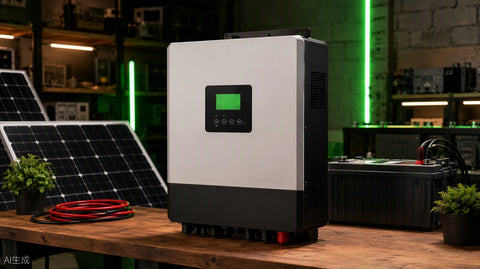
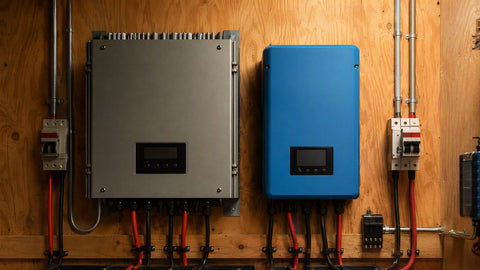
The classic 10 kW off-grid configuration uses a string inverter (often a hybrid model with battery charging capability) and a DC-coupled or AC-coupled battery bank. The components:
| Component | Specification | Function | NEC Reference |
|---|---|---|---|
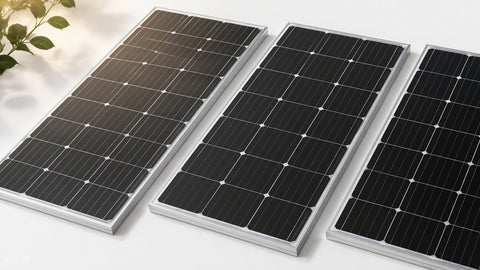
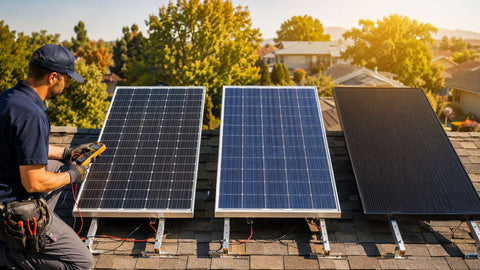
| Solar array | 10 kW DC, 25–28 modules at 370–400 W | Generate DC power from sunlight | Article 690 |
| String inverter / hybrid inverter | 8–10 kW AC output, 2–4 MPPT inputs, 500–600 V max DC | Convert DC to AC; manage battery charge/discharge | Article 690, 705 |
| Battery bank | 40–60 kWh usable (LFP preferred) | Store excess solar for night and cloudy periods | Article 706 |
| Charge controller (if DC-coupled) | 80–150 A at 48V or 400V | Regulate charging voltage and current to battery | Article 690 |
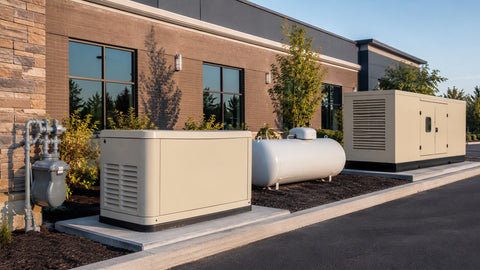
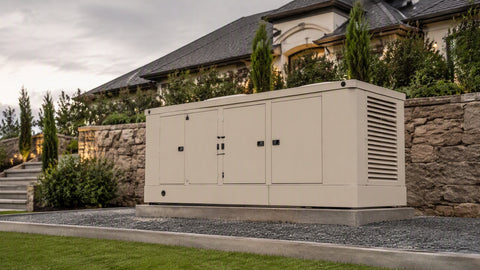
| Backup generator | 12–20 kW propane or diesel | Charge batteries during extended low-sun periods | Article 445, 702 |
| Main DC disconnect | Rated for array Isc × 1.25 (NEC 690.8) | Isolate array for maintenance | 690.15 |
| Battery disconnect | Rated for battery max current | Isolate battery bank for service | 706.10 |
| AC distribution panel | 200A with appropriate breaker spaces | Distribute AC power to household loads | Article 408 |
The choice between DC-coupled and AC-coupled battery integration matters for efficiency and flexibility. DC-coupled (solar DC charges battery directly through a charge controller, then inverter converts battery DC to AC) is 5–10% more efficient because it avoids one conversion stage. AC-coupled (solar DC → inverter AC → battery inverter AC → battery DC) allows mixing and matching components from different manufacturers and simplifies retrofitting storage onto an existing grid-tied system. For new off-grid builds, I specify DC-coupled whenever possible. For retrofits, AC-coupled wins.
String Inverter Selection for Off-Grid Applications
Not all string inverters work off-grid. The unit must be capable of forming its own AC microgrid — generating a stable voltage and frequency reference without utility synchronization. This capability is variously called "off-grid mode," "island mode," or "stand-alone operation."
| Inverter Model | Rated Power | DC Voltage Range | Battery Voltage | Off-Grid Capability | Typical Price |
|---|---|---|---|---|---|
| Sol-Ark 15K-2P | 15 kW | 200–500 V | 48V | Native; 120/240V split-phase | $7,500–$8,500 |
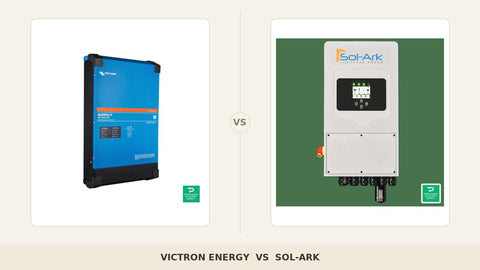
| Victron MultiPlus-II | 5 kW (stackable to 15+ kW) | 200–450 V (with MPPT) | 48V | Native; scalable modular | $1,800–$2,200 per 5 kW unit |
| SMA Sunny Island 6048 | 6 kW (stackable to 36 kW) | 200–480 V (with SMA MPPT) | 48V | Native; proven off-grid | $4,500–$5,500 per unit |
| Schneider Electric Conext XW+ | 6.8 kW (stackable) | 200–600 V | 24V or 48V | Native; 120/240V | $4,000–$5,000 per unit |
| EG4 18kPV | 18 kW | 200–550 V | 48V | Native; high PV input current | $5,500–$6,500 |
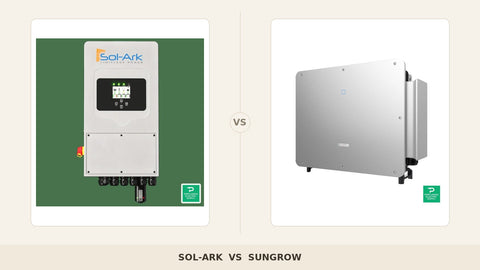
The Sol-Ark has become our default for 10 kW off-grid residential jobs because it handles 120/240V split-phase natively (critical for standard North American appliances), accepts 500V DC string input (reducing combiner box complexity), and includes a built-in transfer switch for generator input. The Victron system is unbeatable for modular scalability and remote monitoring, but requires more design effort to achieve split-phase output. For budget-conscious installs, the EG4 18kPV offers remarkable capacity per dollar, though its firmware matures with each revision.
Our string inverter guide covers grid-tied applications in depth; for hybrid and off-grid models, see our hybrid inverter guide and EG4 brand guide.
Battery Bank Sizing: The Math of Autonomy
Battery sizing is where off-grid design lives or dies. The battery must carry the home through the longest expected period without meaningful solar production — typically 2–3 consecutive cloudy days in most climates. The calculation:
Required battery capacity (kWh) = Daily load (kWh) × Autonomy days ÷ Depth of discharge limit ÷ Round-trip efficiency
Worked example for a 2,500 sq ft off-grid home:
- Daily load: 25 kWh (conservative for efficient appliances, LED lighting, mini-split HVAC)
- Autonomy target: 2.5 days (72 hours of no solar)
- Depth of discharge (LFP): 90% (conservative; some designers use 80%)
- Round-trip efficiency (inverter + battery): 88%
- Required: 25 × 2.5 ÷ 0.90 ÷ 0.88 = 78.9 kWh nominal battery capacity
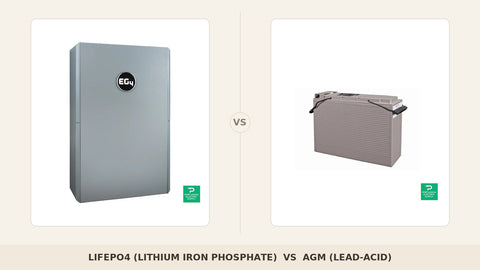
That is larger than most homeowners expect. A 10 kW array with a 20 kWh battery is a grid-tied system pretending to be off-grid. Real off-grid autonomy for a modern home demands 60–100 kWh of lithium-iron-phosphate storage — typically 3–5 server-rack battery units at 48V 100Ah (5.1 kWh each) or 2–3 large wall-mounted units. The capital cost is significant: $15,000–$30,000 for the battery bank alone. But it is non-negotiable. I have replaced too many undersized lead-acid banks that sulfated after 18 months because the owner sized for one day and got three cloudy ones.
For battery chemistry comparisons and maintenance protocols, see our battery maintenance guide and off-grid battery sizing guide.
NEC Requirements for Off-Grid Solar Systems

Absence of a utility connection does not exempt an off-grid system from the National Electrical Code. The relevant articles:
| NEC Article | Requirement | Off-Grid Specifics |
|---|---|---|
| 690.4(B) (Installation) | PV systems must be installed by qualified persons | Off-grid systems require higher competency; no utility to catch errors |
| 690.7 (Voltage temperature correction) | Module Voc corrected for lowest expected temperature | Cold-climate off-grid sites see wider temperature swings; 690.7 math is critical |
| 690.8 (Circuit sizing) | Conductors and OCPD at 156% of Isc | Longer DC runs to remote battery sheds increase voltage drop; upsize conductors |
| 690.12 (Rapid shutdown) | Array voltage ≤30V within 1 ft of array or controlled boundary | Off-grid systems still require RSD for firefighter safety; module-level shutdown or inverter-integrated |
| 690.31 (Wiring methods) | PV wire, USE-2, or THHN in conduit | Buried conduit between array and battery shed requires proper depth and warning tape |
| 690.41 (System grounding) | Grounding electrode system required | Off-grid homes need dedicated ground rod at inverter/battery shed; do not rely on structural steel alone |
| 706.10 (Battery disconnect) | Disconnecting means within sight of battery or lockable | Large LFP banks in enclosures require external disconnect for fire department access |
| 706.15 (Current limitation) | Overcurrent protection for battery circuits | Fuse or breaker sized to battery max discharge current; critical for lithium protection |
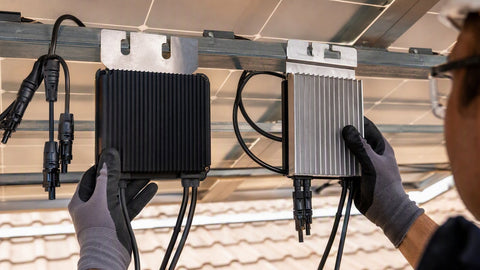
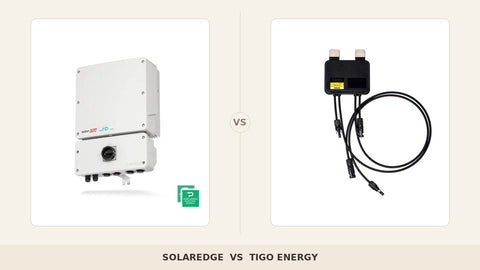
The rapid-shutdown requirement surprises some off-grid designers. Yes, even without a grid connection, firefighters responding to a structure fire need to de-energize the roof. Module-level rapid-shutdown devices (Tigo TS4-A-O, SolarEdge optimizers) or inverter-integrated rapid-shutdown transmitters satisfy 690.12. Skipping this is a code violation and a liability exposure.
For detailed coverage of solar wiring, conduit fill, and disconnect requirements, see our solar wire and cable guide and NEC 690 disconnect guide.
Load Management: The Discipline of Off-Grid Living
Energy Management
An off-grid system teaches energy awareness. Every load is a decision. The inverter display becomes a household dashboard, and family conversations shift to "can we run the dryer today or should we wait for tomorrow's sun?" Effective load management separates successful off-grid homes from generator-dependent ones.
- Thermal loads first: Use solar thermal or propane for water heating and space heating. Electric resistance heat — baseboards, electric water heaters, standard dryers — is a battery killer. A 4,500 W water heater running 3 hours consumes 13.5 kWh — more than half a typical off-grid battery bank. We specify propane on-demand water heaters and mini-split heat pumps (COP 3.0–4.0) for off-grid homes.
- Time-shift discretionary loads: Run the washing machine, dishwasher, and power tools during peak sun hours (10 AM–2 PM) when the array directly powers them without drawing from battery. Program the inverter's auxiliary relay to enable the water heater only when battery state of charge exceeds 90%.
- Efficiency is capacity: Every watt saved is a watt the battery does not need to store. LED lighting, efficient appliances, and insulation upgrades reduce battery size requirements directly. A $2,000 appliance upgrade can save $5,000 in battery capacity.
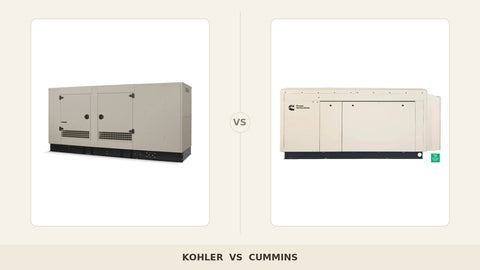
- Generator as insurance, not primary: Size the generator to charge the battery at C/5 to C/10 rate (10–20% of battery Ah capacity) and run it only when battery SOC drops below 30%. A 15 kW propane generator running 4 hours can add 40–50 kWh to a depleted bank — enough to bridge a week of clouds. But if the generator runs daily, the system is undersized.
Installation Best Practices From the Field
- Battery enclosure: LFP batteries are thermally stable but not immune to temperature extremes. Install in a conditioned space or insulated enclosure with ventilation. Operating below 0°C reduces charge acceptance; below −10°C can damage cells. Above 45°C accelerates degradation. We specify battery rooms with minisplit climate control for serious off-grid installations.
- Conduit and wiring: DC circuits between array and battery shed can run 100+ feet at 400–500 V. Size conductors for 1% voltage drop, not 3%. At 500 V, 1% drop on a 150-foot run with 10 kW array current (20 A) requires 10 AWG minimum; we typically use 8 AWG for margin. Buried conduit requires 18-inch minimum depth (24 inches under driveways) per NEC 300.5, with red warning tape 12 inches above the conduit.
- Grounding and lightning:
- Grounding and lightning: Off-grid sites are often rural and exposed. Install a ground ring around the array and bond to the battery shed ground electrode. Surge protection devices (SPDs) on both DC and AC sides are mandatory — lightning strikes destroy unprotected inverters. Our SPD sizing guide covers selection and placement.
- Commissioning documentation: Record every string's open-circuit voltage, short-circuit current, operating voltage under load, and battery bank voltage at full charge. Set baseline performance metrics in the inverter monitoring software. Off-grid systems have no utility bill to benchmark against — commissioning data is your only reference for future troubleshooting.
- Torque and termination: Battery terminals carry hundreds of amps. A loose connection generates heat, arcs, and potentially fire. Torque all battery terminals to manufacturer spec (typically 80–120 in-lb for M8 terminals) and check quarterly. Use calibrated torque wrenches, not guesswork. I found a 2-volt drop across a loose battery terminal on a commissioning call last year — the connection was hot enough to melt the insulation. Five minutes with a torque wrench prevented a catastrophe.
Cost Breakdown: What a 10 kW Off-Grid System Actually Costs
| Component | Quantity | Unit Cost | Subtotal |
|---|---|---|---|
| 400 W monocrystalline solar modules | 25 | $180–$220 | $4,500–$5,500 |
| String/hybrid inverter (10 kW class) | 1 | $5,500–$8,500 | $5,500–$8,500 |
| LFP battery bank (60 kWh usable) | 12 × 5.1 kWh racks | $1,800–$2,200 | $21,600–$26,400 |
| Roof mounting ( Ironridge XR10 or equivalent) | 1 system | $1,500–$2,500 | $1,500–$2,500 |
| DC combiner, disconnect, SPD | 1 each | $800–$1,200 | $800–$1,200 |
| Conduit, wire, fittings | 1 lot | $1,000–$1,500 | $1,000–$1,500 |
| Backup generator (15 kW propane) | 1 | $4,000–$6,000 | $4,000–$6,000 |
| Labor (installation, commissioning) | 1 | $5,000–$8,000 | $5,000–$8,000 |
| Total system cost | $43,900–$59,600 | ||
This is before incentives. The 30% Federal Investment Tax Credit applies to off-grid solar and battery storage if the system is installed at a primary or secondary residence. For a $50,000 system, the ITC returns $15,000, reducing net cost to $35,000. Some states add rebates or property tax exemptions. Our team tracks current incentive programs; check incentives in your state or contact us for a current summary.
Frequently Asked Questions
Can a 10 kW off-grid system power a modern home?
Yes, with correct load management and battery sizing. A 10 kW array produces 30–50 kWh daily depending on location and season. Paired with 60–80 kWh of battery storage and a 15 kW backup generator for extended cloudy periods, it comfortably powers an efficient 2,000–2,500 sq ft home with propane for thermal loads.
How long do off-grid batteries last?
Lithium iron phosphate (LFP) batteries rated for 6,000+ cycles at 80% depth of discharge typically last 15–20 years in off-grid service. Calendar life is often the limiting factor, not cycle count. Proper temperature management (15°C–30°C) and conservative depth of discharge (≤90%) maximize lifespan. Our battery maintenance guide covers care protocols.
Do I still need a generator with a 10 kW solar system?
Yes, unless you live in a climate with minimal seasonal variation and oversized the array and battery significantly. Even in sunny Arizona, a week of monsoon clouds in August will deplete a reasonably sized battery bank. The generator is insurance against meteorological reality — not a design failure.
What happens if the inverter fails?
The inverter is the single point of failure in most off-grid systems. Carry a spare if your location is remote. Some designers install dual inverters in a master-slave configuration for redundancy. Budget for a replacement every 10–15 years; inverter technology improves significantly over that horizon, so the replacement is often an upgrade.
Can I expand my off-grid system later?
Array expansion is usually straightforward if the inverter has unused MPPT inputs or capacity headroom. Battery expansion depends on the inverter/charge controller's maximum charge current and whether the existing bank can accept parallel strings of identical age and chemistry. Mixing old and new lithium batteries is not recommended due to cell imbalance. Plan battery capacity for 10-year need, not today's load.
Is off-grid solar cheaper than grid power?
Over 25 years, off-grid solar at $35,000–$45,000 net cost is competitive with grid electricity in areas with high rates (>$0.20/kWh) or high connection fees ($10,000+ for rural line extension). But the upfront capital is significant, and the homeowner assumes maintenance responsibility. It is an energy independence decision as much as an economic one.
What maintenance does an off-grid system require?
Quarterly: inspect array for soiling and damage, check battery terminal torque, verify inverter error logs. Annually: clean modules, test generator auto-start and load capacity, verify grounding continuity, update inverter firmware. Every 3–5 years: replace generator battery, test surge protectors. Annually professional inspection recommended.
Do off-grid solar systems require permits?
Yes. Off-grid systems require electrical permits and inspections under NEC Article 690. Some jurisdictions also require building permits for roof penetrations and structural load verification. The absence of a utility interconnection agreement does not eliminate permitting. Our solar permitting guide covers the process.
The Bottom Line for Off-Grid Homeowners
A 10 kW off-grid solar system is achievable, practical, and economically viable for the right homeowner in the right location. It is not a workaround for cheap electricity or a rebellion against the utility company. It is a power system that demands engineering discipline, load management maturity, and maintenance commitment. Size the array for December, the battery for three cloudy days, the inverter for surge capacity, and the generator for the worst week of the year. Do that, and the system works. Cut corners, and you will spend more time with your generator than your solar panels.
Portlandia Electric Supply supplies complete off-grid kits including solar panels, hybrid inverters, LFP battery banks, and mounting systems. Our team reviews one-line diagrams and load calculations before shipping. For wholesale pricing and design support, open a Pro Account or join the PowerLink Network. Ready to cut the cord? Contact us and we will size your system for the worst month, not the best.