Battery Backup vs Generator 2026: Which Backup Power Wins
Ten-year cost math, fuel logistics, NEC transfer rules, and the honest answer about which one keeps your house alive — from a supplier that sells both.
Here's the conversation we have every time a storm knocks out half the state: a customer calls, wants "backup power," and hasn't decided between a standby generator and a battery system. We sell both — pallets of standby generators on one side of the warehouse, racks of battery backup kits on the other — so we're one of the few voices in this industry with no reason to tilt the answer. The truth is they solve different problems. A battery is a power-quality and short-outage machine. A generator is an endurance machine. Buy the wrong one and you'll own an expensive object that fails exactly when you need it.
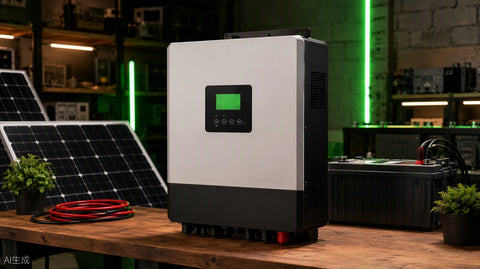
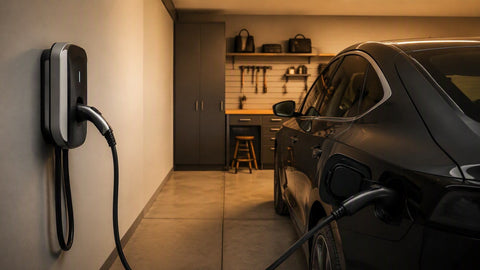
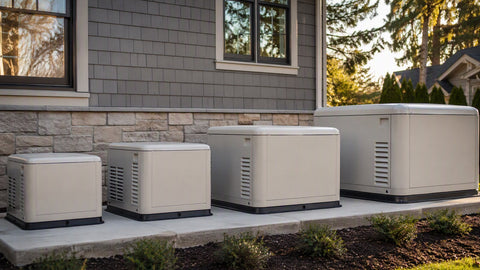
Let's define terms. A home battery system (think 10–40 kWh of LiFePO4 or NMC storage with a hybrid inverter) stores grid or solar energy and discharges it instantly — sub-20-millisecond transfer, silent, no exhaust. A standby generator (10–26 kW air-cooled, natural gas or propane) makes electricity on demand from fuel, starting automatically in about 10 seconds. Both can back up a whole house. They just do it on completely different clocks and completely different budgets.
We've installed and serviced both for years, and the failures we see are almost always mismatched expectations: batteries bought for week-long ice storms, generators bought by people who just wanted the fridge and the CPAP through a four-hour outage. So this guide does the math — real fuel consumption, real discharge rates, real installed prices — and ends with a decision framework you can apply in five minutes.
| Factor | Battery Backup (13.5–40 kWh) | Standby Generator (14–26 kW) |
|---|---|---|
| Continuous power output | 5–11.5 kW per unit (stackable) | 14–26 kW |
| Energy / endurance | 13.5–40 kWh, then empty until recharge | Unlimited with fuel (200+ hrs on a 500-gal propane tank) |
| Transfer time | <20 ms — computers never notice | ~10 seconds — lights blink, UPS needed for sensitive loads |
| Noise at 7 m | Silent (<30 dB inverter hum) | 63–67 dB — a loud conversation, 24/7 during outages |
| Maintenance | Essentially none; firmware updates | Oil/filter every 100–200 run-hours, annual service, weekly self-test |
| Fuel dependency | None — but needs solar or grid to recharge | NG utility or propane delivery — both fail in disasters sometimes |
| Installed cost (typical) | $11,000–$16,000 per 13.5 kWh unit installed | $9,000–$14,000 for 22 kW installed with ATS |
| 30% federal tax credit | Yes (standalone storage qualifies) | No |
| Lifespan | 10–15 yr warranty, ~4,000–6,000 cycles (LiFePO4) | 10–20 yr mechanical life with service; ~3,000 run-hours air-cooled |
| Works with solar | Natively — it's the same DC ecosystem | Only via the grid-forming transfer logic; no charging benefit |
Notice the credit line — that 30% federal credit on storage changes the real price math more than any other single factor, and generators don't qualify. A $14,000 battery install nets to $9,800 after the credit; a $12,000 generator install stays $12,000. Keep that in mind as we run the outage scenarios.
Battery runtime is simple arithmetic: usable kWh ÷ average load = hours. A typical American home idles at 400–700W overnight but spikes to 4–8kW with central AC cycling. Whole-home backup without load management is fantasy on a single battery; with a managed loads panel it becomes reasonable. Here are honest numbers for a 13.5 kWh unit at 90% depth of discharge (≈12.2 kWh usable) versus a 22kW generator on propane:
| Load Scenario | Avg. Draw | Battery Runtime (12.2 kWh usable) | Generator Runtime (250-gal propane tank, ~200 gal usable) |
|---|---|---|---|
| Essentials only: fridge, lights, Wi-Fi, furnace blower, CPAP | 0.6 kW | ≈ 20 hours | 0.9 gal/hr @ ~2kW → ≈ 220 hours (9+ days) |
| Essentials + well pump + microwave | 1.2 kW | ≈ 10 hours | 1.3 gal/hr → ≈ 150 hours |
| Whole home, managed (no central AC) | 2.0 kW | ≈ 6 hours | 1.8 gal/hr → ≈ 110 hours |
| Whole home with 4-ton AC cycling | 4.5 kW avg | ≈ 2.7 hours — don't do this on one battery | 2.6 gal/hr → ≈ 75 hours |
| Natural gas version (same unit) | — | — | ~150–250 ft³/hr — unlimited while gas utility flows |
Two conclusions jump out. First, the generator wins every endurance contest — it's not close. Second, the battery's weakness only matters in long outages. Utility data says the median American outage is under 2 hours, and 90%+ of outages end within 8. A battery covers those silently, instantly, and with zero fuel logistics. The generator is insurance against the 5% of outages that run days — and against the ice-storm scenario where you're heating the house with electricity for a week.
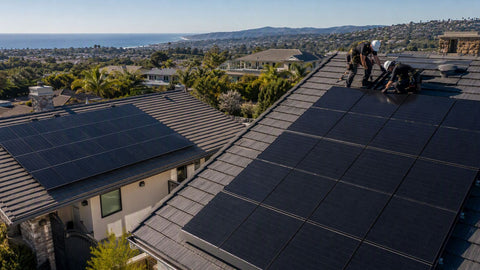
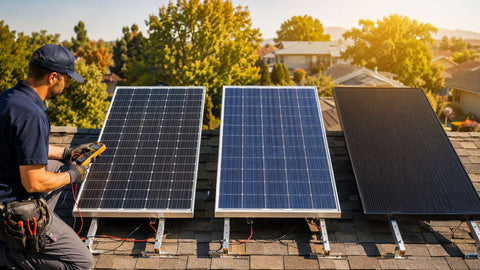
Now the detail that changes everything for solar owners: a battery recharges every sunny day. Pair 13.5 kWh of storage with an 8kW array and a multi-day outage turns into a daily rationing exercise instead of a countdown — 20–30 kWh of harvest per decent day refills the tank. A generator never improves its fuel position. If you already have solar or plan to, browse our hybrid storage systems and the battery storage collection; the battery backup runtime calculator will run your exact load list, and our home battery bank sizing guide sizes the bank. The 13.5 kWh class units and 10 kWh/15 kWh modular banks are the building blocks.
Sticker price lies. Here's the 10-year picture for a typical install, assuming 25 outage-hours/year average usage, one 3-day outage every 3 years, and standard service intervals:
| Cost Line (10 Years) | Battery: 13.5 kWh LiFePO4 | Generator: 22 kW NG/Propane |
|---|---|---|
| Equipment + install | $14,000 | $12,000 |
| 30% federal credit | −$4,200 | $0 |
| Maintenance/service | ≈ $300 (inspection) | ≈ $3,500 ($350/yr service + oil kits) |
| Fuel (test cycles + outages) | $0 (solar/grid charging ~$200 of grid energy) | ≈ $1,800 (weekly 12-min tests + outage burn) |
| Expected repairs (yrs 6–10) | ≈ $0–$800 (covered mostly by warranty) | ≈ $1,200 (battery, starter, controller board) |
| 10-year total | ≈ $10,300–$11,300 | ≈ $18,500 |
Surprised? Most people are. The generator's purchase advantage evaporates into weekly self-test fuel burn, oil changes, and the inevitable year-7 controller board. The battery costs less over a decade and delivers better power quality every single day — many hybrid systems shave demand charges and time-of-use peaks daily, which a generator never does. What the generator buys instead is unlimited endurance and the ability to run a 5-ton AC in August. Different product.
Here's the line item that settles the argument for solar owners: a battery works 365 days a year; a generator works only when the grid fails. On time-of-use rates, a hybrid battery system charges when power is cheap (or free from your array) and discharges through the evening peak. Run the arithmetic on a West-Coast-style TOU plan with a $0.28/kWh peak-to-off-peak spread: cycling 10 kWh across the peak daily saves about $2.80/day — over $1,000 a year. Demand-charge commercial customers do even better. Ten years of that is roughly the entire net cost of the battery. The generator's meter, meanwhile, runs the other direction: weekly exercise burns fuel to protect you from an event that hasn't happened yet.
| Value Stream (Annual) | Battery + Solar Hybrid | Standby Generator |
|---|---|---|
| Outage protection value | Covered — instant, silent | Covered — after 10-second start |
| TOU peak shaving (10 kWh/day @ $0.28 spread) | ≈ $1,000/yr | $0 |
| Solar self-consumption uplift (vs export at wholesale) | ≈ $300–$600/yr typical | $0 |
| Fuel burned on weekly self-tests | $0 | ≈ −$150 to −$250/yr |
| Annual service cost | ≈ −$30 | ≈ −$350 |
| Net annual position | ≈ +$1,200 | ≈ −$500 |
We put this table in front of every undecided customer, because it reframes the purchase: the battery isn't an outage appliance with a premium price — it's a daily-use energy asset that also happens to be the best short-outage protection money can buy. The generator is pure insurance. Both are legitimate purchases; only one pays you back monthly. If your utility plan has a big peak spread, the storage sizing math gets even more interesting, and the EG4 vs Powerwall comparison prices the two dominant battery architectures.
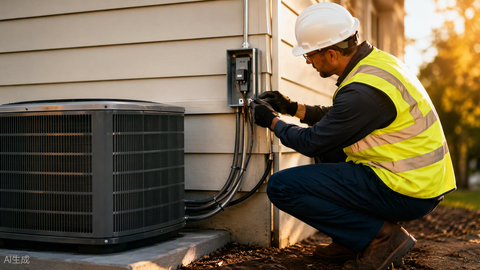
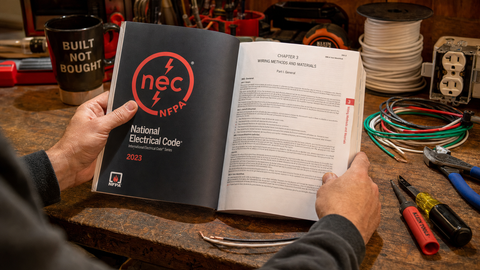
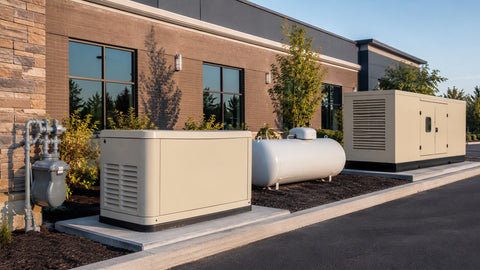
Both systems touch your service equipment, and both are inspected. Generators require a transfer means — either an automatic transfer switch or an interlock — per NEC 702, plus a gas line upsize that surprises everyone: a 22kW unit at full load pulls ~300+ ft³/hr of natural gas, which often means a new 1¼″ line and a meter upgrade from the utility. Propane installs need a regulator sized for the full BTU load, and the tank must sit per NFPA 58 clearances. Our transfer switch kits and generator accessories cover the electrical side; for unit sizing start with our whole-home generator sizing guide and the sizing deep-dive. The 14–17kW and 20–28kW standby collections bracket most homes.
Batteries have their own code chapter — NEC 706 for energy storage, plus UL 9540 listing requirements and local fire-marshal rules about garage bollards and clearances. The good news: no fuel plumbing, no exhaust, no noise variance from the HOA. The bad news: service-panel capacity. A whole-home battery wants a 200A panel and often a loads-management device; on a 100A service you're backing up a subpanel of chosen circuits, which honestly is the smarter design for most houses anyway. Wire and OCPD sizing for either system follows NEC 310.16 and 240 — our NEC wire sizing guide for solar and generator installs has the ampacity tables, and breakers and wire are in stock. Check your utility's interconnection rules early for either system — battery export settings and generator paralleling both need sign-off in most territories.
Five questions settle it. 1) How long are your outages? Mostly hours → battery. Days, regularly → generator. 2) Do you have or want solar? Yes → battery, and it earns its keep daily on rate arbitrage. 3) Must you run central AC or medical loads for days? AC for days → generator (or two batteries + load management). 4) Is natural gas available at the property? Yes → generator gets dramatically easier; propane logistics are the #1 generator regret we hear. 5) HOA/noise/urban lot? Battery.
And the answer more customers land on every year: both, small. A 10–15 kWh battery for the 95% of outages under a day, plus a compact 10–14kW generator (small standby class or a quality inverter generator) as the endurance backstop that can even recharge the battery through the hybrid inverter's AC input. That's the setup we run at our own facility — silent for every short outage, unlimited for the long ones, and the generator runs maybe 20 hours a year instead of 200. Whatever direction you go, run your load list through the battery sizing calculator first, and get a quote with both options priced side by side — we'll put real numbers on your actual house.
Two ownership realities that never make the brochure. First, insurance: most homeowner policies treat a permanently installed standby generator as part of the dwelling with no drama, but some carriers now ask about battery systems specifically — UL 9540-listed equipment with a permitted, inspected install gets a yes; unlisted import batteries in a garage get a harder conversation. Keep the permit, the inspection sign-off, and the UL listing documents with your house file. Second, fire behavior: a generator stores its hazard as fuel and exhaust — manageable, understood, code-covered. A lithium battery stores its hazard as energy; UL 9540A-tested LiFePO4 systems have an excellent thermal-runaway record, but placement rules (garage bollards, clearances from openings, exterior-wall preferences) exist for a reason, and your inspector will enforce them. Neither technology is "the risky one" — they just file their risk in different drawers, and your AHJ has a checklist for each.
And one generator-specific discipline we preach after every storm season: fuel. Natural gas standby units sidestep it, but propane and gasoline owners are really in the fuel-management business. Propane tanks should sit above 30% before forecast storms (gauge math lies in cold snaps), gasoline for portables needs rotation every 90 days or stabilizer discipline, and dual-fuel portables (dual-fuel class) plus cold-weather kits exist precisely because February is when all of this gets tested. The battery owner's equivalent discipline is simpler: check the app monthly, keep firmware current, and exercise the transfer once a quarter. Different chores, same principle — backup power you don't maintain is a sculpture.
Last paper-trail note from the service side: whatever you install, register it. Generator warranties and battery warranties both start at registration, and we've watched customers lose months of coverage because a card sat in a drawer. Five minutes online at commissioning is the cheapest insurance rider in this entire article.
One more real-world column that doesn't show up in spec sheets: where the machine physically lives. A standby generator needs a code-compliant pad with clearance from windows, doors, and property lines — typically five feet from openings, and some HOAs and urban lots simply can't place one legally. It also runs its self-test weekly, every week, at 63–67 dB, whether or not there's an outage; in tight neighborhoods that's a diplomacy problem before it's a technical one. Batteries mount on a garage or exterior wall with a fraction of the footprint and zero acoustic signature, which is why urban infill projects increasingly skip combustion entirely. If your lot line is six feet from your neighbor's bedroom window, this section just made your decision for you.
| Task | Battery System | Standby Generator |
|---|---|---|
| Weekly | Nothing | Automatic self-test (burns fuel, makes noise — you just listen for faults) |
| Monthly | Glance at the app; verify SOC and solar charging | Visual check: oil weep, rodent nesting, clear vents |
| Quarterly | Exercise a transfer test | Check oil level; battery terminals |
| Annually | Torque check + firmware review ≈ 30 minutes | Oil/filter change, plugs/valves per hours, battery test — $250–$450 pro service |
| Every 3–5 years | Nothing scheduled | Starter battery replacement, coolant (liquid-cooled), regulator check |
| Year 10+ | Capacity fade watch; possible module augmentation | Controller board, starter, alternator-side repairs become likely |
We keep both maintained at our own facility, and the honest labor accounting is about four hours a year for the generator's routine service versus an occasional fifteen minutes for the battery. Multiply by your hourly value or your service company's trip charge before deciding the generator is "the cheap option."
Can a battery run central air conditioning? One 13.5 kWh unit can start and run a modern inverter-driven AC up to about 3 tons with a soft starter, but you'll burn the whole battery in 3–5 hours of compressor runtime. For multi-day AC backup you need either two-plus batteries with aggressive load management or a generator. Pairing battery + generator covers both cleanly.
What size generator equals a whole-house battery? Power-wise, an 11.5 kW battery output roughly matches a 14kW generator for residential loads. The mismatch is energy: the battery holds ~12 kWh usable while the generator makes 14kW indefinitely on fuel. Compare the outage-duration math, not the kW sticker.
How loud is a standby generator really? 63–67 dB at 23 feet — like a window AC running continuously, day and night, for the entire outage. Neighbors notice by hour 12. Batteries are functionally silent, which is why urban and HOA properties increasingly go storage-first.
Does a generator or battery add more home value? Both return roughly 50–75% of install cost at resale in outage-prone markets, with batteries trending up as buyers recognize solar+storage. A permitted, professionally installed system of either type beats a portable generator in a shed, every appraisal we've seen.
Can I recharge a home battery with a generator? Yes — most hybrid inverters accept generator AC input and will charge the bank while powering loads. It's the hybrid architecture we recommend for rural customers: battery handles nights and short outages, generator runs a few efficient hours at high load to refill instead of idling all day at 10% load.
What about portable generators instead of standby? A 7–10kW portable with a manual interlock is a legitimate budget path (~$2,500 all-in) if you accept manual startup, gasoline storage rotation, and carbon-monoxide discipline — never in a garage, 20 ft from windows. It covers endurance but none of the instant, silent, daily-benefit value of a battery. See the 6–10kW portable class for that route.
How long will a standby generator last compared to a battery? Air-cooled standby units are rated around 3,000 run-hours — at 25 outage-hours a year plus exercise, that's a 15–20 year mechanical life with faithful service. Liquid-cooled units go longer. LiFePO4 batteries carry 10–15 year warranties and typically deliver 4,000–6,000 cycles; calendar aging ends the story around year 12–15 either way. Both outlive their financing; neither is forever.
Can I start small and expand later? Batteries, yes — modular systems stack 5 kWh blocks into the same inverter cabinet, and that's a core design principle of the modular banks we sell. Generators, no — a 14kW unit never becomes a 22kW unit. If you're unsure, buying battery-first with a generator-ready transfer panel preserves both paths.
Sources: manufacturer spec sheets (fuel curves, output ratings), NEC 2023 Articles 702/706/310.16, NFPA 58, DOE outage-duration statistics, and PES Supply install records. Ready for real numbers on your house? Get a free backup-power quote — battery, generator, or hybrid, priced together.