The first time I camped next to a guy running a $300 open-frame contractor generator at a state park, I understood why campgrounds write generator rules. Seventy-some decibels of construction-site racket echoing off the lake at 10 PM — he was asked to leave before morning. Camping power is its own discipline: you need quiet, clean, sip-fuel electricity measured in hundreds of watts, not the raw kilowatts a job site wants. Buy the wrong machine and you've purchased an expensive way to annoy an entire campground. Buy the right one and you'll forget it's running.

This guide covers what actually matters for camping generators in 2026 — noise, inverter fidelity, weight, runtime, and the wattage math for real camp loads — plus the models we'd hand a friend. For the broader picture beyond camping, our best portable generators roundup covers home-backup sizes, and portable vs standby for winter covers the other end of the spectrum.
Why Camping Generators Are a Different Species
A camping generator lives by four rules a job-site unit never meets:
Quiet is non-negotiable. Most national and state park campgrounds enforce 60 dB(A) limits, measured at 50 feet, and many restrict generator hours to something like 8 AM–8 PM. Quality inverter generators run 48–58 dBA at quarter load — conversation level, the sound of a window fan. Open-frame contractor units run 70–80 dBA and will get you uninvited.
Clean power matters. Your camp load is phones, laptops, a CPAP, a camera drone charger, maybe an electric cooler — everything with a circuit board. Inverter generators produce under 3% total harmonic distortion; cheap open-frames produce 15–25%. Plug a $200 CPAP into dirty power and you're gambling with a medical device.
Weight is the hidden spec. A generator you can't lift into the truck bed alone doesn't go camping. The sweet spot is 40–60 lbs for a 2kW-class inverter unit — genuinely one-person portable. The 100-lb "portable" is portable in the legal sense only, and we say that having loaded hundreds of them.
Fuel economy scales differently. At a 300-watt camp load, a good inverter sips 0.1–0.2 gallons per hour and runs all weekend on a single tank. An oversized conventional generator at light load drinks fuel and carbon-fouls its engine for the privilege. That last point deserves emphasis: small engines need to work. Running any generator below ~25% load for hours builds carbon, glazes cylinder walls, and shortens its life — another reason the right size for camping is almost always smaller than the one the salesman reaches for. If your weekend load is 400 watts, a 2kW inverter cruising in eco mode is in its sweet spot; a 7kW open-frame idling at 6% load is slowly hurting itself while it deafens the loop.
The Wattage Math for Real Camp Loads
Campers systematically overbuy wattage. Here's what actual camp gear draws — measure your own kit with a plug meter if you want certainty, but these numbers are close:
| Camp Load | Running Watts (typical) | Surge / Notes |
|---|---|---|
| Phone / tablet charging | 10–25 W | Negligible |
| Laptop | 45–100 W | Negligible |
| LED camp lights / string lights | 5–30 W | Negligible |
| CPAP (no humidifier) | 30–60 W | Humidifier adds 60–90 W |
| 12V electric cooler (compressor type) | 45–75 W | Brief compressor start ~120 W |
| Electric kettle / coffee maker | 600–1,200 W | Resistive — no surge, but big draw |
| Instant Pot / hot plate | 700–1,200 W | Cycles on/off |
| Hair dryer | 1,200–1,875 W | The camp generator killer |
| RV rooftop AC (13.5k BTU, soft-start equipped) | 1,200–1,500 W | 2,800–3,500 W start without soft-start |
Add your simultaneous loads, then double-check the single biggest one. A typical tent-camping or camper-van load — phones, laptops, lights, cooler, CPAP — peaks under 500 watts. A 2,000–2,200W inverter generator covers it with the headroom to brew coffee, and stays in the quiet, efficient part of its fuel curve. Only RV air conditioning and hair-dryer-class loads justify stepping to 3,000W+, and even then a soft-start device on the AC often lets a mid-size unit do the job.
The Models That Earn Their Space in the Truck
We stock and service the major lines, and the camping tier has consolidated around a handful of proven machines. Street prices as of 2026:
| Model | Rated / Surge Watts | Noise @ 25% Load | Weight | Runtime @ 25% Load | THD | Street Price | Best For |
|---|---|---|---|---|---|---|---|
| Honda EU2200i | 1,800 / 2,200 W | 48–57 dBA | 47 lbs | ~8.1 hr | <3% | $1,150–$1,300 | The lifetime buy; best resale in class |
| Champion 2000W inverter (dual fuel opt.) | 1,700–1,850 / 2,000–2,500 W | ~53 dBA | 39–48 lbs | ~10 hr (gas) | <3% | $450–$700 | Value pick; propane option for storage life |
| Westinghouse iGen2200 | 1,800 / 2,200 W | ~52 dBA | 46 lbs | ~12 hr | <3% | $400–$550 | Budget quiet; long runtime per tank |
| Honda EU3200i (if RV AC matters) | 2,600 / 3,200 W | 54–58 dBA | 59 lbs | ~8.6 hr | <3% | $2,400–$2,700 | Runs a soft-started 13.5k RV AC |
| Champion 4500W dual-fuel inverter | 3,150–3,500 / 4,200–4,500 W | ~61 dBA | ~99 lbs | ~14 hr (gas) | <3% | $900–$1,200 | RV with AC, no soft-start; tailgating |
The Honda EU2200i has been the reference camping generator for over a decade for reasons that only show up in year seven: it starts on the third pull after a winter in the garage, parts exist everywhere, and used ones sell for 70% of new. The Champion dual-fuel is the rational buy at half the price — we've serviced enough of them now to trust the platform, and the propane option sidesteps carburetor storage problems entirely. Browse the current inventory in our inverter generator collection and Honda lineup.
Gas, Propane, or Battery: The Honest Trade-Offs

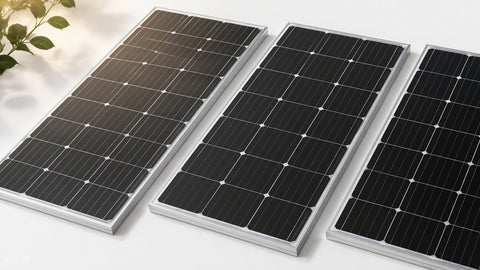
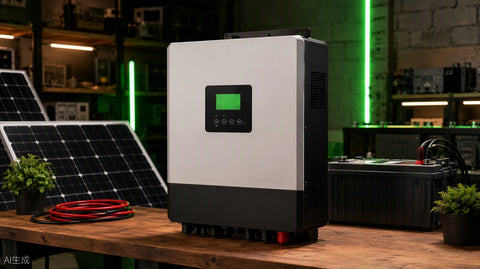
The biggest shift in camping power since 2020 isn't generator technology — it's portable power stations. A 1–2 kWh lithium power station covers a phone-laptop-cooler-CPAP camp load for a weekend in total silence, recharges off a folding solar panel or your vehicle, and has no exhaust, no fuel, and no campground restrictions. It also dies in hour one of running an electric kettle marathon and costs $700–$1,500 for capacity a $500 generator refills for $8 of gas.
| Power Source | Weekend Cost to Run | Noise | Refuel/Recharge | Cold Weather | Best Camp Role |
|---|---|---|---|---|---|
| 2kW inverter generator (gas) | ~$8–15 fuel | 48–57 dBA | Instant — pour gas | Excellent | Primary power, any load, any duration |
| Dual-fuel inverter (propane) | ~$15–25 fuel | 53–60 dBA | Swap a bottle; no carb issues | Good (propane pressure drops in deep cold) | Storage-friendly primary; long shelf life |
| 1–2 kWh power station | ~$0 (solar/vehicle recharge) | Silent | 2–8 hr solar/AC/12V recharge | Reduced capacity below freezing | Silent overnight power, tent camping, CPAP |
| Power station + 200–400W folding solar | ~$0 | Silent | 4–6 hr good sun | Panels love cold; station needs insulation | Self-sustaining ultralight setup |
The setup we see working best in 2026: a small power station for silent overnight loads (CPAP, phones, lights) and a quiet inverter generator that runs an hour or two mid-day to recharge the station and handle cooking loads. Total noise footprint near zero, total fuel use maybe a gallon a weekend. It also splits the failure risk — if one device dies in the backcountry, the other carries the essentials. Our portable power station collection and folding solar panels cover the battery side; the portable generator news archive tracks the generator side. One sizing note on the station half of that pair: match the station's inverter rating to your largest load, not just its capacity — a 2 kWh station with a 600W inverter still won't run a 1,000W coffee maker, no matter how many watt-hours sit inside it.
Campground Rules, Etiquette, and Staying Welcome
Read the campground's generator policy before you book, not after you unload. Common rules: generator hours (typically 8 AM–8 PM or 10 AM–6 PM windows), 60 dB(A) at 50 feet, and outright bans in tent-only loops. National Park Service campgrounds trend stricter than state parks; dispersed BLM and Forest Service land is the Wild West — which means your etiquette is the only rule. Point the exhaust away from neighboring sites, elevate the unit off dry duff in fire season (and carry the spark arrestor the law requires on federal land), and never, ever run one inside or near an enclosed space. Carbon monoxide kills campers every year — the CDC has documented hundreds of CO poisoning incidents tied to portable generators, including units placed "outside" but adjacent to tent walls and RV windows. Keep it 20 feet from anything anyone sleeps in, exhaust pointed away, and buy a battery CO detector for the tent or trailer. It's $25 and non-negotiable.
Maintenance for a Machine That Sits
Camping generators fail from storage, not from use. The discipline that keeps one alive: run the carburetor dry or use stabilized fuel before storage (ethanol gas varnishes a carb in 90 days), change oil after the first 20 hours and then every 50–100 hours or annually, pull the spark plug and fog the cylinder if it's sitting a full winter, and start it monthly for ten minutes under a small load. A dual-fuel unit run exclusively on propane skips most of this — no carburetor varnish, no stale gas. It's the single biggest argument for dual-fuel in a use pattern that's inherently intermittent. Our portable generator maintenance guide has the full seasonal checklist, and the DuroMax vs Generac vs Honda comparison covers long-term ownership costs if you're still choosing.
Transport deserves a sentence too, because we see the warranty claims: drain or shut off the fuel and run the carb dry before the unit rides in an enclosed vehicle (fuel sloshing into the intake on rough forest roads hydro-locks engines), strap it upright, and let it cool before it goes in the truck bed under a canopy. Hot mufflers and carpeted truck beds have started more than one fire on the drive home — the kind of camping story nobody wants to tell.
The Dual-Use Question: One Generator for Camping and Home Backup?
The most common question at our counter from new camping customers: "Can this also run my house in an outage?" The honest answer is "partially, with planning." A 2,200W inverter will keep a fridge, a furnace blower, some lights, and device charging alive through an outage if you rotate loads and use an interlock or a proper transfer setup — never a suicide cord. What it won't do is run central AC, an electric water heater, or a well pump with a big starting surge. If home backup is a real priority, the crossover sweet spot is the 4,000–4,500W inverter class (the Champion 4500 dual-fuel and its peers): still quiet enough for campgrounds at 60–61 dBA, still one-person movable with wheels, and enough surge to start a well pump or a soft-started RV AC. You give up the ultralight carry; you gain a machine that earns its garage space twelve months a year. For the dedicated home-backup end of that spectrum, portable vs whole-house generator draws the line clearly, and our 6–10kW portable collection is where serious backup portables start.
Whatever you buy, register the warranty the week it arrives and photograph the serial plate. Portable generators are among the most-stolen items in the outdoor category — an engraved driver license number and a locked cable through the frame have saved more machines than any alarm we've sold. And keep the receipt with your homeowner's insurance records; a stolen or fire-damaged generator with documentation is a claim, without it an argument.
Altitude, Cold, and the Spec Sheet's Fine Print
Two environmental factors quietly derate every camping generator, and both hit exactly where people camp. Altitude: naturally aspirated small engines lose roughly 3% of power per 1,000 feet of elevation above sea level once you're past the first few thousand feet — a 2,200W unit at a 7,000-foot Colorado trailhead is effectively a 1,700W unit. Some manufacturers sell high-altitude carburetor jet kits; at 6,000+ feet, install one or accept the derate. Cold: engines love cold air, but batteries (on electric-start units), propane regulators, and stale fuel don't. Propane's vapor pressure drops steeply below 20°F, starving small engines; gasoline actually vaporizes worse in extreme cold if it's summer-blend fuel. Below-freezing camping argues for fresh winter-blend gas, a battery warmer or pull-start backup, and keeping the power station insulated in the tent's vestibule, not in the truck bed.
| Elevation | Approx. Power Available (2,200W unit) | Practical Effect | Mitigation |
|---|---|---|---|
| Sea level – 2,000 ft | 2,200 W (100%) | None | — |
| 3,000 ft | ~2,000 W (91%) | Still runs everything camp-sized | None needed |
| 5,000 ft | ~1,870 W (85%) | Marginal for RV AC soft-start | Size up one class |
| 7,000 ft | ~1,740 W (79%) | Coffee maker + cooler is near the ceiling | High-altitude jet kit |
| 9,000+ ft | ~1,600 W (73%) | Plan loads carefully | Jet kit mandatory; consider 3kW class |
Winter campers should also flip the sizing logic for CPAP duty. Overnight CPAP use is exactly the load a power station was invented for — 30–60W for 8 hours is 240–480 watt-hours, half a small station's capacity. Run the station in the tent (silent, zero CO risk), and let the generator recharge it during permitted hours. It's the combination that keeps you both powered and welcome. If your RV is the camping platform, our inverter RV generator guide covers the 30A/50A specifics, and the 3–6kW portable collection is where the RV-class units live.
Frequently Asked Questions
What size generator do I need for camping?
A 2,000–2,200W inverter generator covers nearly all tent and van camping: phones, laptops, LED lights, an electric cooler, a CPAP, and a coffee maker — typical simultaneous loads peak under 500–1,200 watts. Only RV air conditioning or hair-dryer-class loads justify 3,000W+. Oversizing wastes money, adds weight, and runs the engine inefficiently at light load.
Are generators allowed in campgrounds?
Usually yes with restrictions: typical rules limit noise to 60 dB(A) at 50 feet, restrict hours (commonly 8 AM–8 PM), and ban generators in tent-only loops. National Park campgrounds trend strictest. Quiet inverter generators at 48–58 dBA pass almost everywhere; open-frame contractor units at 70+ dBA will get you asked to leave.
Is a portable power station better than a generator for camping?
For light loads over a weekend — phones, lights, a CPAP, a small cooler — a 1–2 kWh power station is better: silent, exhaust-free, unrestricted, and solar-rechargeable. For cooking appliances, RV air conditioning, or trips beyond 2–3 days without recharge, a generator wins on refuel speed and cost per kWh. Many campers now run both: station for overnight silence, generator for a mid-day recharge.
How long will a camping generator run on a tank of gas?
A 2kW-class inverter generator at 25% load runs 8–12 hours on its roughly 1-gallon tank — at a typical 300-watt camp load, a full weekend of evening use on one fill. Runtime collapses at high load: the same unit at full throttle runs 3–4 hours. Eco-throttle modes that match engine speed to load are the key efficiency feature.
Can I run a generator while I sleep in a tent or RV nearby?
Not safely. Carbon monoxide from generator exhaust is odorless and has killed campers with units placed "just outside" tents and RV windows. If overnight power is required (for a CPAP, for example), use a battery power station inside and recharge it with the generator during the day, or position the generator at least 20 feet away with exhaust pointed away and a battery CO detector in the sleeping space.