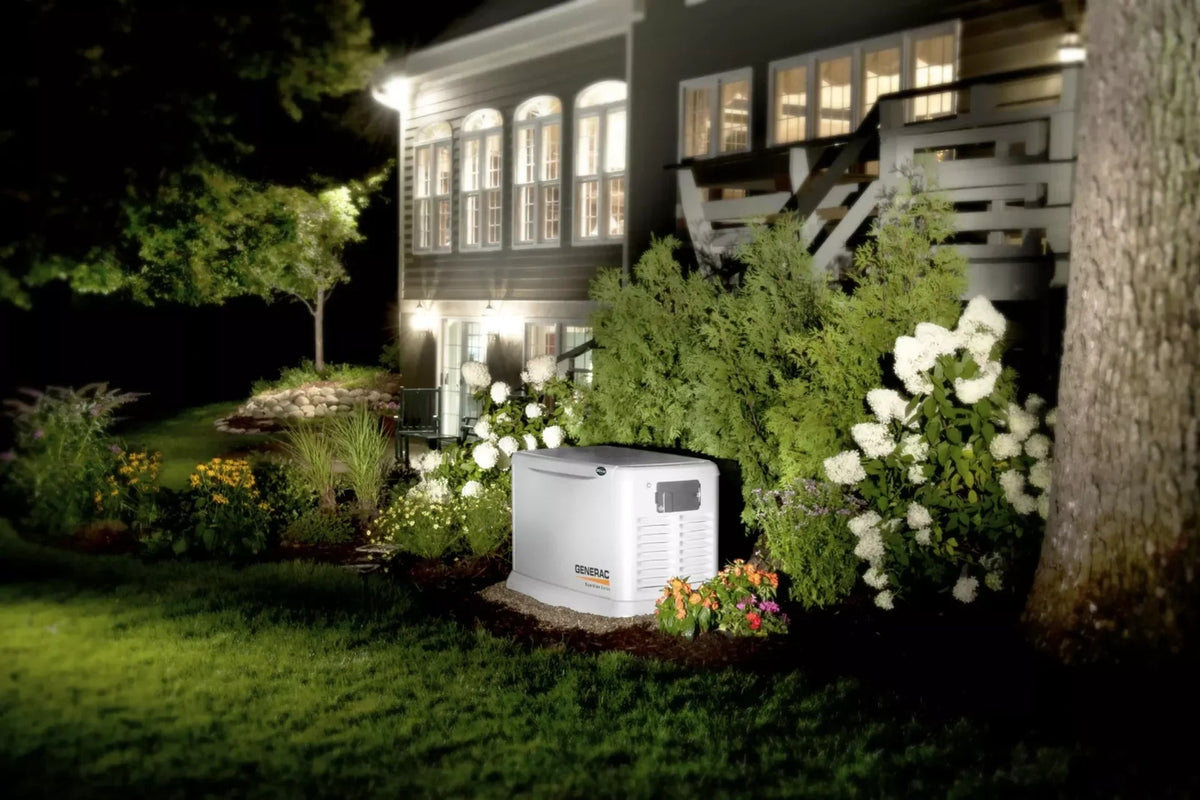
Two winters ago an ice storm took down the feeders across half of Clackamas County, and my phone rang for three straight days. The calls split into two camps: people whose standby generators started, transferred, and carried the house without drama — and people whose bargain units died at hour nine with a cooked voltage regulator or a fuel problem nobody planned for. Whole-house generators are not appliances you buy on price-per-watt. They're insurance policies with engines, and the reviews that matter are the ones written by the outage, not the unboxing.

This guide is the same advice we give across the counter at Portlandia Electric Supply: how standby units actually differ, how to size one without overpaying, which brands hold up in real service, and what the installation involves per code. For head-to-head sizing math, keep our 12kW vs 16kW vs 20kW vs 24kW comparison open in another tab — it pairs with everything below.
What Separates a Whole-House Generator From Everything Else
A whole-house standby generator is a permanently installed, automatically transferring machine plumbed into natural gas or propane, sitting on a pad outside like a second HVAC condenser. It watches utility power through an automatic transfer switch (ATS), starts within about ten seconds of a failure, and carries the house until the grid returns — then shuts down, re-exercises weekly, and waits. Nobody drags it out of the garage. Nobody runs extension cords through a cracked window. That automation is the entire point.
The distinction matters because "generator reviews" online lump three different machines together:
| Type | Output Range | Transfer | Fuel | Installed Cost (typical) | Honest Use Case |
|---|---|---|---|---|---|
| Portable (open frame) | 2–10 kW | Manual cords / interlock | Gasoline | $500–$2,500 | Job sites, occasional fridge-and-furnace backup |
| Portable inverter | 1–4.5 kW | Manual | Gasoline / dual fuel | $400–$3,500 | Camping, tailgating, electronics-safe power |
| Air-cooled standby | 10–26 kW | Automatic (ATS) | NG / LP | $9,000–$16,000 installed | Most single-family homes, outages up to days |
| Liquid-cooled standby | 22–150+ kW | Automatic (ATS) | NG / LP / diesel | $18,000–$60,000+ installed | Large homes, estates, small commercial |
Standby vs portable: core decision criteria
If you're genuinely torn between rolling a portable out during storms and investing in a standby system, we wrote that decision up in plain dollars in portable vs whole-house generator. The short version: if outages in your area run longer than a day, or anyone in the house depends on powered medical equipment, standby pays for itself in the first bad winter.
Sizing: The Number Everything Else Hangs On
Sizing a standby generator is a load calculation, not a vibe. NEC 220 and 702 drive the formal math, but the field version starts with your largest motor loads — the well pump, the HVAC compressor, the septic pump — because starting surge dictates the floor, and your continuous loads dictate the running size. A 5-ton air conditioner can demand 25+ amps at 240V just to start; a generator that can't swallow that inrush will hunt, sag, and trip every time the thermostat calls.
| Home Size / Load Profile | Typical Critical Loads | Recommended Size | Output Amps @ 240V | Min. Copper Feeder (75°C, NEC 310.16) | Breaker (NEC 240.6) |
|---|---|---|---|---|---|
| Small home / cabin, gas heat, no central AC | Furnace blower, fridge, lights, internet, well pump | 10–14 kW | 42–58 A | 6–4 AWG | 50–60 A |
| Average 2,000–2,500 sq ft, one 3–4 ton AC | Above + AC, range (managed), water heater (managed) | 18–22 kW | 75–92 A | 4–2 AWG | 80–100 A |
| Large home, 3,000–4,000 sq ft, two ACs | Whole-home with load management | 24–26 kW air-cooled | 100–108 A | 3–1 AWG | 110–125 A |
| Estate / all-electric, 4,000+ sq ft | Multiple HVAC, pool, shop, EV | 30–48 kW liquid-cooled | 125–200 A | 2/0–4/0 AWG | 125–200 A |
Two notes from the field. First, load management modules — the little priority controllers that shed the water heater or the range while the AC starts — let a 22kW do the work of a 26kW for about $600 instead of $4,000. Every brand offers them; use them. Second, don't guess your AC's locked-rotor amps: read the nameplate LRA, or call us with the model number. I've seen a perfectly good 20kW blamed for "being undersized" when the actual problem was a 22-year-old compressor pulling 130 amps of inrush on a dying run capacitor.
If you want the amps-to-kilowatts arithmetic spelled out, how many amps a 10kW generator makes and our kWh-to-amps conversion guide walk the math with worked examples.
The Brands: What We Stock, Service, and Actually Recommend
We sell and service the majors, which means we also see the warranty claims. Here's the honest scoreboard as of 2026.
Generac. The volume leader — roughly three of every four residential standby installs in North America. The Guardian air-cooled line (10–26kW) is the default answer for a reason: parts are everywhere, every generator tech alive knows the platform, and Wi-Fi monitoring is standard. Weaknesses: the transfer-switch ecosystem pushes you toward Generac-branded ATS gear, and their dealer network quality varies by region. Full teardown in our Generac brand guide.
Kohler (Rehlko). The premium feel pick. Kohler's RCL/RCA air-cooled units run commercial-grade engines, hold voltage regulation tighter under motor starts, and their enclosures are the quietest we've metered — around 63–65 dBA at exercise speed, versus 67–71 for typical air-cooled rivals. You pay for it: figure 10–20% more than equivalent Generac. See the Kohler/Rehlko brand guide for the current lineup after the Rehlko transition.
Cummins. The quiet professional's choice. Cummins QuietConnect air-cooled units are genuinely quiet, and their liquid-cooled line (up through 150kW) is the same engineering DNA as their commercial gensets. Dealer network is thinner than Generac's — verify local service before you buy in a rural county. Our Cummins brand guide covers the platform depth.
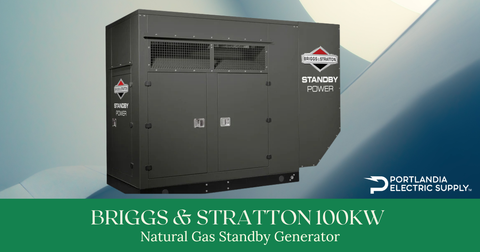
Briggs & Stratton. The value play, now under new ownership after 2023's restructuring. Their PowerProtect units undercut the field by 15–25% and the warranty terms (up to 7 years on some lines) are the longest in class. The trade is a smaller service network and fewer dealer-stocked parts in some regions. Details in the Briggs & Stratton brand guide.
| Brand (air-cooled flagship class) | Size Range | Exercise Noise (typ.) | Warranty | Street Price, 22kW class (unit only) | Best For |
|---|---|---|---|---|---|
| Generac Guardian | 10–26 kW | ~67 dBA | 5 yr limited | $5,300–$6,200 | Most homes; service availability anywhere |
| Kohler 20RCA / 26RCA | 14–26 kW | ~63–65 dBA | 5 yr / 2,000 hr | $6,000–$7,400 | Noise-sensitive lots, tighter voltage regulation |
| Cummins QuietConnect RS22 / RS25 | 13–25 kW | ~65 dBA | 5 yr | $5,800–$7,000 | Quiet operation, liquid-cooled upgrade path |
| Briggs & Stratton PowerProtect 22kW | 10–26 kW | ~69 dBA | Up to 7 yr | $4,600–$5,600 | Budget-focused installs with dealer support nearby |
Prices are 2026 street numbers for the generator alone; pads, plumbing, ATS, and labor roughly double the all-in figure. When a quote comes in dramatically below these bands, ask what's missing — it's usually the transfer switch, the gas line upsizing, or the permit.
Fuel: Natural Gas vs Propane vs Diesel

Fuel choice is usually made for you — if the street has gas, you pipe gas; if it doesn't, you set a propane tank. But the numbers deserve a look, because fuel cost over a 20-year service life dwarfs the price difference between brands.
| Fuel | Typical Consumption, 22kW air-cooled | Cost per kWh (2026 avg prices) | Pros | Cons |
|---|---|---|---|---|
| Natural gas | ~200–310 ft³/hr (half to full load) | ~$0.25–$0.45 | Unlimited runtime, no refills, no tank | Requires adequate meter/service pressure; ~10% output derate vs LP on some models |
| Liquid propane | ~2.0–3.6 gal/hr (half to full) | ~$0.45–$0.70 | Anywhere fuel, long tank storage life | 250–500 gal tank required; refills in storm season can lag |
| Diesel (liquid-cooled units) | ~1.5–3.5 gal/hr by size/load | ~$0.50–$0.80 | Best kW-per-gallon; commercial durability | Fuel polishing, gelling in cold, higher unit cost |
One gas-line gotcha we see constantly: a 22kW on natural gas wants roughly 250–330 cubic feet per hour at full load, and plenty of older homes have a meter and regulator sized for a furnace and a water heater and nothing more. The generator starts fine in testing, then the first real outage coincides with the furnace running, pressure sags, and the unit stumbles. Have the gas utility confirm meter capacity before the pad is poured — upsizing after the fact is a scheduling nightmare.
Installation, Code, and the Transfer Switch
NEC Article 702 governs optional standby systems, and the details inspectors actually flag are: a listed transfer switch matched to the generator, proper grounding and bonding (separately derived vs non-separately derived systems are not interchangeable), working clearance in front of the ATS, and signage. The generator itself needs a level pad, clearance per the manufacturer (typically 18 inches from the house wall minimum, 3–5 feet from openings and vents depending on listing), and a gas line with a sediment trap and shutoff.
Conductor and breaker sizing for the generator feeder follows NEC 310.16 and 240.6 exactly as shown in the sizing table above — the 125% continuous factor doesn't apply to generator feeders the way it does to PV, but conductor ampacity must still meet or exceed the overcurrent device, and voltage drop over long runs to a detached pad can force you up a size. Our NEC wire sizing guide with ampacity charts has the full 60/75/90°C tables if you want to check your installer's math — and you should check it.
Permits are not optional. A standby install without an electrical permit and a gas/plumbing permit is uninsurable work; when the house sells, the unpermitted generator in the yard becomes a closing-table problem. Every bid we write includes permits, and any bid you receive that doesn't should be treated as a red flag, not a discount.
The Transfer Switch: The Part Nobody Shops and Everybody Needs
Homeowners obsess over the generator and ignore the ATS, which is backwards — the transfer switch is what makes the system a standby system. Two configurations dominate. A service-rated ATS sits between the meter and your main panel and transfers the whole service; it's the cleanest install and the right choice for true whole-house coverage. A sub-panel (load-center) ATS feeds a dedicated panel carrying only chosen circuits; it's how you make a smaller generator behave like a bigger one, at the cost of deciding in advance which rooms go dark. We lean service-rated on almost every job now, because load-management modules inside modern ATS gear give you the shedding intelligence without the second panel. Whichever you choose, match the ATS's neutral switching to the generator's bonding configuration — mixing a switched-neutral transfer switch with a bonded-neutral generator (or the reverse) creates parallel neutral paths and ground-fault gremlins that take hours to diagnose. This is genuinely a "hire the licensed electrician" detail, not a YouTube weekend.
Siting, Noise, and Neighbor Relations
Where the unit goes matters more than most bids admit. The listing dictates minimum clearances — typically 18 inches from the structure, 3–5 feet from doors, windows, and fresh-air intakes, and never under a deck or an eave vent that can recirculate exhaust. Beyond code, think about sound: an air-cooled unit at full load runs 70–75 dBA, roughly a vacuum cleaner that never stops. Aim the exhaust away from bedroom windows — yours and the neighbor's — and remember that sound reflects off fences and walls. A unit tucked into a corner between two hard surfaces reads noticeably louder than the same unit on an open pad. In snow country, keep the pad where drifting won't bury the intake; we've dug more than one suffocated generator out of a January drift on a service call that a $0 different pad location would have prevented.
Budget realistically for 2026: a 22kW air-cooled install with a 200A service-rated ATS, composite pad, gas plumbing within 20 feet, and permits runs $11,000–$15,500 in the Pacific Northwest. Liquid-cooled 36–48kW estates run $25,000–$45,000. If that number stings, compare it against the battery alternative honestly — battery backup vs generator does the 20-year math both ways. For many all-electric homes the right answer is the hybrid: a modest generator plus a battery bank, which our whole-house generator overview touches on for inverter-coupled systems.
Living With It: Maintenance and What Reviews Won't Tell You
A standby generator is an engine that sits outside for 355 days a year and must perform flawlessly on the ten days you need it. Maintenance is the whole game: oil and filter annually or every 100–200 run hours, spark plugs and valve clearance per schedule, battery every 3–4 years (the $80 battery is the #1 cause of "generator didn't start" service calls, bar none), and a monthly glance at the exercise log. Most modern units self-test weekly and report over Wi-Fi — turn the notifications on.
Cold-weather packages (battery warmers, oil warmers) are mandatory north of the freeze line and cheap insurance anywhere. Propane customers: size the tank for a multi-day event, not a picnic — a 22kW at half load drinks a 250-gallon tank dry in about five days of continuous running, and February refills come when the truck can get through.
And buy where service lives. The cheapest unit on the internet is expensive the first time it needs a control board in an ice storm and the seller is a warehouse three states away. We stock the majors in our standby generator catalog, and more importantly we answer the phone afterward — which, after twenty years in this trade, is the entire product.
Frequently Asked Questions
What size generator do I need to run a whole house?
Most 2,000–2,500 sq ft homes with gas heat and one central air conditioner run comfortably on an 18–22kW air-cooled standby with load management. Small homes with gas heat and no central AC can drop to 10–14kW; large all-electric homes with multiple HVAC systems need 30–48kW liquid-cooled units. The deciding factor is motor starting surge — get the locked-rotor amps from your AC nameplate before sizing.
How much does a whole-house generator cost installed?
In 2026, a 22kW air-cooled standby generator with automatic transfer switch, pad, gas plumbing, permits, and labor runs $11,000–$15,500 in most US markets. The generator itself is only $5,300–$7,400 of that. Liquid-cooled systems for large homes run $25,000–$45,000 all-in. Quotes dramatically below these ranges usually omit the transfer switch, gas work, or permits.
Is natural gas or propane better for a standby generator?
Natural gas is better if you have it: unlimited runtime, no tank, lower fuel cost per kWh. Propane is the answer everywhere gas service doesn't exist, and it stores indefinitely — but you need a 250–500 gallon tank and a supplier who delivers in storm season. Some models derate output 5–10% on natural gas versus propane, so check the spec sheet for both ratings.
How long can a standby generator run continuously?
On natural gas, effectively indefinitely — air-cooled units need an oil check around every 200 hours (8+ days) of continuous running, and liquid-cooled units run for weeks with routine service. On propane, runtime is tank-limited: a 22kW at half load consumes roughly 2 gallons per hour, draining a 250-gallon tank in about five days. Plan tank size for your longest realistic outage.
Do whole-house generators add home value?
Yes — appraisers and buyers treat a permitted, professionally installed standby system as a capital improvement, commonly returning 50–75% of installed cost at resale, and far more than that in outage-prone markets where whole-house backup is an expected feature. The permit record matters: unpermitted installs can complicate a sale rather than help it.
How often does a standby generator need maintenance?
Oil and filter annually or every 100–200 run hours, spark plugs and valve adjustment per the manufacturer's schedule, and the starter battery every 3–4 years — a weak battery is the most common reason standby units fail to start. Modern units self-exercise weekly and report faults over Wi-Fi; enable those alerts and check the exercise log monthly.