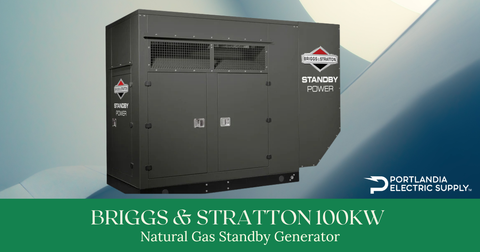
At 175 kW you're buying serious standby iron — the class that keeps a grocery store's refrigeration compressors turning, a mid-size hospital wing's life-safety and critical branches alive, or a manufacturing line from scrapping a production run every time the utility blinks. Cummins fields this rating in both diesel (C175D6-class) and natural gas (C175N6-class) packages built around engines with decades of field history, and the buying questions at this size are different than they are at 25 kW: fuel logistics, paralleling strategy, and code-driven reliability all move to the front of the line. This guide is the walkthrough we give facility engineers and electrical contractors before the quote stage.
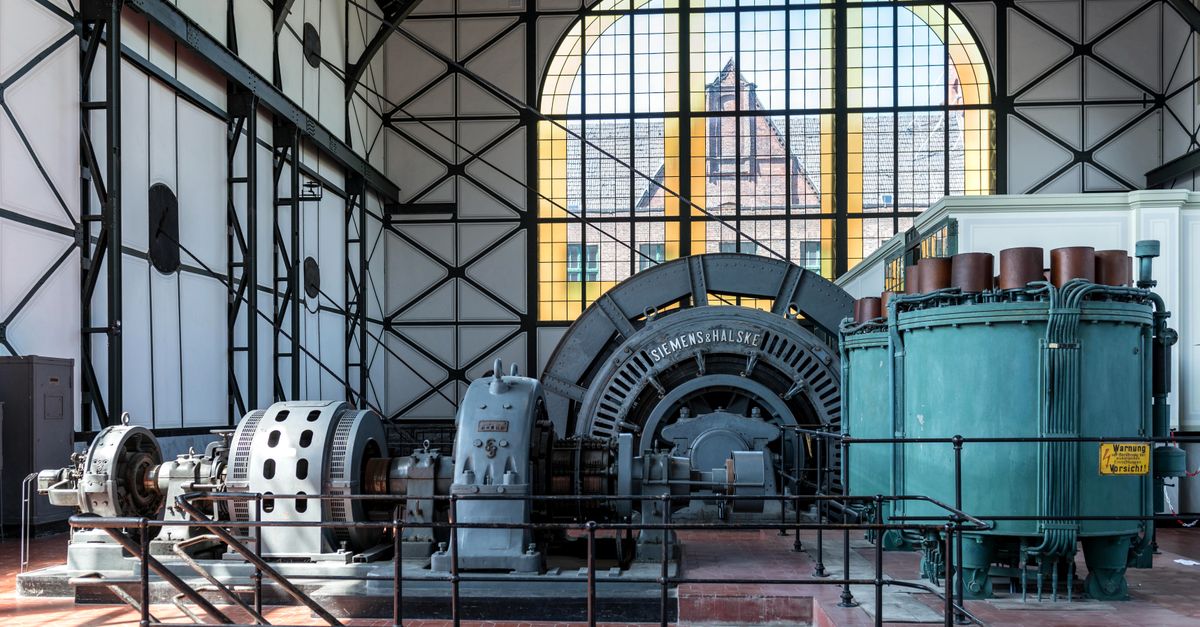
Key 175 kW Cummins Generator Options: Diesel and Natural Gas
Diesel
The diesel 175 kW package is the default for a reason: fastest block loading, best altitude and temperature tolerance via turbocharging and aftercooling, and total independence from utility infrastructure. A diesel at this class accepts heavy motor-starting steps — think a 50–75 HP chiller compressor or a fire pump — with voltage and frequency dips that stay inside most equipment's ride-through envelope. The trade-offs are the fuel system (tank, polishing, spill containment) and emissions paperwork, which we'll get to below.
Natural Gas
The NG variant eliminates fuel storage entirely and simplifies air permitting, but two realities must be priced in. First, derating: naturally aspirated and lean-burn NG engines lose capacity with altitude and heat far faster than a turbocharged diesel — at 5,000 feet on a 100°F day, an honest site rating can fall well below nameplate, sometimes into the 145–155 kW band. Size from the factory derate curve at worst-case ambient, never from the brochure. Second, the gas service: full-load consumption runs around 2,300 cubic feet per hour — over 2.3 million BTU/hr. That is a utility conversation with a service-agreement paper trail, and it needs to happen during design. We've watched a 175 kW NG install sit commissioned-but-undersupplied for months because nobody confirmed delivery pressure until the load test.
Fuel Burn and Runtime Math
Representative consumption for this generator class (verify against the specific engine datasheet before sizing tanks or gas service):
| Load Level | Diesel, gal/hr | Natural Gas, ft³/hr | Field Note |
|---|---|---|---|
| 25% (≈ 44 kW) | ≈ 4.3 gph | ≈ 800 cfh | Avoid sustained diesel operation here — wet stacking risk |
| 50% (≈ 88 kW) | ≈ 7.2 gph | ≈ 1,300 cfh | Minimum healthy sustained diesel load |
| 75% (≈ 131 kW) | ≈ 10.4 gph | ≈ 1,800 cfh | Typical design point for standby sizing |
| 100% (175 kW) | ≈ 13.5 gph | ≈ 2,300 cfh | ≈ 2.35M BTU/hr gas demand — utility letter required |
Runtime arithmetic that ends up in submittals: a 1,000-gallon diesel tank at 75% load delivers roughly 1,000 ÷ 10.4 ≈ 96 hours — call it four full days, satisfying the 72-hour and 96-hour runtime provisions that appear in health-care and water-infrastructure specs with margin for unusable tank bottom. Double the tank or add a refueling contract with guaranteed response for anything mission-critical beyond that horizon. For NG, runtime is theoretically unlimited, but it inherits utility risk: if the event that took the power down can take the gas down (seismic zones, major flooding), the unlimited-runtime argument gets weaker and dual-fuel or diesel gets another look.
Electrical Interconnection at 175 kW: The Copper Gets Serious
| Parameter | 480V 3-Phase | 208V 3-Phase | Method / Code Reference |
|---|---|---|---|
| Full-load current | 175,000 ÷ (480 × 1.732) = 210.5 A | 175,000 ÷ (208 × 1.732) = 485.7 A | I = P ÷ (V × √3) |
| Conductor sizing, 115% (NEC 445.13) | 242.1 A | 558.6 A | Generator feeder ampacity ≥ 115% of nameplate |
| Copper, 75°C (NEC 310.16) | 250 kcmil (255 A) | Parallel 2 × 300 kcmil (285 A × 2 = 570 A) | Paralleling permitted ≥ 1/0 per NEC 310.10(H) |
| Standard OCPD (NEC 240.6) | 250 A frame | 600 A frame | Next standard size |
| ATS class | 400 A | 800 A | Sized to switched load, not just genset output |
At 175 kW the voltage decision is basically made for you. A 208V installation pulls nearly 500 amps — parallel 300 kcmil runs, 3-inch-plus raceways, 800A-class transfer equipment, and pulling labor that makes the electrical crew wince. The same machine at 480V needs a single 250 kcmil run and a 250A frame. Unless the building's entire distribution is 208V with no upgrade path, 480V with step-down transformation wins on installed cost every time at this size. Pull conductor sizes from our NEC ampacity chart and the wire sizing guide; raceway selection is in the conduit fill chart.
Ratings and Duty: Match the Nameplate to the Mission
| Rating | Annual Hours | Overload | Typical 175 kW Use |
|---|---|---|---|
| Emergency Standby (ESP) | ~200 hr/yr max | None | Code-required loads: health care, egress, fire pump backup |
| Standby (LTP) | ~500 hr/yr max | 10%, 1 hr in 12 | Commercial/industrial outage protection |
| Prime (PRP) | Unlimited, variable load | 10%, 1 hr in 12 | Peak shaving, demand response, remote power |
| Continuous (COP) | Unlimited, constant load | None | Base-load remote sites; expect ~10% derate from standby |
The mistake we correct most at this class: a facility buys a standby-rated 175 kW, enrolls it in a demand-response program, and voids the duty assumptions — and arguably the warranty basis — in the first summer. If the machine will run for money, not just for outages, buy prime rating. The price delta is smaller than one overhaul moved up three years.
PowerCommand and Remote Monitoring Interoperability
At 175 kW, monitoring isn't a convenience — it's the maintenance system's early-warning layer. PowerCommand controls handle start sequencing, engine protection, metering, and (on 2.3/3.3 tiers) paralleling; PowerCommand Cloud pushes exercise logs, fault codes, and fuel status to whoever holds the service contract. The interoperability question that matters: does the monitoring talk to the building management system? Modbus/BACnet gateways are standard options at this class — specify the protocol during submittals, because retrofitting comms into a commissioned panel is a day of downtime nobody budgets. And specify cellular backhaul, not site network, for the same reason you don't power the generator's battery charger from a circuit the generator is supposed to back up without thinking it through.
Installation Considerations for 175 kW Systems
Weight and rigging. A packaged 175 kW diesel with sound enclosure and sub-base tank runs 7,000–9,000 lbs wet and up. The pad is an engineered structure at this point — soil bearing, seismic anchorage, and full-fuel weight all go in the structural calc. Crane picks in the 30–50 ton class are typical; confirm the swing path is clear of overhead lines before pad placement is final, because moving a poured pad is not a thing.
Cooling and ventilation. Radiator discharge at this rating moves serious air and heat. Outdoor enclosures need the manufacturer's clearance minimums respected on the discharge side, and indoor installations need engineered ventilation and remote-radiator or ducted-discharge design — indoor 175 kW installs are a mechanical-engineering scope, not a contractor field-fit.
Fuel system. Diesel: sub-base or remote tank sized from the runtime table, day-tank and transfer-pump logic for remote tanks, spill containment, and a fill location a fuel truck can actually reach. NG: utility capacity letter at required pressure, gas train sized from full-load cfh with pressure-drop calc, seismic shutoff valve where the code requires it.
Commissioning. Non-negotiable at this size: a two-to-four-hour load-bank test to at least 80–100% of rating, transfer-switch operation under load, and a recorded cooldown cycle. Every parameter the acceptance test skips is a parameter the first real outage will test for you. We've seen a 175 kW unit fail its first storm because a transport lock on the fuel rack was never removed — the load bank would have found it in twenty minutes.
Maintenance, Service, and Reliability Best Practices
| Interval | Task | Why It Matters at 175 kW |
|---|---|---|
| Weekly | Automatic exercise (loaded where possible), alarm review | Verifies starting battery, block heater, and controls weekly |
| Monthly | Visual inspection, fluid levels, enclosure and louvers | Catches leaks and rodent damage early |
| Semi-annual | Battery load test, ATS exercise and inspection | Batteries are the #1 failure-to-start cause |
| Annual | Oil/filter/coolant service, fuel test (diesel), full function test | $2,000–$3,500/yr typical contract band at this class |
| Every 2–3 years | Load-bank test; diesel fuel polishing | Proves nameplate capacity; prevents wet stacking and microbial fuel growth |
| Per engine hours | Valve lash, injector service, major service per schedule | Prime-rated units hit these fast; standby units rarely do |
Reliability at this class is mostly a maintenance-budget story. The engines are proven designs with decades of field history; the failures we hear about are dead starting batteries, fouled diesel, and blocked heater circuits — all cheap items on a schedule, all catastrophic at 2 a.m. during an outage. Budget the service contract at purchase and treat it as part of the equipment price, because it is. A machine without a service agreement isn't cheaper; it's just uninsured.
Regulatory and Compliance Trends Affecting 175 kW Systems
Three regulatory threads to price into a 2026 purchase. First, air permits: emergency-only diesels keep a relatively light permitting path in most states, but any prime or demand-response duty triggers EPA Tier 4-final territory and state non-attainment rules that can add aftertreatment and months of lead time. Second, NFPA 110: health-care and emergency-system installations must meet Level 1 or Level 2 requirements for runtime, testing, and documentation — the 96-hour fuel supply provision shows up here, which is why the runtime table above matters. Third, noise ordinances: municipal decibel limits at the property line are spreading, and the Level 2/3 sound package is cheaper at order time than after a complaint. Ask us for the sound data with the quote; every serious bid at this class should include it.
Altitude and Temperature Derating: The NG Math Nobody Shows You
Because the NG derate issue decides more 175 kW purchases than any other single factor, here's the shape of it with representative figures (the factory curve for your exact engine governs — these show the mechanism):
| Site Condition | Diesel (Turbocharged), Available kW | Natural Gas (Lean-Burn), Available kW | Planning Consequence |
|---|---|---|---|
| Sea level, 77°F standard | 175 kW | 175 kW | Both meet nameplate |
| 2,500 ft, 95°F | ≈ 170–175 kW | ≈ 158–165 kW | NG margin shrinks; check worst-case load |
| 5,000 ft, 100°F | ≈ 165–172 kW | ≈ 145–155 kW | NG may miss the critical load; upsize or go diesel |
| 7,500 ft, 100°F | ≈ 158–168 kW | ≈ 130–142 kW | NG often disqualified at mountain sites |
The diesel's turbocharger compensates for thin air; the NG engine's lean-burn calibration can't lean out further without misfire, so capacity falls off a cliff with elevation and heat. Front-range Colorado, the Intermountain West, and high-desert Southwest projects hit this constantly. If the site is above ~3,000 feet and the critical load is anywhere near 150 kW, run the derate curve before the fuel-type debate even starts.
Case Patterns: Three Real-World 175 kW Configurations
Grocery / cold storage. Load profile dominated by refrigeration compressors with heavy motor-starting steps. Diesel, 480V, 1,000-gallon sub-base tank, Level 2 enclosure for the residential neighbor behind the loading dock. The design question is step-loading sequence — the controls must stagger compressor restarts across 30–60 seconds to keep voltage dip inside tolerance. This is the classic 175 kW diesel sweet spot.
Medical clinic / surgery center. NFPA 110 Level 1 drives everything: 96-hour fuel autonomy, documented testing, Type 10 (10-second) transfer to life-safety branch. Diesel again, with the fuel tank and the documentation package sized to the code, plus a service contract with guaranteed response. The generator is cheap; the compliance system around it is where the budget goes.
Light industrial / fab shop. Flat rate structure, frequent short outages, some demand-charge exposure. This is the profile where we price both ways: standby diesel for outages only, versus prime-rated NG participating in demand response to offset its own cost. When the utility's demand-response program pays decently and the gas service exists, prime NG pencils. When either is missing, standby diesel wins and the battery conversation handles the short blips. Either way, get the demand history first — fifteen-minute interval data from the utility tells us in one glance which of these three patterns your facility actually matches, and it costs you one phone call.
Buying Guide: How to Compare 175 kW Options
Compare on these axes, in this order: site-adjusted capacity (derated NG vs. rated diesel at your altitude and temperature), electrical configuration (480V vs 208V — see the copper table), fuel security (tank autonomy vs. utility dependence), enclosure and sound level, controls tier matched to actual paralleling/BMS needs, service network response time in writing, and total installed cost including rigging and fuel work — not equipment price alone. Cross-shop the duty honestly against alternatives, too: some facilities land better on two paralleled 100 kW units for N+1 redundancy, or on a smaller generator plus battery storage for short outages. Our 100 kW Cummins guide covers the step down; for smaller commercial loads, the whole-home/estate sizing guide and standby generator catalog cover the 20–60 kW band, including the Generac 26 kW Guardian that owns estate residential.
Frequently Asked Questions
How much fuel does a 175 kW Cummins generator use?
Diesel consumption in this class runs about 4.3 gph at 25% load, 7.2 gph at 50%, 10.4 gph at 75%, and roughly 13.5 gph at full 175 kW load. The natural gas variant consumes around 2,300 cubic feet per hour at full load — over 2.3 million BTU/hr — which requires a utility-confirmed commercial gas service.
What size wire and breaker does a 175 kW generator need?
At 480V three-phase: full-load current is 210.5A, NEC 445.13 sizing at 115% gives 242.1A, requiring 250 kcmil copper (75°C) and a 250A OCPD. At 208V three-phase: 485.7A full load needs 558.6A of conductor ampacity — parallel 2×300 kcmil copper — and 600A-class overcurrent protection. At this rating, 480V configuration is dramatically cheaper to wire.
How long can a 175 kW diesel run without refueling?
With a 1,000-gallon tank at a 75% standby load (~10.4 gph), expect roughly 96 hours — four days — meeting the 96-hour fuel provisions common in NFPA 110 health-care specs. Beyond that horizon, add tank capacity or a guaranteed-response refueling contract.
Is natural gas or diesel better for a 175 kW standby unit?
Diesel wins on power density, altitude/heat tolerance, motor-starting capability, and independence from utility infrastructure. Natural gas wins on unlimited runtime, simpler air permitting, and zero fuel maintenance — but derates significantly with altitude and temperature, so size NG from the factory derate curve at worst-case site conditions, and confirm gas delivery capacity in writing before purchase.
What maintenance does a 175 kW standby generator require?
Weekly automatic exercise, monthly inspections, semi-annual battery load tests, annual oil/filter/coolant service ($2,000–$3,500/yr typical contract range), and a load-bank test every 2–3 years. Starting batteries are the number-one failure-to-start cause; diesel units also need fuel testing and polishing on a 1–2 year cycle.
Can two 100 kW units replace one 175 kW generator?
Yes, and sometimes should: paralleled 100 kW units provide N+1 redundancy at a 175 kW load and better part-load fuel economy, at the cost of paralleling switchgear, controls complexity, and a larger footprint. If the critical load can tolerate a single machine and maintenance outages are schedulable, one 175 kW is simpler and usually cheaper installed.
Does a 175 kW generator need an air permit?
Emergency-only standby diesels face a light permitting path in most states. Any prime-power, peak-shaving, or demand-response duty typically triggers EPA Tier 4-final requirements and state non-attainment rules that can add exhaust aftertreatment and significant lead time. Resolve the duty rating and permit path during design, not after order.
Get a Real Quote, Not a Brochure Number
PES Supply packages 175 kW-class power with the transfer gear, fuel components, wire, and freight in one BOM — and we quote the derated capacity, not the optimistic nameplate. Start in the generator catalog, pair with transfer switches and ATS packages, and pull conductor sizes from the ampacity chart. Hybrid-curious facilities should also price battery storage alongside — the battery sizing guide and runtime calculator will tell you in ten minutes whether batteries shrink the generator you actually need. Send the load study; we'll send back a number that survives commissioning.