In an era where sustainability is more crucial than ever, the integration of artificial intelligence and machine learning in optimizing renewable energies presents a promising frontier. The energy sector is undergoing a transformative shift towards renewable and sustainable energy solutions that not only meet growing demands but also minimize environmental impacts. As AI and machine learning continue to evolve, their applications in renewable energy systems are paving the way for more efficient, reliable, and resilient energy solutions.
Overview of Renewable Energy Sources
Renewable energy sources such as solar panels, wind, and hydroelectric power are at the forefront of the global energy transition due to their minimal greenhouse gas emissions compared to fossil fuels. These sources are naturally replenished, providing a steady and dependable energy supply that is immune to the price volatility and geopolitical unpredictability often associated with fossil fuels. Technologies harnessing these energies have been widely adopted to generate electricity. Notably, the International Renewable Energy Agency (IRENA) and Renewable Energy Policy Network for the 21st Century (REN21) have documented significant growth in renewable energy generation. Here are some key highlights:
- Rise in renewable energy generation from 4,098 TWh in 2010 to 7,140 TWh in 2019.
- Projections suggest that by 2025, renewable energy production in the USA will reach 521.95 TWh.
Importance of Sustainable Energy Solutions
The importance of renewable energy in sustainable development cannot be overstated. Renewable energy sources such as solar power, wind energy, and hydroelectric power not only emit fewer greenhouse gases but also provide a sustainable alternative to fossil fuels. This shift supports local economies by creating jobs, fostering technological innovation, and attracting investment, thereby accelerating the transition to a green economy. Additionally, renewable energy reduces air and water pollution, mitigating public health issues linked to fossil fuel combustion. By enabling equitable access to electricity, especially in remote and underserved regions, renewable energy drives socio-economic growth and fosters research and development in energy efficiency, storage, and grid integration.
Role of AI and Machine Learning in Renewable Energy
Artificial intelligence and machine learning are revolutionizing the way renewable energy systems operate. AI algorithms, grounded in statistical learning theory, leverage data generated by power systems and their users to optimize energy management and integration. Intelligent software autonomously optimizes operations, balancing energy supply, demand, and the infusion of renewable resources into the power grid. AI technologies enhance distributed energy management and microgrid integration, addressing quality and congestion challenges within the energy system. Combining intelligent energy storage systems with AI offers a reliable and sustainable solution for the renewable energy sector. AI-powered models can predict wind turbine output based on meteorological data, while machine learning algorithms forecast solar panel power production considering variables like temperature and solar irradiation.
Solar Energy Generation Techniques
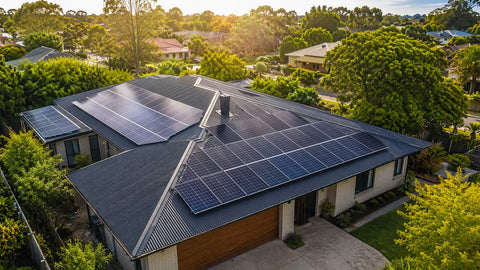
Solar energy generation has seen significant advancements with the integration of artificial intelligence and machine learning, optimizing the positioning and maintenance of solar panels. By employing AI algorithms, it is possible to forecast the optimal tilt angles for solar panels, ensuring maximum solar energy capture throughout the day. This not only enhances energy generation but also contributes to the overall efficiency of renewable energy systems. Additionally, AI technologies facilitate predictive maintenance by analyzing data from solar farms to identify panels needing repair or those at risk of failure, thereby reducing downtime and cutting operational costs in the renewable energy sector.
Wind Energy Production Strategies
The optimization of wind energy production is greatly enhanced through the application of artificial intelligence and machine learning. By analyzing power data from wind turbines, AI algorithms can detect discrepancies and predict potential part failures, minimizing unscheduled downtimes and improving the reliability of energy systems. Moreover, AI technologies are instrumental in determining the optimal placement and operation of wind turbines, considering wind flow patterns and velocity. This data-driven approach not only boosts energy generation but also integrates seamlessly with smart grid systems, ensuring a more efficient and sustainable management of renewable energy resources.
Combining Solar and Wind for Enhanced Efficiency
The synergy between solar and wind energy systems is unlocking new potentials for efficiency in the renewable energy sector. Hybrid renewable energy systems, which combine solar and wind power generation, can be optimized through AI and machine learning algorithms. These control solutions leverage data-driven models to seamlessly integrate solar and wind energy into the grid, enhancing energy storage and distribution. By optimizing energy management, these systems ensure a more reliable and sustainable energy supply, addressing the variable nature of renewable energy sources and contributing to the resilience of energy systems. This integration is key to advancing sustainable and resilient energy solutions globally.
Application of AI in Energy Systems
Artificial intelligence, a pivotal branch of computer science, has transformed energy systems through the development of intelligent systems capable of autonomously managing complex tasks traditionally reliant on human intellect. In energy management, AI technologies have become integral in optimizing the integration of energy supply, demand, and renewable sources like solar and wind into the power grid. By harnessing data from devices and sensors connected to the electricity grid, AI offers grid operators unprecedented insights, enabling more efficient operational control. This allows energy providers to adaptively adjust supply in response to fluctuating demand, enhancing the efficiency of renewable energy systems.
Machine Learning for Energy Demand Forecasting
Machine learning, a subset of AI, plays a crucial role in energy demand forecasting by designing algorithms that enable computers to learn from data and make precise predictions. In renewable energy systems, such as those harnessing solar and wind, machine learning is instrumental in predicting energy production rates. By analyzing historical energy production data, live sensor inputs, and weather tendencies, AI solutions can forecast energy generation with remarkable accuracy. This predictive capability is vital for optimizing energy management, allowing energy systems to better align production with consumption patterns, thereby enhancing the sustainability and efficiency of renewable energy technologies.
Smart Grid Management with Artificial Intelligence
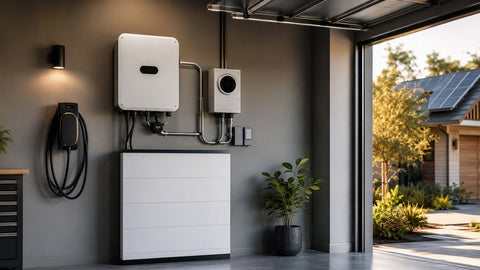
AI's role in smart grid management is transformative, providing the ability to dynamically allocate energy resources and minimize losses while maximizing the use of renewable energy sources. By optimizing grid operations, AI prepares the energy system to interface efficiently with an increasing share of renewable energy, such as solar and wind power. Companies like Tesla exemplify the application of AI in renewable energy, leveraging it to enhance energy management in solar products and battery storage systems. By continuously analyzing operational data, AI improves the efficiency and reliability of energy utilization and storage, advancing sustainable and resilient energy solutions in the renewable energy sector.
Innovative Energy Storage Solutions
Energy storage plays a critical role in the landscape of renewable energies, particularly given the inherent unpredictability of renewable energy sources like solar and wind. The integration of artificial intelligence and machine learning into energy storage systems offers groundbreaking solutions in optimizing the charging and discharging cycles of batteries. AI algorithms can enhance the lifespan and performance of these energy storage systems by predicting demand and aligning energy release accordingly. This not only optimizes energy production but also ensures a steady power supply from renewable energy sources, thereby bolstering the reliability and resilience of the renewable energy sector.
Enhancing Energy Efficiency through AI
The application of artificial intelligence and machine learning is pivotal in advancing energy efficiency across various domains. AI-integrated smart sensors and IoT appliances provide real-time monitoring of energy consumption, allowing for immediate adjustments that optimize energy use. In buildings, AI systems expertly control Heating Ventilation Air Conditioning (HVAC) systems, minimizing energy loss and operating expenses. Furthermore, AI identifies energy-intensive industrial processes, offering strategies to reduce consumption. By enhancing the efficiency of renewable energy technologies, AI contributes significantly to the sustainability of energy systems, ensuring more efficient and responsible energy management throughout the energy sector.
Future of Energy Storage in Sustainable Systems
As the field of renewable energy continues to evolve, the future of energy storage lies in the development of sustainable and resilient systems that integrate cutting-edge AI technologies. These advancements aim to optimize energy management and storage, making renewable energy systems more efficient and reliable. Innovations in battery technology, driven by AI, are expected to revolutionize how energy is stored and used, enhancing the overall efficiency of renewable energy systems. The focus is on creating adaptable storage solutions that can seamlessly integrate solar and wind energy into the grid, ensuring a consistent and sustainable energy supply.
Barriers to AI Implementation in Renewable Energy
Implementing AI in renewable energy systems presents several challenges, both technical and ethical. The integration of AI into existing energy infrastructures is complex and costly, requiring careful attention to minimize errors in AI forecasting models. Ethically, AI deployment raises concerns about data privacy and potential algorithmic biases. Regulatory hurdles further complicate the adoption of AI technologies, necessitating updated policies. The smart energy industry faces additional challenges, including inadequate data, technical infrastructure issues, and a shortage of skilled professionals. These barriers must be addressed to fully leverage AI's potential in optimizing renewable energy systems globally.
Opportunities for Innovation in Energy Management
The energy sector holds tremendous potential for innovation, driven by advancements in quantum computing and neural networks, which enhance AI systems. The availability of big data and improvements in data analytics are poised to refine AI models, making them more accurate and efficient. Addressing the complexity and cost of AI algorithms is crucial for their widespread adoption and scalability in the optimization, design, and management of renewable energy systems. Policymakers must recognize AI's impact on reducing greenhouse gas emissions and ensure flexible regulations to facilitate the deployment of AI technologies, fostering a sustainable energy future.
Future Trends in Renewable Energy Systems
The evolution of AI and machine learning technologies is set to play a pivotal role in transitioning towards a sustainable and resilient energy system. AI's introduction to developing power markets, supported by international financial institutions, can enable sustainable energy transitions. As distributed energy resources and microgrids become more prevalent, AI will be integral to integrating renewable energy sources into the grid, promoting operational independence. These trends highlight AI's potential to revolutionize renewable energy systems, driving innovation and ensuring the efficient and sustainable management of renewable energy resources globally.
Calculate how much storage you need with our battery sizing calculator.
Use our free solar system calculator to size your array.
Check out our Solar Panel Comparison Tool. Check out our Inverter Sizing Calculator.
Calculate your solar payback and 25-year savings with our Solar ROI Calculator. For proper setup, check out our solar installation guide. Keep your system running at peak performance with our Solar Maintenance Guide.
Related Products


Related Resources
- Solar System Calculator
- Battery Sizing Calculator
- Solar Panel Comparison Tool
- Inverter Sizing Calculator
- Solar ROI Calculator
- Solar Installation Guide
- Solar Maintenance Guide
- Solar Permitting Guide
- Battery Installation Guide
- NEC Code Compliance Guide
- Solar Panel Mounting Guide
- Grounding & Bonding Guide
- Solar Incentives by State
- Pro Account — Wholesale Pricing
- PowerLink Network — Contractor Program
The Sensing Layer: What IoT Actually Adds to an Array
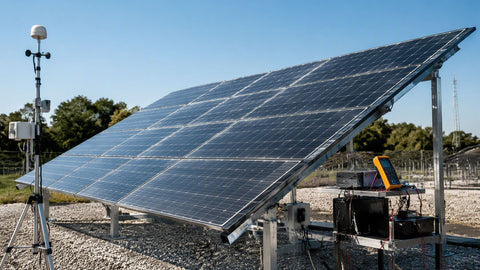
Strip away the buzzwords and an IoT-enabled solar plant is just a normal plant with far more instrumentation per watt. A legacy residential system reported one number: inverter output. A modern system reports module-level voltage and current from optimizers or microinverters, string-level data from combiners, cell-temperature estimates, plane-of-array irradiance, ambient temperature, wind speed, grid voltage and frequency at the point of interconnection, and whole-home consumption from the revenue meter or a CT clamp. That stream, sampled every few seconds to every few minutes, is the raw material everything else in this article consumes.
| Sensor / Data Source | Typical Sample Rate | What It Detects | Approximate Installed Cost Adder |
|---|---|---|---|
| Module-level power electronics (optimizer/microinverter) | 1–5 min | Per-module mismatch, shading, diode failure | $40–$70 per module |
| String current monitor (combiner) | 1 min | String outages, blown fuses, connector faults | $15–$30 per string |
| Plane-of-array irradiance sensor | 1 sec–1 min | True performance ratio, soiling rate | $300–$900 per site |
| Module temperature probe | 1 min | Thermal derate accuracy, hot spots | $100–$250 per site |
| Consumption CT / smart meter | 1–15 sec | Self-consumption ratio, export limiting | $100–$300 per service |
| Weather station (temp, wind, humidity) | 1 min | Forecast input, storm response | $400–$1,200 per site |
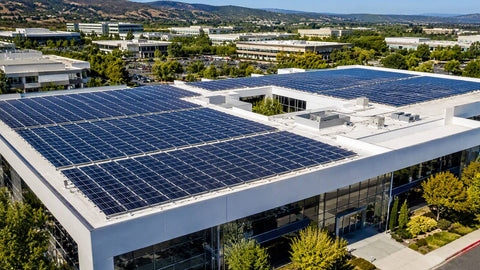
The cost column is why residential and commercial systems get different answers. On a 10 kW rooftop, module-level electronics are already standard in most markets, so the incremental IoT cost is a few hundred dollars for irradiance and temperature sensing — often skipped, sometimes regretted. On a 2 MW commercial array, a full sensor suite runs a few thousand dollars against a seven-figure project, and skipping it is genuinely hard to justify.
Forecasting: The Highest-Value AI Job in Solar
Of everything machine learning does in this industry, production forecasting has the most measurable payoff because it feeds decisions with direct dollar values: battery dispatch, demand-charge management, energy-market bidding, and maintenance scheduling. A day-ahead forecast that is wrong by 10 percent on a storage-backed commercial site can strand demand-charge savings that took months to engineer.
Forecast skill is usually expressed as normalized mean absolute error, and the published literature and vendor benchmarks cluster in a consistent range. The table below shows representative day-ahead forecast error by method, and what the accuracy is worth on a 500 kW commercial array producing about 2,900 kWh on a clear day.
| Forecast Method | Typical Day-Ahead Error (nMAE) | Error on 2,900 kWh Day | Value Impact at $0.12/kWh |
|---|---|---|---|
| Persistence (tomorrow = today) | 18–25% | 522–725 kWh | $63–$87 misallocated |
| Numerical weather prediction only | 10–14% | 290–406 kWh | $35–$49 misallocated |
| ML hybrid (NWP + satellite + site history) | 6–9% | 174–261 kWh | $21–$31 misallocated |
| Nowcast (sky imager, 30-min horizon) | 3–5% | 87–145 kWh | $10–$17 misallocated |
Halving forecast error does not just save the arithmetic in the last column — it compounds through the battery dispatch decision that used the forecast. Better forecasts mean the battery charges from the array instead of the grid, discharges into the demand peak instead of missing it, and preserves cycle life by avoiding pointless shallow cycling.
Anomaly Detection and Predictive Maintenance
The second big AI job is catching failures while they are still cheap. The economics are straightforward: a failed string on a commercial array loses its production every day until someone notices. Unmonitored faults historically persisted for weeks; fleet operators who adopted automated anomaly detection report cutting mean time to detection from weeks to hours. The table below models the cost of detection delay for a single 6 kW string on a commercial site, assuming 30 kWh of daily production at a $0.12/kWh value.
| Detection Scenario | Days to Detection | Energy Lost | Revenue Lost | Truck Roll Cost | Total Event Cost |
|---|---|---|---|---|---|
| No monitoring (found at quarterly check) | 45 | 1,350 kWh | $162 | $350 | $512 |
| Manual dashboard review (weekly) | 7 | 210 kWh | $25 | $350 | $375 |
| Automated anomaly alert | 1 | 30 kWh | $4 | $350 | $354 |
| Predictive (flagged before failure, bundled with planned visit) | 0 (planned) | 0 kWh | $0 | $0 marginal | ~$0 marginal |
The last row is the real prize. When a model flags rising string resistance or a drifting I-V curve two weeks before failure, the repair rides along on an already-scheduled maintenance visit. The truck roll — usually the largest single line in residential and small-commercial O&M — disappears from the event cost entirely. I've seen this exact dynamic on systems we support: the monitoring platform flagged a string that was down 8 percent against its peers, our tech found a corroded connector during a visit that was already booked for filter service, and the customer never knew there was a problem. That is the experience AI actually delivers when it works.
Soiling: The Quiet Loss That Models Handle Best
Soiling — dust, pollen, bird activity, wildfire ash — costs the U.S. fleet several percent of annual energy, and it is the loss category where machine learning earns its keep most quietly. A soiling model compares actual output against expected clear-sky output from the irradiance sensor, estimates the daily soiling ratio, and triggers a cleaning only when the projected energy value of recovery exceeds the cleaning cost. The arithmetic is honest: if a 100 kW commercial array loses 1.5 percent per week to soiling, that is about 105 kWh of lost weekly production worth roughly $13 at $0.12/kWh — so a $1,200 cleaning is never justified by one week of soiling, but is clearly justified after a long dry season has accumulated 8 to 10 percent loss. The model simply tracks the crossing point instead of relying on a calendar or a guess.
AI Applications at a Glance
The four AI jobs described above differ widely in maturity and payoff, and buyers should know which are shipping product and which are still pilot-stage. This table summarizes where each application stands as of 2026.
| Application | Maturity | Typical Benefit | Main Data Requirement |
|---|---|---|---|
| Production forecasting | Mature, widely deployed | Day-ahead error of 6–9% vs 18–25% for naive methods | Weather feed + site history |
| Anomaly detection | Mature on monitored fleets | Detection in hours instead of weeks | String- or module-level telemetry |
| Soiling optimization | Deployed at commercial scale | Cleaning triggered by economics, not calendar | Irradiance sensor + production data |
| Battery dispatch optimization | Standard on modern hybrid systems | Demand-charge and TOU savings, reduced cycling | Consumption meter + rate schedule |
| Predictive component failure | Emerging | Repairs bundled into planned visits | Multi-year fleet training data |
We stock monitoring-capable hardware across these categories precisely because the data layer has become as important as the power layer. I've personally watched a customer's monitoring alert catch a failed optimizer on a Friday afternoon, and we had a replacement on the next truck instead of discovering a dead module at the annual review.
Where the Industry Is Heading
Three developments will define the next five years. First, edge inference: inverter-level chips now run fault-detection models locally, so protection-relevant decisions no longer wait for a cloud round-trip. Second, fleet learning: a connector failure signature learned on a site in Arizona improves detection on a site in Ohio the following week, which is an advantage no single-site approach can match. Third, grid interactivity: the same telemetry and control pipes that optimize self-consumption are exactly what virtual power plant programs aggregate, so the AI-ready system of 2026 is also the VPP-ready system. The equipment choices made at design time — module-level electronics, a real irradiance sensor, a consumption meter — determine whether a system can participate in that future or only read about it.
We spec systems with that future in mind. When a customer asks whether the monitoring upgrade is worth it, I point to the detection-delay table above and the arithmetic does the talking. A system that tells you it is sick, in plain language, with a work order attached, is not a luxury feature anymore — it is the difference between a 25-year asset that performs and one that quietly underperforms for years before anyone notices.
Related Guides and Equipment
The hardware side of smart solar starts with the inverter: our solar inverter explainer and the inverter buyer's guide cover monitoring capabilities across architectures, while the top inverter picks roundup compares current models. Module-level data comes from module-level electronics, so browse the microinverter collection and the SolarEdge optimizer ecosystem. For storage that can act on AI forecasts, see batteries and energy storage and the energy storage primer. If you manage your own data preferences, the data-sharing opt-out page is the place to review them. And for the fundamentals underneath the smart layer, our hourly solar production guide explains the physics every model is trying to predict.
Frequently Asked Questions
How is AI used in solar energy systems?
Machine learning models now handle four core jobs in solar operations: forecasting production from weather data, detecting underperforming strings and failing components before they trip offline, optimizing battery dispatch against time-of-use rates, and scheduling cleaning and maintenance when the predicted energy gain exceeds the truck-roll cost. Each job turns telemetry that used to sit in a dashboard nobody watched into a specific, scheduled action.
What is the role of IoT in a solar installation?
IoT hardware is the sensing layer: module-level power electronics, string monitors, irradiance sensors, cell-temperature probes, weather stations, and smart meters that stream data to the cloud. AI models are only as good as this data, which is why modern systems instrument the array first and analyze second.
How much can AI-based monitoring improve solar output?
Industry studies of predictive-maintenance and anomaly-detection programs commonly report recovering 2 to 5 percent of annual energy that would otherwise be lost to undetected faults, soiling, and slow-to-notice failures. On a 10 kW system producing 14,000 kWh per year, that is 280 to 700 kWh annually — real money at any utility rate.
Can machine learning predict solar panel failures?
Yes, within limits. Models trained on string current, voltage, and temperature signatures can flag diode failures, PID degradation, connector hot spots, and inverter fan wear weeks before hard failure. They cannot predict random physical damage, which is why visual and thermal drone inspections still complement rather than replace algorithmic monitoring.
Do I need internet for a smart solar system to work?
The inverter will run and the array will produce without connectivity, but forecasting, remote diagnostics, firmware updates, and most AI optimization features require a data connection. Most residential systems use the home's broadband with cellular as backup; commercial sites increasingly spec dual-path LTE failover as standard.
Is my solar production data private?
That depends on your monitoring platform's terms. Reputable vendors aggregate fleet data anonymously to train performance models while keeping site-level data under your account. Read the data-sharing clause before you click accept, and use your retailer's opt-out page if the platform shares data with third parties by default.