A hybrid inverter is a solar inverter and a battery inverter in one box: it converts panel DC to household AC, charges and discharges a battery bank, and can island your home from the grid during an outage — all under one energy-management brain. That combination is why hybrids went from off-grid niche to mainstream default in a few short years: they turn a solar array from a fair-weather bill reducer into a 24-hour power system. I've specified and shipped hundreds of them, from 5kW cabin builds to 18kW whole-home installs, and this guide covers how they work, where they beat string and micro architectures, how to size one, and the mistakes that cost buyers a second purchase.

What a Hybrid Inverter Actually Is
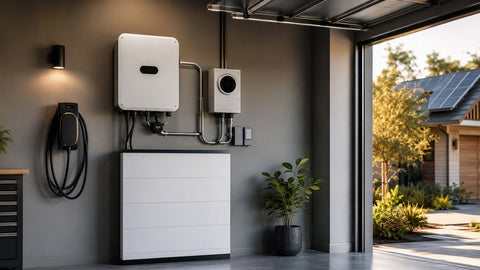
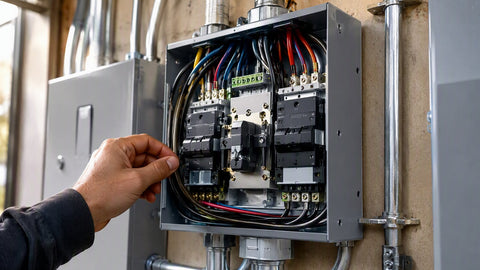
Physically, a hybrid unit contains a PV charge path (MPPT trackers like any solar inverter), a bidirectional battery converter (DC-coupled, typically 48V low-voltage or 300–500V high-voltage stacks), a grid-interactive AC stage, and an internal automatic transfer switch. The intelligence is in the energy management: every second it decides whether solar power should serve the house, charge the battery, or export to the grid — and whether house loads should draw from solar, battery, or grid — based on your tariff, your schedule settings, and the state of charge. A standard grid-tie inverter has one job; a hybrid is running a tiny dispatch center on your wall.
How the Power Flows: Four Modes
| Mode | Power Path | When It Happens |
|---|---|---|
| Self-consumption | PV → loads; surplus → battery | Sunny day, battery not full |
| Battery discharge | Battery → loads | Evening peak, or grid-down |
| Grid pass-through / export | Grid ↔ loads; PV surplus → grid | Battery full, net-metering credit hours |
| Islanded backup | PV + battery → critical loads panel | Grid outage — transfer in ~10–20ms |
That last mode is the differentiator: when the grid drops, the hybrid's transfer relay opens, the unit forms its own 60Hz microgrid, and the critical loads panel never sees more than a flicker — fast enough that computers and networking gear ride through. A plain grid-tie inverter, by legal requirement (UL 1741 anti-islanding), simply dies until the utility returns. Same panels, completely different outcome on outage day.
Hybrid vs String vs Micro vs AC-Coupled
| Attribute | String Inverter | Microinverters | Hybrid Inverter | String + AC-Coupled Battery |
|---|---|---|---|---|
| Backup during outage | No | No | Yes, native | Yes, via battery unit |
| Battery add later | AC-couple only (2nd inverter) | AC-couple only | DC-couple native | Already has it |
| Round-trip efficiency to loads | 97%+ (direct) | 96%+ (direct) | ~95–97% (single conversion) | ~89–92% (double conversion) |
| Panel-level shade handling | Weak | Best | Weak (unless paired with optimizers) | Weak |
| Cost premium vs string (12kW class) | Baseline | +$1,800–$2,800 | +$1,200–$2,500 | +$3,000+ when retrofitted |
| Single point of failure | Yes | No | Yes | Two boxes, two chances |
The efficiency row deserves emphasis because it is the least understood: AC-coupled retrofits convert solar DC→AC→DC into the battery→AC back to the house, paying a conversion toll each way. DC-coupled hybrids convert once. On a 10kWh daily cycle, the difference is roughly 0.8–1.1 kWh/yr-day — call it 300–400 kWh/yr, $50–$70 annually at average rates, plus the avoided second inverter purchase. My default advice in 2026: if there is any chance of a battery in the next five years, buy the hybrid now.
The Benefits, Quantified
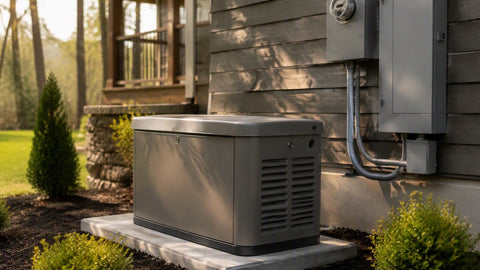
Outage resilience is the headline, but the daily-payoff benefits are subtler. Self-consumption maximization: under weak export rates (2–8¢ vs 15–40¢ import), every kWh cycled through the battery instead of exported is worth the spread — $700–$1,100/yr for a 10kWh daily-cycled battery in California-style tariffs. Time-of-use arbitrage: charge the battery from grid at 12¢ overnight, discharge at 45¢ peak — hybrids schedule this automatically. Demand-charge management for light commercial: shave the 15-minute peaks that set demand charges. Generator integration: most hybrids accept generator input, so a small inverter generator can recharge the bank during multi-day outages instead of running the house directly — fuel sipped, not gulped. And future-proofing: net-metering rules have already changed once in most states; a battery-ready system adapts by configuration, not construction.
Sizing a Hybrid System
Two numbers size the inverter: the continuous AC output it must carry (your backed loads) and the PV input it must harvest. The battery sizes separately in kWh.
| Home Profile | Hybrid Size | PV Array | Battery Bank | Example Hardware Class |
|---|---|---|---|---|
| Cabin / partial backup | 5–6kW | 4–6kW | 10–15kWh | 6–8kW hybrids |
| Average home, critical loads | 8–10kW | 8–12kW | 15–20kWh | Sol-Ark 8K, 10–12kW class |
| Large home, whole-home backup | 12–15kW | 12–18kW | 20–40kWh | EG4 FlexBOSS21, 13–18kW class |
| Light commercial | 15–30kW+ | 20–40kW | 40kWh+ | Stacked hybrids / three-phase |
The sizing rule I apply on every quote: inverter continuous output ≥ the largest simultaneous load cluster you intend to back up (a 3-ton AC with a soft starter, the well pump, or the kitchen circuit set — pick your non-negotiables), and battery kWh ≥ one evening plus one night of those loads. The battery sizing calculator does the kWh side; the inverter side starts with an honest list of what "critical" means in your house, which is always shorter than the first draft.
Battery Pairing: Voltage, Chemistry, and Communications
Three compatibility layers decide whether a hybrid and a battery play well. Voltage class: low-voltage 48V banks (LiFePO4 rack and wall units) dominate residential retrofits; high-voltage 300–500V stacks are sleeker and more efficient but proprietary per brand. Chemistry: lithium iron phosphate (LFP) is the 2026 default — 6,000+ cycle life, thermal stability, no cobalt; the old lead-acid options survive only where upfront cost is everything. Communications: CAN/RS485 closed-loop between battery BMS and inverter lets the battery report state-of-charge and limits precisely; open-loop (voltage-based) works but charges conservatively. Check the inverter's approved-battery list before falling in love with a bargain battery — the list exists because commissioning support ends where it ends. Our LiFePO4 battery range and 48V battery collection pair with the major hybrid brands, and the battery buyer's guide compares the architectures.
Code and Installation Notes That Change the Budget
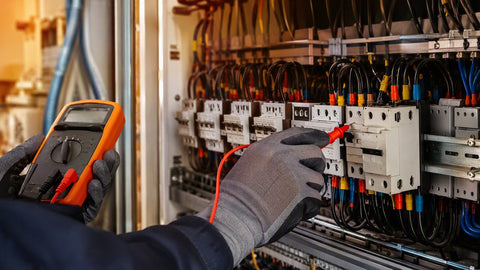
Hybrids add two code chapters to a solar job. NEC 706 governs the energy storage side — disconnects, working clearances, and (in many AHJs) the 2023-era rules on location: garages and exterior walls are easy, living spaces and near bedrooms get restrictive, and individual unit and aggregate kWh caps apply. The interconnection side still lives under 705.12: a 12kW hybrid backfeeding 50A continuous needs the same 125%/62.5A/70A-breaker math as any solar source, and the 120% busbar rule applies unless the system is configured non-export or the tap is supply-side. Whole-home backup variants add a service-rated transfer switch — the "MID" (microgrid interconnect device) class equipment — between meter and panel. Budget line items people forget: the critical-loads subpanel ($400–$900 installed), battery conduit and disconnects ($200–$500), and, in some utilities, a revised interconnection application for storage. None are ruinous; all are cheaper when planned than when discovered. The overview of the inverter family tree is in our hybrid inverter explainer and the inverter buyer's guide.
Where the Technology Is Heading
Three trends visible from our order books. Grid services: hybrids are becoming virtual-power-plant endpoints — utilities and aggregators pay homeowners for dispatchable battery capacity during grid peaks, turning the backup asset into monthly revenue in the states with live programs. Higher-voltage, higher-power residential platforms: 15–18kW single units with 200A transfer ratings are replacing the "critical loads only" philosophy with genuine whole-home backup. EV integration: bidirectional EV charging through the same hybrid bus is arriving — the truck becomes a 100kWh battery the house can sip from. The direction of travel is unambiguous: the inverter is becoming the home's energy router, and the panel-schedule-plus-main-breaker era of residential electrical design is ending. Storage's broader role is covered in what an energy storage system is.
Choosing the Right Hybrid: A Field Checklist

Five questions settle most purchases. Continuous and surge AC rating? Match to your backed-load cluster with 25% headroom; motor starts are where undersized units fall over. PV input capacity and MPPT count? Two trackers minimum for two roof planes; PV oversizing headroom of 1.5× AC rating is normal and desirable. Approved battery list? Long and open beats short and proprietary. Generator input and grid-services certifications? UL 1741 SB/IEEE 1547-2018 unlocks interconnection in strict territories and VPP revenue where offered. Warranty and US support? Ten years standard, and a US support desk that answers — I have sat on hold with overseas support queues so you don't have to, and the brands with domestic support earn their premium on the first commissioning call. Current top performers are compared in our inverter picks roundup, and the live inventory is in the hybrid inverters collection.
Commissioning Day: What Good Looks Like
A proper hybrid commissioning takes two to four hours and produces four artifacts you should keep forever: the programmed settings sheet (charge/discharge windows, reserve floor, export limits), the battery communication confirmation (closed-loop SOC verified against the BMS, not guessed from voltage), a transfer test (grid pulled, loads carried, grid restored — witnessed, not assumed), and the monitoring app handover with alerts enabled. If your installer leaves before the transfer test, you do not know whether you own a backup system; you know whether you own a very expensive grid-tie inverter. Insist on the test, watch the freezer stay on through a deliberate grid pull, and file the settings sheet with your permit documents and warranty registrations in the same folder. Every service call for the next decade starts from those four artifacts, and the calls that start with them are measured in days while the calls without them are measured in weeks of detective work.
Frequently Asked Questions
What is a hybrid solar inverter?
A single unit combining a solar inverter, a bidirectional battery inverter, and an automatic transfer switch — managing panels, battery, home, and grid from one box, including seamless backup during outages.
Can I add a battery to a hybrid inverter later?
Yes — that is the design's core advantage. Install the hybrid now, DC-couple batteries whenever budget or tariffs justify, with no second inverter purchase and no re-wiring of the array.
Do hybrid inverters work during a blackout?
Yes. They island automatically in roughly 10–20 milliseconds, forming a local grid from solar plus battery. Standard grid-tie inverters shut down by law during outages.
What size hybrid inverter do I need?
Match continuous AC output to your backed-load cluster (5–8kW for critical loads, 12–15kW for near-whole-home), and size the battery separately at one evening plus one night of those loads in kWh.
Are hybrid inverters worth the extra cost?
If you will add storage within five years, face outages, or live under weak export tariffs, yes — the premium over a string inverter ($1,200–$2,500) is far less than retrofitting AC-coupled storage later.
Can a hybrid inverter work without batteries?
Yes — it operates as a normal grid-tie inverter until batteries are added. You lose backup capability until then, but the solar savings work from day one.
What a Hybrid System Costs in 2026
Transparency on the money, since hybrid pricing is where quotes get creative:
| Configuration | Equipment (Wholesale) | Installed (Turnkey) | After 30% ITC |
|---|---|---|---|
| 8kW hybrid + 10kWh battery + 8kW PV | $13,000–$17,000 | $24,000–$31,000 | $16,800–$21,700 |
| 12kW hybrid + 20kWh battery + 12kW PV | $20,000–$27,000 | $36,000–$46,000 | $25,200–$32,200 |
| Battery retrofit onto existing 10kW array (hybrid swap) | $9,000–$13,000 | $15,000–$21,000 | $10,500–$14,700 |
Three notes on those rows. The ITC covers the battery standalone now — 3kWh minimum, no solar required — which makes the retrofit row a straight 30% discount. The turnkey spread reflects transfer-equipment choices more than anything: critical-loads subpanel versus whole-home MID is a $1,500–$3,000 swing. And the equipment-to-installed gap is wider than grid-tie-only solar because hybrids add labor categories — battery mounting, transfer work, commissioning, and monitoring setup — that a string-inverter job simply does not have. Buyers comparing a hybrid quote against a plain grid-tie quote are comparing a power system against a bill-reduction appliance; both are legitimate purchases, but only one of them keeps the freezer cold on outage day.
Two Real-World Walkthroughs
The Texas freeze survivor. A family outside Austin, burned by a 40-hour outage, retrofitted their existing 9.6kW array: string inverter swapped for a 12kW hybrid, 20kWh of 48V LFP, critical-loads panel carrying kitchen, primary bedroom, well pump, and network. Total project $18,400 before the credit. Their usage pattern now: solar covers daytime, battery covers 4–9pm peak ($0.38/kWh on their plan), grid covers the cheap overnight. The backup capability they bought it for has run twice — both times the house barely noticed. Their measured self-consumption went from 34% to 81%, which is where the payback actually came from.
The Oregon new build. A 2,600 sq ft all-electric new construction outside Bend: 12.9kW array, 15kW hybrid, 30kWh battery, whole-home MID, and a 50A generator inlet for the multi-day January scenario. Designed before drywall, so conduit and subpanel landed free in the rough-in. The homeowner's winter reality: normal days run solar-to-house-to-battery; storm days island automatically; the generator has run a total of 11 hours in two winters. Design-time integration cost perhaps $1,200 more than retrofit hardware — and saved the $4,000 retrofit labor it would have taken later. Timing is the cheapest component in any hybrid project.
Monitoring and Living With One
Hybrids generate more data than any other residential energy device, and the owners who get the most from them build one habit: a weekly five-minute review. State of charge overnight floor (are you draining to the reserve floor and importing at peak?), solar harvest versus the seasonal expectation, and any fault codes logged. Modern apps make this pleasant — consumption graphs, battery flows, tariff schedule editors. Set the reserve floor deliberately: 20–30% if outages are rare, 40–50% heading into storm season, and revisit it when seasons change. The systems are reliable enough that "set and forget" mostly works; "set and check weekly" works meaningfully better, and it costs less than a streaming subscription's worth of attention.
The Five Mistakes Buyers Make With Hybrids
Undersizing the battery. A 15kW inverter paired with 5kWh of battery is a sports car with a two-gallon tank — size storage to the evening load, not to the budget line. Ignoring surge. Compressor and pump starts demand 3–5× running watts; hybrid surge ratings and soft starters exist precisely for this, and skipping the calculation is how backup systems trip on outage day. Open-loop battery pairing. Unlisted batteries run conservative charge limits and forfeit support; check the compatibility list first. Whole-home ambition on critical-loads hardware. A 5kW hybrid cannot carry central AC no matter what the panel schedule says — pick the architecture that matches the actual goal. Buying before the tariff study. The optimal dispatch settings, battery size, and even the export configuration all depend on your utility's rate sheet; ten minutes of tariff reading changes the design more than any brand choice. I've unwound every one of these for customers who bought first and researched second — the research is cheaper in the other order.
Bottom Line
Hybrid inverters are the future of residential solar in the plainest sense: the policy direction (weaker export rates), the climate direction (more outages), and the technology direction (EVs, VPPs, energy routing) all point at systems that store and dispatch, not just generate. The premium over a string inverter is a few percent of project cost; the capability difference is categorical. Size the inverter to your real backed loads, the battery to your real evening, buy off the approved lists, and check the tariff before the checkout page. Our team specced both walkthroughs above and will spec yours the same way — loads first, hardware second, brand third, with the arithmetic shown. That is the whole method, and it has yet to steer a customer wrong. If you take one sentence from this guide, take this one: buy the inverter for the home you will have in five years — battery, EV, tariff changes and all — because the inverter is the one component that decides what every future upgrade is allowed to be.
Can a Hybrid Go Fully Off-Grid?
Most residential hybrids are grid-interactive units with backup capability — a different product from a true off-grid inverter, though the gap narrows every generation. The distinction that matters: grid-interactive hybrids expect the grid as a reference and a subsidy, and their off-grid endurance depends entirely on your PV-plus-battery budget; dedicated off-grid units are built to run indefinitely with generator support as the assumed backup. For cabins and remote builds, either works if the kWh math closes — array sized to the worst month, battery to 2–3 days of loads, generator for the statistical tail. The mistake is assuming the hardware makes the decision; the load audit makes it. I have seen 6kW hybrids run full-time off-grid homes comfortably and 15kW units fail at it — the difference was always the loads, never the logo. Do the audit first — every circuit you intend to run, its running watts, its surge, and its honest daily hours — and the hardware selection practically makes itself from the tables above. Skip the audit, and no inverter on any shelf anywhere in the world can save the project in the end, ever.
Reliability and the Warranty Reality
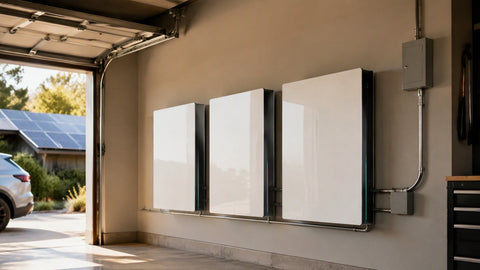
Ten-year standard warranties are the category norm, with a few brands offering 12 or extensions to 20. What the warranty does not cover is what field experience teaches: these are power electronics in thermal cycling environments, and the install details decide lifespan more than the spec sheet. Mount in shade or conditioned space where possible (garage walls beat south-facing exterior brick), respect the clearance requirements (the fans need to breathe), torque the DC and AC lugs to spec (loose lugs are the leading cause of early failures we troubleshoot), and keep firmware current — several brands have shipped meaningfully better dispatch logic via updates to units already on walls. A hybrid installed by the book in a ventilated garage will outlast the same unit roasted on a sun-baked west wall by years. The hardware is tougher than it used to be; the installation is still the variable, and it is the one you control.