The hybrid inverter is the most important box in a modern solar installation — the single device that decides how your panels, batteries, generator, and grid cooperate when everything is normal and when nothing is. Choose well and you get seamless backup, smart peak shaving, and a system that grows with you. Choose poorly and you inherit a decade of error codes. This guide ranks the hybrid inverter brands we actually trust in 2025–2026 installations, with the specs, the battery pairings, and the install realities that don't fit on a datasheet.

We stock and support most of the brands below — Sol-Ark, EG4, Growatt, Victron, GoodWe, SMA, and Fronius among them — and our returns bench has taught us the difference between a good spec sheet and a good inverter. The rankings reflect field behavior: surge reality, firmware quality, support responsiveness, and how each unit treats a generator with dirty power. I've personally commissioned enough of these to know which manuals you can trust at midnight and which ones read like translated wishful thinking. For the broader category context, our hybrid inverter explainer and the top picks roundup are the companion reads, and the sizing calculator turns everything below into your specific numbers.
The 2025–2026 Brand Rankings at a Glance
| Rank | Brand / Flagship | Class | Standout Strength | Honest Weakness |
|---|---|---|---|---|
| 1 | Sol-Ark 15K (SA-8K sibling shown here) | Whole-home hybrid, 48V | Best all-rounder: huge surge, generator-friendly, US support, battery-agnostic | Premium price; fan noise in utility room installs |
| 2 | EG4 18kPV / FlexBOSS21 (FlexBOSS21) | Whole-home hybrid, 48V | Unbeatable price-per-kW; mature monitoring; huge user community | Support queue can stretch in peak season; documentation trails firmware |
| 3 | Victron MultiPlus-II / Quattro ecosystem | Modular inverter/charger, 12/24/48V | Most configurable system on earth; marine-grade reliability; GX monitoring | Component-system complexity; needs a competent designer, not a handyman |
| 4 | Growatt SPH / MIN TL-XH lines | Residential hybrid, 3–11.4kW | Strong value, compact, good grid-tie-plus-backup features | Battery pairing list narrower than leaders; US support thinner |
| 5 | Deye SUN hybrid series | Hybrid, 5–16kW | Feature-dense hardware at aggressive pricing; popular in off-grid builds | Certification/labeling variations by market; verify UL listing for permitted US installs |
| 6 | GoodWe GW-ET / ES series | Residential hybrid, 5–10kW | Solid efficiency, clean monitoring app, UPS-grade transfer times | Backup-side power limits on smaller models; check whole-home claims carefully |
| 7 | SMA Sunny Island / Sunny Boy Storage | AC-coupled hybrid | German engineering depth; excellent grid-code compliance; retrofit-friendly | Price; two-box architectures complicate small installs |
| 8 | Fronius Gen24 Plus | Residential hybrid, 6–10kW | Superb build quality and monitoring; PV Point backup outlet standard | Full-home backup requires additional switching gear; battery ecosystem narrower |
What Actually Matters in a Hybrid Inverter
Datasheets list forty specs; five decide whether the box works for your house. Get these right and the rest is fine print.
1. Continuous and surge power on the backup port. The number that matters in an outage is what the inverter delivers off-grid, not its grid-tie rating. A unit rated 12 kW grid-tie might deliver 8–9 kW on battery with a surge ceiling around 2× for a few seconds. That's the difference between starting a well pump and faulting out with a basement slowly flooding. 2. Battery voltage and chemistry flexibility. 48V LiFePO4 is the modern standard; closed-loop CAN communication with your battery brand is strongly preferable to voltage-only "dumb" operation. 3. Generator input tolerance. If you have or plan a generator, the inverter's AC-coupled or gen-port behavior with non-inverter generators separates the good firmware from the field returns. 4. Transfer time. UPS-grade (<20 ms) keeps computers and medical gear alive; slower transfers reboot the house. 5. Monitoring and support. You will live in the app. A great app with a responsive support desk outvalues a half-point of efficiency every single year of ownership.
Head-to-Head Spec Comparison
| Model | Continuous AC Output | Surge | Battery Voltage | PV Input | Peak Efficiency |
|---|---|---|---|---|---|
| Sol-Ark 15K | 15 kW (62.5A @ 240V) | ~24 kVA, 10 s | 48V | 19.5 kW, 3 MPPT | 96.5–97.5% |
| EG4 18kPV | 12 kW output / 18 kW PV class | ~15.5 kVA, 10 s | 48V | 18 kW, 3 MPPT (600V) | ~97% |
| EG4 FlexBOSS21 | 16 kW | ~21 kVA class | 48V | 21 kW, 3 MPPT | ~97.5% |
| Victron Quattro 48/15000 | 12 kW continuous | 25 kW peak | 48V (12/24/48 family) | via separate MPPTs — system design | ~96% |
| Growatt SPH 10000TL-HU | 10 kW | ~2× short duration | 48V / HV options | 15 kW class, multi-MPPT | ~97.5% |
| Deye SUN-12K-SG04LP3 | 12 kW | ~2× short duration | 48V | 15.6 kW class, 2+1 MPPT | ~97.6% |
| GoodWe GW10K-ET | 10 kW | backup port lower; verify model | High-voltage battery | 15 kW class, 3 MPPT | ~98% |
| Fronius Gen24 Plus 10.0 | 10 kW | PV Point outlet for backup basics | High-voltage battery | 15 kW class, 2 MPPT | ~97.8% |
Two reading notes. First, surge figures are quoted differently by every manufacturer — seconds matter, and "peak" sometimes means half a cycle. When your load list includes a well pump, a compressor, or an A/C without a soft start, ask us to check the surge curve against the locked-rotor amps, not just the headline. Second, efficiency past ~96% is table stakes; don't trade surge capacity or battery flexibility for a half-point of CEC efficiency. Third — and this one bites buyers annually — continuous ratings assume cooling: an inverter in a 110°F garage or a sealed closet derates or faults exactly when summer demand peaks. Ventilation is a spec, even though no brochure lists it. The solar inverter fundamentals post covers the efficiency-rating alphabet soup in detail.
Battery Compatibility: The Pairing Decides the Marriage
A hybrid inverter and its battery communicate constantly — state of charge, charge/discharge limits, temperature, alarms. Closed-loop CAN communication lets the battery's BMS drive; open-loop means the inverter guesses from voltage, which works but gives up precision and protection. The safest pairings in 2026:
| Inverter | Proven Closed-Loop Battery Pairings | Notes From the Field |
|---|---|---|
| Sol-Ark 15K | EG4, Fortress Power, SimpliPhi, Pylontech, Pytes, Discover | Most battery-agnostic of the premium tier; our default for mixed-equipment retrofits |
| EG4 18kPV / FlexBOSS21 | EG4 LL/LL-S/LifePower4, Fortress, Pytes, SOK | Native EG4 pairing is seamless; server-rack batteries make expansion cheap |
| Victron ecosystem | Pylontech, BYD, Discover AES, Simpliphi, many others via CAN | Deepest compatibility list in the industry; Cerbo GX orchestrates everything |
| Growatt / Deye / GoodWe | Brand-matched batteries plus growing third-party lists | Verify the exact battery firmware version on the compatibility list before ordering |
The rule we enforce: never assume compatibility from voltage alone. A 48V battery that isn't on the inverter's CAN list will run open-loop, and open-loop LiFePO4 misestimates state of charge badly in flat voltage territory — the pack reads 60% full until the moment it reads empty. Either pick a listed pairing or pick an inverter famous for battery-agnostic behavior. The EG4 vs Powerwall comparison covers the biggest cross-ecosystem question we get, and the battery bank sizing guide handles the kWh math.
Sizing: Matching the Inverter to the House
Size the inverter to the loads it must carry off-grid, not to the solar array — the array sizes the PV input, which is a separate number. The working math: sum your critical loads' running watts, add the largest motor surge, keep continuous draw under 80% of rated output, and confirm the PV input accepts your array's Voc at record-low temperature with bifacial gain if applicable.
| Home / System Profile | Recommended Inverter Class | Battery Bank Floor | Typical Array |
|---|---|---|---|
| Cabin / small off-grid | 3–6 kW (off-grid class) | 5–10 kWh (5 kWh modules) | 2–5 kW |
| Typical suburban backup | 8–12 kW (10–12kW hybrid class) | 10–20 kWh (10 kWh–15 kWh) | 8–13 kW |
| Large home / whole-home backup | 15–16 kW or paralleled pair | 20–40 kWh (20 kWh+) | 13–20 kW |
| Light commercial / farm | Paralleled 15K+ or 3-phase (split-phase/commercial lines) | 40 kWh–100 kWh+ | 20–60 kW |
The inverter sizing calculator runs this math against your actual load list, and the inverter buyer's guide covers the AC- vs DC-coupled decision that frames everything above. If you're pairing a generator, tell us the model — generator compatibility is a firmware question, and the answer varies more than any brochure admits.
Installation Notes From Our Bench
A few lessons we've learned the hard way so you don't have to. Mount the inverter where its fans won't drive anyone crazy — a 15K under load is workshop-loud, and garage or utility-room mounting beats living-room-adjacent every time. Give the DC side real wire: 15 kW at 48V is over 300 amps, which means 4/0 copper or parallel runs, proper lugs, and torque to spec — the ampacity chart and our NEC sizing guide have the tables. Budget for the rapid-shutdown and disconnect requirements of NEC 690.12 and 690.15; inspectors check, and the disconnect guide maps the requirements. And update firmware before commissioning, not after the first weird fault code — half the "defective" units we've bench-tested were two firmware versions behind.
The Bottom Line

For most American homes wanting whole-home backup with room to grow: Sol-Ark 15K if budget allows, EG4 18kPV or FlexBOSS21 if value leads — both in the hybrid inverter collection. For maximum configurability and component-grade builds: Victron, with a designer who knows the ecosystem. For straightforward residential hybrid at European build quality: Fronius or SMA, accepting their backup limitations. Growatt, Deye, and GoodWe fill the aggressive-value middle — verify certifications and battery lists for your jurisdiction before committing. Whatever you choose, the inverter is a 10–15-year decision wearing a 10-year warranty. Buy the support network as much as the silicon. Call the shop with your load list and your battery plan; matching those three things is most of the job.
One closing observation from this side of the counter. Five years ago, the hybrid conversation was exotic — early adopters, off-grid enthusiasts, the technically brave. Today it's the default question on every solar quote we write, and the hardware has matured to meet it: transfer times that keep the WiFi alive, apps your parents can read, batteries that stack like server equipment. The remaining frontier isn't the technology. It's the design discipline — honest load lists, verified battery pairings, realistic surge math. Get those right and any of the top five brands in this guide will serve you for a decade or more. Skip them and even the best box on the market becomes an expensive source of error codes. We'd rather help you get it right the first time; that's literally what the phone line is for.
Grid-Tie, Backup, or Off-Grid: Match the Architecture First
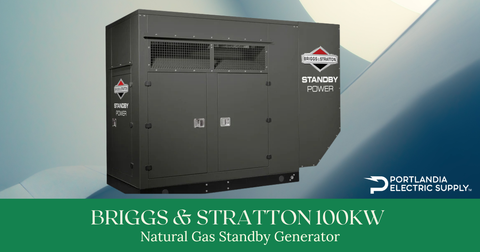
Hybrid inverters blur three jobs into one box, but they don't blur them equally, and matching the machine to the mission comes before brand loyalty. A grid-tie-plus-backup install — panels, battery, and a grid that exists — is the residential mainstream: the inverter optimizes self-consumption daily and stands ready for outages. The leaders here are Sol-Ark and EG4 on the value-power axis, with GoodWe and Fronius serving utility-friendly markets. A true off-grid install inverts the priorities: the inverter is the grid, so surge capacity, idle consumption, and generator integration dominate the checklist — this is Victron's home turf, with Sol-Ark and Deye chasing hard. And a storage-ready grid-tie install — hybrid hardware running without batteries today — buys future flexibility at a modest premium, a legitimate strategy when battery incentives or budgets haven't lined up yet.
The mistake pattern we see at the counter every single week of the year: buyers choosing an expensive hybrid inverter optimized for a job they simply don't actually have. An off-grid cabin doesn't need utility-interactive certifications; a suburban backup system doesn't need a 48-input component ecosystem. Write down which of the three jobs is yours before you open a single product page. Half the brand debate evaporates the moment you do.
Monitoring, Firmware, and the Ownership Experience
You'll interact with your inverter's app more than its chassis, and the software gap between brands is wider than the hardware gap. Victron's VRM portal is the gold standard for data nerds — every watt, every alarm, remote configuration, years of history. Sol-Ark's monitoring is clean and homeowner-friendly; EG4's has matured from rough edges into a genuinely useful tool backed by the largest owner community in the value tier, which matters more than it sounds — the answer to your midnight question usually exists in a forum before support opens. Growatt and Deye apps do the job with occasional translation quirks. SMA and Fronius deliver the polished, utility-grade experience their price tags promise.
Firmware discipline deserves its own paragraph. Hybrid inverters are computers that move kilowatts, and their behavior improves (and occasionally regresses) with updates. Our commissioning checklist includes updating to current stable firmware before handover and registering the unit for update notifications. The returns bench statistics are unambiguous: a large share of "defective" hybrids we've tested were simply two firmware versions behind a known fix. Update first, escalate second.
Certifications, Warranties, and the Pre-Purchase Checklist
Before any hybrid inverter goes on a permitted US install, verify the listing stack: UL 1741 (including the SB supplement for grid-interactive behavior) and IEEE 1547 compliance are the permit baseline, and some jurisdictions now require UL 1741 SB with smart-inverter functions enabled. California's CEC inverter list remains the fastest verification shortcut — if it's listed there, the certification homework is done. This is where some aggressively priced imports stumble: hardware exists in both certified and non-certified variants, and the model number on the label is the only truth. Check it against the listing, not the marketplace listing title.
Warranties run 5 to 10 years standard across the category, with extensions available from the premium brands. Read what the warranty covers in year nine — parts only, or parts and labor and freight — and who services claims: a US support desk with parts on the shelf beats a global email queue at 3 a.m. your time. Keep the commissioning report, the firmware version log, and the purchase invoice together; warranty claims live and die on that folder. And register the product on day one. Unregistered inverters are how ten-year warranties quietly become five.
AC-Coupled vs. DC-Coupled: The Fork in the Road
Underneath the brand debate sits an architecture decision that shapes retrofit versus new-build economics. DC-coupled hybrids — Sol-Ark, EG4, Deye, Growatt — connect panels and batteries on the DC side of a single conversion stage: one box, one conversion loss, high round-trip efficiency, and clean new-build economics. AC-coupled systems — Victron's inverter/charger with separate MPPTs, SMA's Sunny Island paired with a Sunny Boy, or a Powerwall-style battery behind an existing string inverter — put the battery on the AC side, which costs a conversion step but retrofits onto any existing solar array without touching the roof wiring.
The practical rule: new builds and full replacements favor DC-coupled hybrids for efficiency and simplicity. Existing arrays with years of inverter life left favor AC coupling — keep the string inverter, add the battery system behind it, and nobody touches the roof. Both architectures reach the same destination; the road tolls differ. Our buyer's guide diagrams both topologies if you want the wiring-level picture before you commit.
Five Mistakes We See Hybrid Buyers Make
1. Sizing to the array instead of the backup loads. The PV input rating and the AC output rating are different numbers doing different jobs. A 15 kW-PV unit that delivers 8 kW off-grid won't start your well pump no matter how big the array behind it is.
2. Assuming battery compatibility from voltage. 48V is a rail, not a protocol. Closed-loop CAN pairing with a listed battery is the difference between a system that knows its state of charge and one that guesses. Check the compatibility list — the exact model, the exact firmware.
3. Ignoring idle consumption. Every hybrid burns watts just staying alive — 30W to 100W+ depending on the unit. Off-grid in winter, that idle draw can eat 1–2 kWh a day of your harvest. It belongs in the sizing spreadsheet and almost never appears there.
4. Mounting it where the fans will haunt you. A loaded 15 kW hybrid is workshop-loud. Garage, utility room, or exterior-rated wall — never adjacent to living space. This costs nothing at design time and goodwill forever if ignored.
5. Skipping the commissioning update and registration. Firmware first, registration second, then handover. Ten-year warranties quietly shrink for unregistered units, and half the early fault codes we troubleshoot were fixed two firmware versions ago.
The Economics: What a Hybrid System Actually Costs in 2026
Hardware first: value-tier 12 kW-class hybrids (EG4, Deye, Growatt) run roughly $2,500–3,500 for the inverter; premium whole-home units (Sol-Ark 15K) run $6,500–8,000; Victron ecosystems price by component and typically land between those poles once the GX device, MPPTs, and distribution join the list. Batteries now dominate system cost: 48V LiFePO4 rack modules have fallen to the point where 10 kWh of quality storage costs what 5 kWh did three years ago — one reason server-rack battery builds outsell wall-mount units in our DIY-heavy customer base. A complete 12 kW / 20 kWh hybrid system, professionally installed, typically prices in the $28,000–40,000 range before incentives depending on roof work, service upgrades, and jurisdiction.
On the incentive side, honesty required: the residential 25D credit expired at the end of 2025 under OBBBA, which shifted the residential economics toward cash-flow payback rather than tax equity, while commercial storage retains ITC pathways with FEOC and domestic-content strings attached. State and utility programs fill some of the gap — our incentives-by-state tracker stays current. The payback case for hybrids in 2026 rests increasingly on outage value and rate arbitrage — time-of-use spreads and demand charges — rather than tax credits, which is exactly why the inverter's software quality matters as much as its power rating. A hybrid that shaves peaks intelligently earns its keep daily; one that only works during outages is insurance, priced accordingly.
Frequently Asked Questions
The six questions below account for most of the hybrid-inverter consultations we run. Yours will have specifics — load lists, battery plans, jurisdiction — that a five-minute call settles faster than an afternoon of forum scrolling.
What is the best hybrid solar inverter brand in 2025–2026?
For whole-home backup, Sol-Ark (15K) leads on surge capacity, generator tolerance, and battery flexibility, with EG4 (18kPV, FlexBOSS21) close behind at a lower price. Victron wins for modular and off-grid system design, while Fronius and SMA lead European-grade residential hybrids. The best choice depends on your backup loads, battery pairing, and local support availability.
What size hybrid inverter do I need for my home?
Size to the loads the inverter must carry off-grid: sum critical-load running watts, add the largest motor's starting surge, and keep continuous draw under 80% of rated output. Typical suburban homes land at 8–12 kW; whole-home backup with central air usually needs 15–16 kW or paralleled units. The solar array sizes the PV input separately and can exceed the AC output rating.
Can a hybrid inverter work with a generator?
Yes — most quality hybrids accept generator input through a dedicated gen port or AC coupling, charging batteries and carrying loads simultaneously. Sol-Ark and Victron are notably tolerant of non-inverter generators with imperfect power quality. Verify your specific generator model against the inverter's documented compatibility, as firmware behavior varies widely.
Do hybrid inverters work without batteries?
Most do — they operate as sophisticated grid-tie inverters until batteries are added later, which makes them a common "storage-ready" choice. However, a battery-less hybrid provides no backup during outages (anti-islanding rules shut it down with the grid), and you pay a premium for capability you're not yet using. Add storage when rates, outages, or incentives justify it.
Which batteries are compatible with hybrid inverters?
It depends on the inverter's communication protocol list. Sol-Ark pairs closed-loop with EG4, Fortress, SimpliPhi, Pylontech, and others. EG4 units pair natively with EG4 rack batteries. Victron supports the industry's widest CAN list. Batteries not on the list run open-loop from voltage alone, which sacrifices state-of-charge accuracy and protection features — always verify the exact battery model and firmware before purchasing.
Hybrid inverter vs. separate inverter plus charge controller — which is better?
For most homes, an integrated hybrid wins: one box, one monitoring app, one warranty conversation, and seamless transfer in outages. Component systems (like Victron's inverter/charger plus separate MPPTs) win for large, unusual, or expandability-critical builds — boats, RVs, complex off-grid sites — where each component can be sized and replaced independently. Complexity is the price of flexibility.