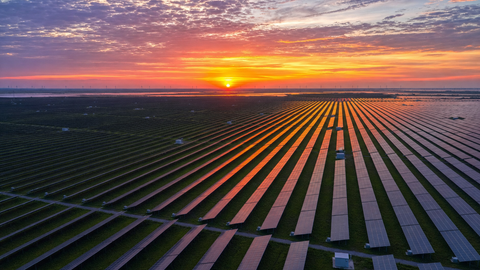
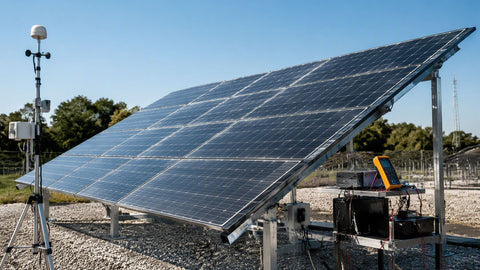
The rise of floating solar farms, also known as floating photovoltaics, is revolutionizing renewable energy by harnessing the potential of solar energy on water bodies. These innovative solar projects involve installing solar panels on water surfaces, allowing for substantial solar energy production while minimizing land use. The cooling effect of the water helps enhance the efficiency of solar modules, addressing the common challenge of evaporation in traditional installations.
By using floating platforms to support solar arrays, these systems can be deployed on reservoirs and other large bodies of water, thus reducing the environmental impact associated with land-based solar power. The world's largest floating solar installations are proving that this technology can complement existing offshore wind farms and wind farms, creating a synergistic approach to clean energy generation. As the demand for solar energy continues to grow, floating solar offers a sustainable solution that maximizes land efficiency while tapping into the vast potential of our water surfaces.
Floating solar farms represent an innovative floating solar solution for harnessing renewable energy, allowing solar developers to maximize energy generation in areas where land is limited or unsuitable for land-based solar farms. By installing floating solar panels on bodies of water, these systems not only generate solar power but also help mitigate issues such as algae growth, which can thrive in sunlight-exposed water. This impact of floating solar extends beyond energy production, contributing to a healthier aquatic environment and enhancing the overall performance of solar panels by keeping them cooler and more efficient.
As a leader in floating solar technology, many countries are now considering solar solutions that combine floating photovoltaic systems with offshore wind energy developments. The energy needs of a growing global population demand innovative approaches, and floating solar farms reduce the competition for land resources while providing a sustainable energy system. Installing floating solar panels is proving to be an exciting and effective way to meet these needs, showcasing the potential of solar engineering in the fight against climate change.
How Do Floating Solar Panels Work?
Floating solar is an exciting innovation in the solar industry that addresses the growing demand for renewable energy while maximizing available space. As land is scarce in many regions, especially in densely populated areas, floating solar panels can also provide a viable solution. By utilizing floating structures on bodies of water, these systems can effectively harness solar energy while minimizing the environmental impact associated with land-based solar installations.
The first floating solar projects emerged as floating solar pv systems that comprise a floating solar array. These panel systems are designed to float on water surfaces, allowing them to benefit from natural cooling, which can significantly reduce overheating and enhance efficiency. Moreover, floating systems contribute to energy generation without occupying valuable land, thus paving the way for a more sustainable approach to solar energy production.
What Are the Key Components of a Floating Solar Farm?
One of the key components of a floating solar farm is its use of floating solar power systems, which differentiate them from conventional solar installations. These floating PV systems are designed to harness floating solar energy on bodies of water, offering a unique solution that combines energy and water for optimal efficiency. The innovative design allows these systems to generate clean energy while minimizing land usage, a significant advantage in regions where land is scarce or expensive.
The benefits of floatovoltaics extend beyond just land conservation. By alleviating water evaporation and reducing algae growth, floating solar farms contribute positively to water quality. As a part of the broader spectrum of renewable energy technologies, they embody innovation in renewable energy and enhance offshore renewable energy efforts. By integrating these systems into our renewable energy sources, we can significantly increase our capacity to generate clean energy and combat climate change.
Where Are Floating Solar Installations Typically Found?
Floating solar installations are typically found in a variety of locations that benefit from ample sunlight and water surfaces. Reservoirs are one of the most common sites for these systems, as they not only provide a large area for solar panels but also help reduce evaporation and algae growth.
In addition to reservoirs, floating solar panels are often installed on ponds and lakes. These bodies of water can be ideal for solar energy generation, especially in regions where land is scarce or expensive. The cool water temperature can also enhance the efficiency of the solar panels, making them more productive.
Another emerging trend is the use of floating solar on coastal areas and marinas, where they can harness energy while being integrated into existing water infrastructure. This innovative approach not only maximizes land use but also contributes to sustainability efforts by utilizing otherwise underused aquatic spaces.
Floating solar technology offers numerous benefits that make it an attractive option for renewable energy generation. One of the primary advantages is that it maximizes land use efficiency by installing solar panels on bodies of water, such as lakes and reservoirs, thus conserving valuable land space for agriculture or natural habitats.
Additionally, floating solar systems can reduce water evaporation from these bodies, helping to maintain water levels and conserve water resources, particularly in arid regions. This dual benefit supports both energy production and water management, making it a sustainable solution.
Moreover, the cooling effect of water can enhance the efficiency of solar panels, leading to higher energy output compared to traditional land-based installations. This increased efficiency can translate into greater energy generation without the need for additional land.
Lastly, floating solar installations are less prone to land-use conflicts and can often be deployed more quickly than traditional solar farms, allowing for faster integration into the energy grid and contributing to renewable energy targets.
How Do Floating Solar Farms Enhance Renewable Energy Production?
Floating solar farms represent a significant advancement in the field of renewable energy production. By utilizing bodies of water such as lakes, reservoirs, and even oceans, these innovative installations maximize solar energy capture without occupying valuable land space. This is particularly beneficial in regions where land availability is limited or where agricultural use is prioritized.
Additionally, floating solar panels can enhance energy efficiency by keeping the solar cells cooler, which improves their performance compared to traditional ground-mounted systems. The water surface helps to regulate the temperature of the panels, reducing the risk of overheating and ensuring optimal energy output throughout the day.
Moreover, these farms can contribute to water conservation by reducing evaporation rates from the bodies of water they cover. This dual benefit not only boosts energy generation but also aids in maintaining water levels in critical ecosystems, showcasing the multifaceted advantages of floating solar technology.
What Environmental Benefits Do Floating Solar Systems Provide?
Floating solar systems offer a range of significant environmental benefits that contribute to sustainability and conservation efforts. By utilizing bodies of water, these systems help to minimize land use, preventing habitat destruction and preserving terrestrial ecosystems. Additionally, they reduce the evaporation of water, which is particularly beneficial in arid regions, thereby conserving precious water resources.
Moreover, floating solar installations can improve water quality by reducing algal blooms, as they limit sunlight penetration and suppress the growth of harmful microorganisms. This not only enhances aquatic ecosystems but also promotes healthier water for local communities.
Furthermore, integrating floating solar systems with existing water infrastructure, such as reservoirs or lakes, can significantly lower the carbon footprint associated with energy production. By harnessing solar energy in this manner, we can transition to a more sustainable energy model while simultaneously addressing environmental challenges.
How Do Floating Solar Panels Improve Water Quality?
Floating solar panels not only generate renewable energy but also provide significant benefits to water quality. By covering water surfaces, they reduce algal blooms that often thrive in sunlight. These blooms can deplete oxygen levels, harming aquatic life. The shade provided by floating solar installations helps maintain lower water temperatures, which is crucial for preserving ecosystems and promoting biodiversity.
Furthermore, these installations can help reduce evaporation rates, leading to better water conservation. By minimizing the amount of water lost to evaporation, floating solar panels support water supply sustainability, especially in arid regions.
Lastly, the presence of floating solar panels can mitigate the impact of pollutants entering the water body. They can act as a barrier, reducing wind and wave action that stirs up sediments and harmful substances from the bottom, thus improving overall water quality.
Floating solar installations are designed to harness solar energy on bodies of water, providing an innovative solution to land scarcity. The installation process begins with conducting a thorough site assessment to determine the suitability of the water body, including factors like depth, wave action, and environmental impact.
Once the site is deemed appropriate, floating platforms made from durable, buoyant materials are engineered to support solar panels. These platforms are anchored securely to the waterbed to prevent movement caused by wind or current.
Next, solar panels are mounted onto the platforms, typically using a modular design that allows for easy assembly and maintenance. The panels are connected to an inverter system that converts the direct current (DC) generated into alternating current (AC) for use in the power grid.
Finally, the entire system is connected to the local electrical infrastructure, allowing the clean energy generated to be distributed efficiently.
What Are the Steps in Floating Solar Installation?
Floating solar installation involves several key steps to ensure successful deployment and operation. First, a thorough site assessment is conducted to evaluate the water body’s conditions, including depth, wave patterns, and environmental impact. This step is crucial for determining the suitability of the location for floating solar panels.
Next, the design phase begins, where engineers create a plan that includes the layout of the solar panels, anchoring systems, and electrical connections. This phase also considers local regulations and permits required for installation.
Once the design is finalized, the construction phase follows, which involves assembling the floating platform and installing the solar panels on it. This may require specialized equipment to transport and secure the structure in place.
Finally, the commissioning process ensures that all systems are operational, followed by ongoing maintenance to keep the installation efficient and functional over time.
What Challenges Are Faced During Installation of Floating Solar Farms?
The installation of floating solar farms presents several significant challenges that can impact their effectiveness and feasibility. One of the primary concerns is the structural integrity of the floating platforms, which must withstand harsh weather conditions, including strong winds and heavy rainfall. This necessitates careful engineering to ensure durability and stability.
Additionally, the environmental impact of floating solar installations must be thoroughly assessed. Potential effects on local aquatic ecosystems, including fish populations and water quality, require comprehensive studies and mitigation strategies to minimize disruption.
Moreover, logistical issues such as accessibility and maintenance pose challenges, as the remote locations of many water bodies can hinder the transport of materials and personnel. Finally, regulatory hurdles and securing necessary permits can complicate the installation process, demanding careful navigation of governmental guidelines and environmental regulations.
What Innovations Are Helping with Floating Solar Installations?
Floating solar installations have gained traction due to several groundbreaking innovations that enhance their efficiency and viability. One significant advancement is the development of buoyancy materials that are both lightweight and durable, allowing solar panels to remain stable and functional on water surfaces. These materials are designed to withstand harsh environmental conditions while minimizing maintenance needs.
Additionally, advanced tracking systems have been integrated into floating solar designs. These systems allow panels to follow the sun's trajectory, maximizing energy capture throughout the day. Coupled with smart grid technology, these installations can efficiently manage energy distribution, ensuring that power generated is optimally utilized.
Moreover, innovations in anchoring systems have improved the stability of floating solar farms, reducing the risk of displacement due to waves or currents. Overall, these advancements are making floating solar a more attractive and sustainable energy solution.
Floating solar farms are an innovative alternative to traditional ground-mounted solar farms, offering several advantages. One of the primary benefits is the efficient use of space; by utilizing bodies of water, these systems can minimize land use conflicts, particularly in densely populated areas or regions with limited available land. Additionally, the water beneath floating solar panels helps keep them cooler, potentially increasing their efficiency and energy output compared to traditional installations exposed to direct sunlight and heat.
Moreover, floating solar farms can reduce water evaporation from reservoirs, contributing to water conservation in regions facing drought. However, they might come with higher initial installation costs and engineering challenges due to the aquatic environment. In contrast, traditional solar farms, while generally easier to install, can lead to habitat disruption and land degradation. Ultimately, the choice between these two options depends on local conditions, regulatory frameworks, and the specific energy needs of the region.
What Are the Differences in Energy Generation Between Floating and Land-based Solar?
Floating solar systems are installed on bodies of water, utilizing the surface area of lakes, reservoirs, and oceans. This setup helps to minimize land use and can reduce water evaporation, contributing to overall efficiency. The cooling effect of water can also enhance the performance of the solar panels, leading to higher energy generation compared to traditional methods.
On the other hand, land-based solar installations are typically set up in open fields or rooftops. These systems often require significant land space and can lead to habitat disruption. However, they generally have lower installation costs and can be easily integrated into existing infrastructure. The energy output from land-based solar can be affected by shading and land terrain, which may not be a concern for floating systems.
In summary, while both floating and land-based solar systems contribute to renewable energy generation, their differences in location, environmental impact, and efficiency can influence their overall effectiveness in various applications.
What Are the Cost Implications of Floating Solar vs. Traditional Solar?
Floating solar installations often come with higher initial capital costs compared to traditional solar systems. This is primarily due to the specialized materials and engineering required to support solar panels on water surfaces, which can include robust floating platforms and anchoring systems. However, these costs can be offset by the unique advantages floating solar offers, such as reduced land use and enhanced energy generation efficiency due to cooler water temperatures that help maintain optimal panel performance.
Moreover, floating solar can lead to lower operational costs in certain contexts, as the water surface may mitigate issues like dust accumulation and overheating that traditional installations face. Additionally, floating systems can potentially generate higher electricity yields, which can improve return on investment over time. In contrast, traditional solar installations benefit from a more established market and lower installation costs, making them more accessible for widespread adoption.Ultimately, the decision between floating solar and traditional solar should consider not only initial costs but also long-term benefits, site-specific conditions, and potential incentives that could influence overall financial viability.
How Does Land Use Affect the Choice Between Floating and Ground-mounted Solar?
Land use plays a critical role in determining the choice between floating and ground-mounted solar installations. When land is scarce or primarily used for agriculture, installing floating solar systems on bodies of water can maximize energy generation without compromising valuable land resources. This approach is particularly beneficial in regions where land competition is high, allowing for dual land use for both energy generation and farming.
Conversely, ground-mounted solar systems are often preferred in areas where ample land is available and can be developed without significant ecological disruption. These systems can be installed on rooftops, parking lots, or previously disturbed lands, minimizing the impact on natural habitats. Additionally, the choice may also depend on local regulations, infrastructure, and community acceptance, which can further influence the feasibility and design of solar energy projects.
As global energy demands continue to rise, the future of floating solar farms appears increasingly promising. These innovative installations utilize large bodies of water, such as lakes and reservoirs, to host solar panels, thereby minimizing land use and reducing competition with agriculture. One of the key advantages of floating solar technology is its ability to enhance energy efficiency; the cooling effect of water can boost the performance of solar panels, thereby increasing overall energy output.
Moreover, the implementation of floating solar farms plays a significant role in combating climate change. By harnessing solar power in otherwise unused spaces, these farms contribute to the reduction of greenhouse gas emissions while preserving valuable land resources. As advancements in solar technology and environmental policies continue to evolve, we can expect to see a surge in the adoption of floating solar systems worldwide.
Furthermore, the integration of energy storage solutions and smart grid technology will enhance the viability of floating solar farms, ensuring a stable energy supply even during periods of low sunlight. Overall, with ongoing investments and research, floating solar farms are poised to become a critical component of the future renewable energy landscape.
What Trends Are Driving the Rise of Floating Solar Farms?
The rise of floating solar farms is driven by several interrelated trends that prioritize sustainability and efficient land use. As urbanization continues to spread, land scarcity has become a pressing issue, prompting the exploration of alternative spaces for solar energy production. Floating solar farms capitalize on this by utilizing bodies of water, thereby preserving valuable land for agriculture and habitation.
Additionally, the increasing focus on renewable energy to combat climate change has spurred investments in innovative technologies, including floating solar systems. These installations not only generate clean energy but also reduce water evaporation and improve the efficiency of solar panels by keeping them cooler.
Furthermore, advancements in floating structures and materials have made these systems more viable and cost-effective. As governments and private sectors aim for ambitious net-zero emissions goals, the adoption of floating solar technology is expected to accelerate, making it a key player in the global energy transition.
How Might Floating Solar Technology Evolve in the Coming Years?
In the coming years, floating solar technology is expected to evolve significantly, driven by advancements in materials and design. Innovations in lightweight photovoltaic panels will enhance buoyancy and efficiency, allowing for greater energy generation on water bodies. This could lead to the proliferation of floating solar farms in diverse environments, from reservoirs to coastal areas, maximizing land use while minimizing ecological impact.
Moreover, integration with energy storage systems will likely become more prevalent. By pairing floating solar installations with batteries, energy can be stored and utilized during peak demand periods, improving grid stability. Additionally, the use of AI and IoT technologies for real-time monitoring and maintenance will optimize performance, ensuring that these systems operate at peak efficiency.
Finally, as governments and industries increasingly prioritize renewable energy, floating solar technology may benefit from enhanced regulatory support and funding, accelerating its adoption worldwide. This convergence of innovation and policy could position floating solar as a cornerstone of sustainable energy solutions for the future.
What Role Do Floating Solar Farms Play in Global Renewable Energy Goals?
Floating solar farms are emerging as a significant player in the pursuit of global renewable energy goals. These innovative installations utilize bodies of water, such as lakes and reservoirs, to deploy solar panels, which not only helps in generating clean energy but also reduces land use conflicts. By harnessing the sun's energy in these locations, floating solar farms can contribute to the transition away from fossil fuels, thus aiding in the reduction of greenhouse gas emissions.
Additionally, floating solar farms can help improve energy efficiency by reducing evaporation from water bodies, which is particularly beneficial in arid regions. This dual benefit enhances water management while simultaneously generating power. As governments and organizations strive to meet their climate commitments under international agreements like the Paris Accord, the implementation of floating solar technology represents a scalable solution that aligns with sustainable development goals.
Calculate how much storage you need with our battery sizing calculator.
Check solar incentives available in your state.
Use our free solar system calculator to size your array.
Check out our Solar Panel Comparison Tool. Check out our Inverter Sizing Calculator.
Calculate your solar payback and 25-year savings with our Solar ROI Calculator. Follow our complete DIY solar installation guide for step-by-step instructions. Keep your system running at peak performance with our Solar Maintenance Guide.
Related Products


The engineering case for floating PV rests on arithmetic you can check. The water's thermal mass keeps modules cooler, and cooler crystalline cells produce more power — the same temperature-coefficient physics that governs every rooftop, working in your favor for once. With a typical value of −0.35%/K for Pmax, a 10°C reduction in average cell temperature is worth about 3.5% more energy; field studies of operating floating plants commonly report total yield gains in the 5–10% band once cooler operation and reduced soiling are combined.
| Metric | Ground-Mount 1 MW Reference | Floating 1 MW Same Climate | Difference |
|---|---|---|---|
| Annual yield (4.5 sun-hr climate, 20% losses) | 1,000 kW × 4.5 × 365 × 0.80 = 1,314 MWh | 1,314 × 1.06 = 1,393 MWh | +79 MWh/yr (+6%) |
| Revenue at $60/MWh wholesale | $78,840/yr | $83,580/yr | +$4,740/yr per MW |
| Land required | ~4–6 acres of developable land | ~2–3 acres of water surface | Zero land consumption |
| CapEx premium | Baseline | +10–15% (floats, anchoring, marine cable) | Recovered by yield + land savings |
Evaporation savings add a second revenue-adjacent stream, especially for irrigation districts and municipal water utilities. Covering even part of a reservoir surface cuts evaporation meaningfully — studies in arid regions commonly cite on the order of a million gallons per acre of covered surface per year:
| Reservoir Surface | Coverage 30% | Estimated Evaporation Avoided* | Households' Annual Water Use Equivalent** |
|---|---|---|---|
| 50 acres | 15 acres | ~15–19M gallons/yr | ~140–175 households |
| 200 acres | 60 acres | ~60–75M gallons/yr | ~550–700 households |
| 1,000 acres | 300 acres | ~300–375M gallons/yr | ~2,800–3,500 households |
*Using the commonly cited arid-climate range of roughly 1.0–1.25M gallons saved per covered acre per year; local pan-evaporation data governs any real feasibility study. **At ~300 gallons per household per day. These are planning figures, not guarantees — but they're the right order of magnitude for a first-pass business case.
Floating vs. Ground-Mount vs. Rooftop: The Honest Trade Table
| Factor | Floating | Ground-Mount | Commercial Rooftop |
|---|---|---|---|
| CapEx per watt | Highest (+10–15% vs ground) | Baseline | Baseline to +10% (labor) |
| Energy yield | +5–10% (cooling effect) | Baseline | −0–5% (heat, suboptimal tilt) |
| Land consumption | None | 4–6 acres/MW | None (existing roof) |
| Permitting complexity | Water rights + environmental review | Land use + grading permits | Structural + electrical |
| O&M access | Boat/walkway dependent | Easiest | Moderate (roof safety) |
| Best owner | Water utilities, irrigation districts, hydropower operators | Utilities, IPPs, large C&I | Building owners with load on-site |
The DC and AC math doesn't change because the array floats — NEC 690.7 cold-voltage correction still sizes maximum string voltage (1.12 at −5°C up to 1.25 at −40°C for crystalline modules), and NEC 690.8's 125% continuous factor still sizes conductors and overcurrent devices from Isc and inverter output current. What changes is everything physical: cable routing across a moving surface, corrosion classes, junction protection, and grounding of floating structures. The checklist we run on floating balance-of-system:
| Design Element | Floating-Specific Requirement | Common Failure When Ignored |
|---|---|---|
| DC string cable | Marine-rated, UV- and submersion-tolerant, supported off the water surface | Insulation breakdown and ground faults within 3–5 years |
| Connectors | IP68 mated pairs, strain-relieved against wave motion | Fretting corrosion, arc faults at the float line |
| Combiners & junctions | Mounted above maximum wave/wake height, NEMA 4X minimum | Water ingress during storm surge or boat wake events |
| Anchoring & mooring | Engineered for wind, wave, and water-level fluctuation at the specific reservoir | Array drift, cable over-tension, shoreline collisions |
| Grounding/bonding | Bonding of metallic floats and frames per NEC 250 / 690-series logic, corrosion-rated hardware | Stray-current corrosion and failed inspections |
| Inverter placement | Shore-side or on engineered central platforms with marine cable runs | Undersized AC cable runs eating the cooling yield gain |
Our grounding and bonding guide covers the NEC Article 250 fundamentals, and the NEC code compliance guide collects the 690-series tables used in the string math above — both apply verbatim over water, with the marine environment raising the hardware grade, not the arithmetic.
What We've Learned Supplying Water-Side Solar
- I've spec'd marine cable for two reservoir projects now, and both times the cheaper "it'll be fine" PV wire quote came back within the year as a change order — water finds every shortcut in cable jackets.
- My first question on any floating inquiry is who owns the water and what the level fluctuation is; a 30-foot seasonal drawdown changes the entire mooring design, and I've seen a feasibility study die on that single unasked question.
- On an irrigation-district pilot we supplied, the district cared more about the evaporation savings than the megawatt-hours — the power revenue was the bonus, the water was the mission; that priority flip is common and it changes how you should pitch these projects.
- We always tell EPCs to budget the bathymetric survey early; anchoring into an unmapped reservoir bottom is how schedules slip by quarters, not weeks.
How much more energy does floating solar produce than ground-mount?
Operating plants typically report 5–10% higher annual yield, driven by cooler cell temperatures (each 10°C of cell cooling is worth about 3.5% at a −0.35%/K temperature coefficient) plus reduced soiling. A 1 MW array producing 1,314 MWh on land gains roughly 79 MWh per year floating in the same climate.
Does floating solar really reduce reservoir evaporation?
Yes — covering water surface with floats and modules shades it and suppresses wind-driven evaporation. Arid-climate studies commonly cite around 1.0–1.25 million gallons saved per covered acre per year, so a 30%-covered 200-acre reservoir can conserve on the order of 60–75 million gallons annually.
Does the NEC apply differently to floating solar arrays?
The arithmetic is identical — NEC 690.7 cold-voltage correction, 690.8 125% continuous sizing, and Article 250 grounding all apply unchanged. What changes is hardware grade: marine-rated cable, IP68 connectors, NEMA 4X junctions above wave height, and corrosion-rated bonding hardware on the floats themselves.
What water bodies work best for floating solar?
Man-made, managed water: irrigation reservoirs, wastewater treatment ponds, quarry lakes, and hydropower reservoirs. Calm water, defined ownership, nearby interconnection, and moderate level fluctuation make the best candidates. Ecologically sensitive natural lakes and navigable waterways face permitting barriers that usually end the conversation.
How much more does floating solar cost than ground-mount?
Expect a 10–15% CapEx premium for floats, anchoring, mooring, and marine-grade electrical hardware. That premium is typically recovered through the 5–10% yield gain, eliminated land costs, and — for water utilities — the avoided-evaporation value, which can rival the power revenue in arid regions.
Can floating solar pair with battery storage?
Yes, and hydropower reservoirs are the standout case: floating PV plus an existing dam's turbines plus shore-side storage creates a hybrid plant that dispatches solar by day and hydro by night. For standalone floating sites, shore-side battery systems follow standard NEC Article 706 and UL 9540 practice with no water-specific complications.
Related Resources
- Solar System Calculator
- Battery Sizing Calculator
- Solar Panel Comparison Tool
- Inverter Sizing Calculator
- Solar ROI Calculator
- Solar Installation Guide
- Solar Maintenance Guide
- Solar Permitting Guide
- Battery Installation Guide
- NEC Code Compliance Guide
- Solar Panel Mounting Guide
- Grounding & Bonding Guide
- Solar Incentives by State
- PES PowerLink — Contractor Program
PES Supply carries 80,000+ products from 300+ manufacturers. One PO, one invoice, every trade covered.
Need help sizing? Our team can calculate loads, select equipment, and source everything from one PO.
Call (502) 790-0600