Introduction: Briggs & Stratton propane generators in context
Provide an overview of Briggs & Stratton propane generators as a versatile option for portable power, including why propane is attractive (long shelf life, clean combustion, stable availability) and how dual-fuel capabilities can add flexibility for users with multiple fuel sources.
Rated watts and surge watts
For portable units, expect rated watts in the 1,000–3,500 range with surge above that by a comfortable margin; for higher-power stationary needs, consider the briggs & stratton 076850 liquid cooled 48kw fortress lpv/ng standby generator, which delivers robust LPV/NG standby power.
Run-time at typical load
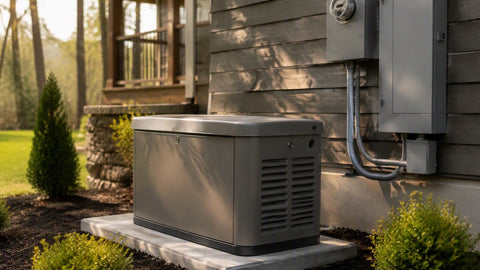
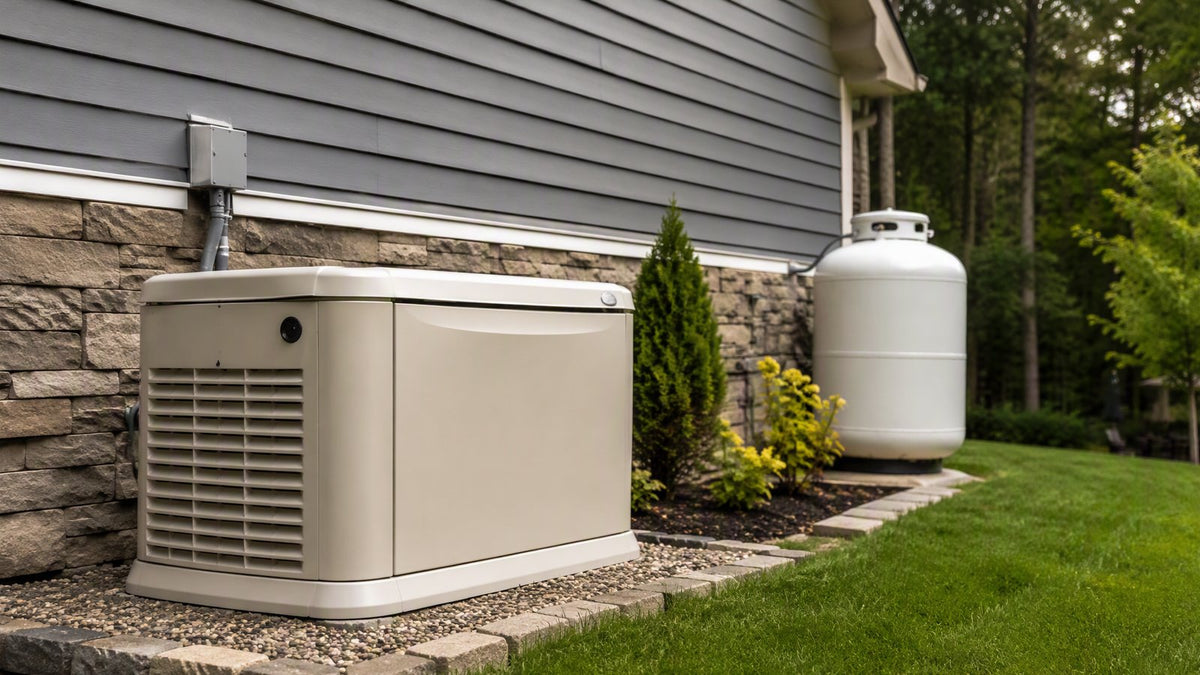
Standby units connected to a home propane supply, such as the briggs & stratton 076830 liquid cooled 35kw fortress lpv/ng standby generator, extend run times significantly, often measured in days during regular outages, depending on the load and fuel storage volume.
Fuel type compatibility and dual-fuel capability
Briggs & Stratton offers both propane-only and dual-fuel configurations. Dual-fuel designs enable switching between propane and gasoline, providing resilience if one fuel source becomes scarce. In practice, switching is designed to be straightforward, but may require manual steps or professional setup for certain models.
Fuel storage life and capacity
Propane stores well with minimal degradation over time when kept in approved cylinders or tanks. For portable use, 20 lb cylinders are typical, while standby systems rely on larger residential propane tanks. Storage life is generally long, with the fuel remaining usable barring leaks or contamination.
Noise level and emissions
Compared with Briggs & Stratton portable units, briggs stratton home standby generators from Lowe's offer a permanent home backup option, with noise levels that vary by enclosure and often fall in the 60–70 dBA range.
Safety features (auto shutoff, low-oil shutdown, CO detectors)
Key safety features include automatic shutoff on low-oil, CO detectors for portable units, and proper venting for exhaust. Auto shutoff helps prevent engine damage and potential hazards during extended outages or neglectful maintenance intervals.
Warranty length and service network availability
Most Briggs & Stratton generators, including a commercial standby generator for businesses, come with a multi-year limited warranty on parts and certain components, along with a nationwide service network through authorized dealers.
Propane vs gasoline and natural gas for portable generators, focusing on storage, refueling convenience, emissions, temperature performance, and outage availability.
Rated watts and surge watts
Gasoline often delivers higher energy density per gallon than propane, which can translate to higher peak power for gasoline models. Propane’s advantage lies in clean combustion and stable performance across temperatures, rather than raw energy density.
Run-time at typical load
Gasoline generally provides longer run-time per gallon than propane, but propane offers predictable performance and easier refueling with a household supply. In outages, propane stability helps avoid fuel spoilage risks associated with gasoline.
Fuel type compatibility and dual-fuel capability
Gasoline-only units may lack flexibility, while propane and dual-fuel setups provide broader fuel security. For homeowners with a propane line, a dual-fuel Briggs & Stratton can be a robust residential backup option.
Fuel storage life and capacity
Propane stores indefinitely in proper cylinders, while gasoline degrades over time and requires stabilizers for extended storage. This makes propane particularly appealing for long-term resilience planning.
Noise level and emissions
Propane typically emits fewer particulates and may run cleaner than gasoline, which can be a meaningful factor in noise-sensitive neighborhoods or eco-conscious installations.
Safety features (auto shutoff, low-oil shutdown, CO detectors)
Propane systems emphasize sealed storage and proper ventilation. CO detectors and automatic safety shutoffs remain critical across all fuel types to protect occupants during outages.
Warranty length and service network availability
Briggs & Stratton propane units share a common warranty framework with other fuels, and a broad service network helps ensure parts and service availability after purchase, regardless of fuel choice.
Market trends: resilience, sustainability, and incentives
Propane offers a compelling balance of reliability, cleaner operation, and modular storage. Utility resilience programs and regional incentives increasingly recognize propane-powered backup solutions for homes and small businesses.
Rated watts and surge watts
Dual-fuel Briggs & Stratton systems are designed to switch fuels with minimal power loss. When configured properly, you can maintain near-identical wattage performance on either fuel, with surge accounting for motor startups.
Run-time at typical load
Run-time on propane or gasoline will vary by fuel energy content and consumption rate. Dual-fuel designs let you optimize for availability, aiming to sustain essential loads longer during outages.
Fuel type compatibility and dual-fuel capability
Dual-fuel models are specifically engineered to operate on propane or gasoline, with fuel selectors and carburetor adjustments calibrated for reliable switching during power interruptions.
Fuel storage life and capacity
Propane storage benefits from indefinite shelf life, while gasoline requires stable storage practices. Dual-fuel systems give you the option to optimize storage strategies for your site.
Noise level and emissions
Emissions remain a consideration; propane generally reduces some pollutants compared with gasoline, while noise levels are more influenced by enclosure design and engine speed rather than fuel type alone.
Safety features (auto shutoff, low-oil shutdown, CO detectors)
All dual-fuel units incorporate standard safety features, with additional safeguards around fuel switching to minimize accidental misfueling or misconfiguration during a critical outage.
Warranty length and service network availability
Dual-fuel configurations share Briggs & Stratton’s regional service network, so access to parts and technicians remains straightforward nationwide.

Rated watts and surge watts
Understanding both figures helps you size a generator for continuous loads and startup surges. Look for a comfortable margin between surge watts and the maximum anticipated peak load to avoid nuisance outages.
Run-time at typical load
Run-time is influenced by tank capacity and engine efficiency. For propane, run-time on a standard tank at half load typically falls in the 6–12 hour range for portable units, with longer durations for larger standby models.
Fuel storage life and capacity
Propane storage is exceptionally stable when kept in approved cylinders or tanks. Tank size directly determines run-time; larger residential or commercial setups provide extended outage coverage.
Engine type and maintenance interval
Most Briggs & Stratton propane engines are 4-stroke OHV designs, delivering durability and clean performance. Routine maintenance includes oil changes, air filter checks, and spark plug replacements per manufacturer guidance.
Noise level and emissions
Noise is largely shaped by engine design and enclosure. Emissions are lower with propane than with many gasoline engines, contributing to a smaller environmental footprint in residential areas.
Safety features (auto shutoff, low-oil shutdown, CO detectors)
Look for built-in CO detectors, automatic low-oil shutoff, and proper ventilation features to ensure safe operation, particularly for units installed near living spaces or in garages.
Warranty length and service network availability
Warranty coverage and access to a national service network are critical for long-term reliability and快速 support when parts or service are needed.
Rated watts and surge watts
Pricing generally scales with wattage and whether the unit is inverter-based, conventional, portable, or standby. Expect higher price tags for inverter technology and dual-fuel capabilities due to efficiency and flexibility.
Run-time at typical load
Longer run-time units with larger fuel reserves command higher prices, reflecting greater endurance during outages and the value of extended peace of mind for customers planning for grid interruptions.
Fuel storage life and capacity
Fuel capacity influences price through larger tanks and the infrastructure required for safe storage, especially for standby systems that tie into home propane supplies.
Noise level and emissions
Units designed for quiet operation and cleaner emissions may involve additional engineering and noise-reduction features, which can modestly raise cost but improve compatibility with noise-sensitive sites.
Safety features (auto shutoff, low-oil shutdown, CO detectors)
Enhanced safety features add value and can affect pricing as manufacturers integrate advanced detectors and automatic controls for user protection.
Warranty length and service network availability
A robust, nationwide service network reduces the total cost of ownership by ensuring timely maintenance and parts availability after purchase.
Price/value for money
Assess total cost of ownership rather than upfront price alone. Consider warranty terms, service network reach, expected run-time, fuel flexibility, and maintenance needs when evaluating value.
Rated watts and surge watts
Start by listing essential circuits and their startup surges, then select a generator with a comfortable margin above peak demand to ensure reliable operation during spikes.
Run-time at typical load
Estimate outage duration in your area and choose a model with run-time that covers your critical loads without frequent refueling or fuel-switching complexity.
Fuel storage life and capacity
Assess your propane access and storage space. For homeowners, a ready supply with a safe, compliant cylinder setup is often sufficient for typical outages.
Safety features (auto shutoff, low-oil shutdown, CO detectors)
Prioritize units with CO detectors and automatic shutoffs to protect occupants, especially for installations in garages or near living spaces.
Warranty terms and service network
Verify that a local authorized dealer can service your unit, and confirm what the warranty covers and for how long, including parts and labor specifics.
Price/value for money
Balance upfront cost with expected maintenance, fuel costs, and service accessibility to determine long-term value.
Noise level and emissions
Consider site constraints and neighbor comfort; quieter, cleaner operation can be a meaningful differentiator for residential installations.

Automatic shutoff, CO detectors, and spark arrestors
Look for automatic shutoff on low oil and CO detectors, plus spark arrestors for outdoor use to reduce fire risk in dry conditions and densely populated sites.
Propane emissions and indoor air quality
Propane burns cleaner than many hydrocarbon fuels, delivering lower particulate emissions and reduced odor, which is beneficial for air quality around backup power installations.
Outdoor operation best practices
Operate generators outdoors with clearances as specified by the manufacturer and local codes to maintain good ventilation and minimize exposure to exhaust gas buildup.
Propane storage safety
Store propane cylinders upright in a ventilated, dry area away from heat sources and flames, with regular inspections for leaks and corrosion as part of a maintenance routine.
Disposal and maintenance materials
Dispose of spent fluids and worn parts through approved recycling or disposal channels, following local regulations and manufacturer guidance for safe handling.
Regulatory considerations
Be aware of local safety codes, storage requirements, and emission guidelines that may influence equipment choice, placement, and maintenance intervals in commercial or multi-tenant properties.
Grid resilience and backup power demand
Rising grid instability and extreme weather events are driving demand for reliable backup power portfolios that include propane-compatible generators for home and business use.
Cleaner operation and fuel flexibility
Manufacturers are prioritizing cleaner combustion and flexibility, with dual-fuel options increasingly seen as a standard feature rather than a premium add-on in commercial segments.
Incentives and rebates
Regional utility programs and resilience incentives may reward homeowners and contractors who install backup power solutions, including propane-enabled systems, so check local offerings and program eligibility.
Lifecycle costs and maintenance innovations
Advances in maintenance intervals and modular service networks reduce total cost of ownership, making propane-backed systems more accessible to homeowners and installers alike.
Rated watts and surge watts
Confirm your load profile and ensure the selected unit provides the necessary surge capacity for starting motors and compressors without overloading the engine.
Run-time considerations
Match run-time to your outage expectations and fuel storage capacity to avoid frequent refueling during extended outages.
Propane storage and availability
Plan for safe storage and reliable propane supply. Ensure you have a practical storage plan that complies with local codes and safety guidelines.
Dual-fuel capability
If you want flexibility, consider a dual-fuel model and understand the switching procedure and maintenance implications of running on alternate fuels.
Warranty terms
Review the warranty length, what it covers, and how service is delivered across your region through authorized dealers and service partners.
Safety features
Verify presence of CO detectors, automatic shutoff, and low-oil protection, especially for installations near inhabited spaces or in enclosed outdoor areas.
Service network
Choose a model with a broad, accessible service network to minimize downtime and ensure prompt access to parts and skilled technicians.
Pre-season checks
Inspect fuel lines, connections, and vents; confirm battery charge where applicable; and test safety features to verify proper operation before peak season.
Oil and filter changes
Follow the manufacturer’s recommended intervals for oil and filter changes to maintain engine longevity and consistent performance under load.
Air filter inspection
Inspect and replace or clean air filters as needed to prevent reduced airflow and overheating during operation.
Spark plug maintenance
Check spark plugs for wear and proper gap; replace as recommended to sustain reliable starting performance and efficient combustion.
Carburetor care and fuel system
For gasoline components in dual-fuel setups, consider carburetor service to prevent varnish buildup, especially after long storage; stabilize and cycle fuels as advised.
Battery care for electric-start units
Keep battery terminals clean and hold a proper charge; replace failing batteries promptly to avoid starting failures during outages.
Seasonal storage procedures
Follow storage guidelines for propane systems, including proper venting and disconnect procedures, to preserve components and extend life between seasons.
Portable inverter models
Inverter-based propane generators emphasize clean power and fuel efficiency for sensitive electronics, with compact footprints ideal for contractors and homeowners with mobility needs.
Conventional portable units
Conventional portable propane units blend reliability and robust surge capability, suitable for job sites and outdoor events where portability matters.
Standby options
Standby models integrate with home or business propane supply and automatic transfer switches, delivering seamless power during outages when connected to the electrical panel.
Regional availability and dealer networks
Product availability varies by region; PES Supply ships nationwide via LTL freight from its Louisville, Kentucky supply house.
Current model variations and warranty terms
Model names, features, and warranty terms can differ by region and retailer. Always verify specifications with authorized dealers and the Briggs & Stratton site for the latest details.
Propane-powered Briggs & Stratton generators offer a compelling mix of clean operation, flexible fuel options, and strong service networks. When evaluating, use the buying checklist, perform a site-specific power assessment, and consult local dealers for up-to-date model availability, pricing, and warranty terms. PES Supply supports contractors, installers, and homeowners with turnkey solar and backup power solutions, nationwide LTL freight delivery from its Louisville, Kentucky supply house, and expert support to help you select the right propane generator for resilience and performance.
"Propane-backed backup power can be a practical cornerstone of a resilient home or small business, combining cleaner emissions with flexible storage and reliable service networks," says a PES Supply technical advisor.
Power your next project with confidence by visiting PES Supply, a nationwide electrical supply distributor and installer partner offering premium Tier 1 solar panels, standby generators, and related electrical equipment. They provide turnkey solar solutions, live support, and fast nationwide LTL freight delivery from a Louisville, Kentucky supply house, serving contractors, installers, and homeowners with a catalog of 50,000+ SKUs across 169 authorized brands. Click now to unlock faster sourcing, expert guidance, and reliable nationwide delivery—learn more today and power up your success.
Related Resources:
- Best Solar Panels 2026 — Buyer's Guide
- EG4 vs Tesla Powerwall
- Qcells vs Trina vs JA
- Solar Inverter Buyer's Guide
- Solar Battery Buyer's Guide
- 5kW Solar Kit
- 10kW Solar + Battery Kit
- Off-Grid Cabin Kit
- EG4 Batteries
- Qcells Solar Panels
- Trina Solar
- JA Solar
- REC Solar
- Mission Solar
- Sol-Ark Inverters
- SolarEdge Inverters
- Generac PWRcell
Calculate how much storage you need with our battery sizing calculator.
Check solar incentives available in your state.
Use our free solar system calculator to size your array.
Check out our Solar Panel Comparison Tool. Check out our Inverter Sizing Calculator.
Calculate your solar payback and 25-year savings with our Solar ROI Calculator. Follow our complete DIY solar installation guide for step-by-step instructions. Keep your system running at peak performance with our Solar Maintenance Guide.
Related Resources
- Solar System Calculator
- Battery Sizing Calculator
- Solar Panel Comparison Tool
- Inverter Sizing Calculator
- Solar ROI Calculator
- Solar Installation Guide
- Solar Maintenance Guide
- Solar Permitting Guide
- Battery Installation Guide
- NEC Code Compliance Guide
- Solar Panel Mounting Guide
- Grounding & Bonding Guide
- Solar Incentives by State
- Pro Account — Wholesale Pricing
- PowerLink Network — Contractor Program
Field notes from our equipment desk
- I've sized generators for enough storm-season customers to give the same warning every time: the gallon-per-hour number on the brochure is at half load. Size your tank for the load you'll actually run, or your three-day outage plan becomes a one-day plan.
- I tell every storm-season customer the same thing: propane's superpower is shelf life. A diesel tank you filled five years ago is a science experiment; a propane cylinder from five years ago is still just fuel. For standby duty that sits idle 350 days a year, that matters more than any spec-sheet efficiency figure.
- The call I get every winter is vaporization freeze-up: a generator on a tank too small for the load, in real cold, starving for vapor. The fix is never in the generator — it's always in the tank sizing.
Fuel comparisons go wrong when they stop at price per gallon. Energy content per unit differs wildly, so cost per delivered kilowatt-hour is the only honest metric. The figures below are standard published energy contents (US EIA reference values); local pricing and generator efficiency at your actual load determine your real operating cost.
| Fuel | Energy Content | Storage & Shelf Life | Standby-Duty Verdict |
|---|---|---|---|
| Propane (LP) | ~91,500 BTU/gal | Indefinite shelf life in sealed tanks; on-site storage in any quantity | Best for rural sites without gas service and long idle periods |
| Natural gas | ~1,030 BTU/ft³ | No storage — utility pipeline feed; works when the gas main works | Best operating cost and zero refueling where service exists |
| Diesel | ~138,700 BTU/gal | Degrades in 12–24 months without treatment; gels in cold | Best energy density and cold-start grunt; worst fuel maintenance |
| Gasoline | ~120,000 BTU/gal | 3–6 months untreated; unsafe to store in generator-scale quantities | Portable units only — not a standby fuel |
Propane's position in this table explains the whole Briggs & Stratton LP lineup: it stores forever, burns clean enough to extend oil life, and scales from portable cylinders to 1,000-gallon buried tanks. What it gives up versus diesel is energy density per gallon, and versus natural gas it gives up the infinite runtime of a pipeline. Both trade-offs are solved with tank sizing, which is why the next table matters more than any efficiency claim.
Consumption figures below are typical published values for each generator class at half load — always verify against the spec sheet of the exact model, since engine tuning varies. The tank math, though, is pure arithmetic, and one rule is non-negotiable: propane tanks are filled to only 80% for thermal expansion, so usable capacity is 80% of nameplate.
| Generator Class | Typical LP Use @ 50% Load | Typical LP Use @ Full Load | Planning Note |
|---|---|---|---|
| 7–8kW (compact standby) | ~0.9–1.2 gal/hr | ~1.6–2.0 gal/hr | Two 100-lb cylinders is a weekend, not a storm season |
| 10–12kW (essential-circuits) | ~1.3–1.6 gal/hr | ~2.2–2.6 gal/hr | 250-gal tank covers typical 3–4 day events at moderate loads |
| 20–22kW (whole-home air-cooled) | ~2.1–2.6 gal/hr | ~3.5–4.0 gal/hr | The class where tank sizing mistakes show up first |
| 26kW (large air-cooled) | ~2.8–3.1 gal/hr | ~4.5–5.0 gal/hr | Full-load HVAC cycling pushes consumption up fast |
| 48kW liquid-cooled (Fortress class) | ~4.3–4.8 gal/hr | ~7.0–8.0 gal/hr | Commercial-class consumption; 500-gal minimum for multi-day autonomy |
Runtime arithmetic for the most common whole-home case — a 20–22kW unit at a realistic half-load average of ~2.2 gal/hr, against the 80%-fill usable capacity of standard tanks:
| Tank (Nameplate) | Usable Propane (80%) | Runtime @ 2.2 gal/hr | Real-World Meaning |
|---|---|---|---|
| 120 gal | 96 gal | ~43 hours | Under 2 days continuous — marginal for ice-storm events |
| 250 gal | 200 gal | ~91 hours | ~3.8 days — the practical minimum for whole-home standby |
| 500 gal | 400 gal | ~182 hours | ~7.6 days — covers week-long rural outages |
| 1,000 gal | 800 gal | ~364 hours | ~15 days — true energy independence with room for cold-weather vaporization margin |
Cold-weather note that belongs in every northern install: propane vaporization rate drops with temperature, and a tank that feeds a 22kW load comfortably in October can starve it in January when the liquid level is low and the mercury is below zero. The fix is surface area — larger tanks or manifolded cylinders — so tank sizing has to account for worst-case vapor delivery, not just total gallons.
Clean-burning propane extends service intervals versus gasoline and diesel, but "low maintenance" is not "no maintenance." The schedule below reflects typical Briggs & Stratton and industry-standard guidance for standby units — follow the specific model's manual where it differs.
| Service Item | Typical Interval | Why It Matters |
|---|---|---|
| Automatic exercise cycle | Weekly (self-test, 10–20 min) | Confirms start reliability; circulates oil; charges battery |
| Oil & filter change | First 25–30 hrs (break-in), then every 100–200 hrs or annually | The single biggest life-extension item on any engine |
| Air filter | Every 200 hrs or annually | Dusty sites shorten this; inspect after storms |
| Spark plugs | Every 300–400 hrs | Hard starts in an outage usually trace to neglected plugs |
| Valve clearance check | Every 400–600 hrs (liquid-cooled: per manual) | Prevents power loss and valve damage |
| Battery & charger | Inspect annually; replace every 3–4 years | The #1 no-start cause is a dead battery, not the engine |
| Fuel system & regulator | Annual leak check and regulator inspection | Propane regulators age; a $60 part protects a $6,000 asset |
| Full load-bank / operational test | Annually (commercial), every 2 years (residential) | Proves the unit carries real load, not just idle exercise |
Pair that schedule with remote monitoring where the model supports it — most no-start failures announce themselves as a missed exercise cycle or a low-battery alarm weeks before the storm, and monitored customers fix them on a calm Tuesday instead of during the outage.
How long will a propane generator run on a 250-gallon tank?
A 250-gallon tank holds about 200 usable gallons (tanks fill to 80% for thermal expansion). A 20–22kW whole-home unit at a realistic half-load average of roughly 2.2 gal/hr runs about 91 hours — nearly four days. Larger 500 and 1,000-gallon tanks extend that to roughly one and two weeks respectively. Verify consumption against your model's spec sheet at your expected load.
Is propane better than natural gas for a standby generator?
It depends on infrastructure, not fuel quality. Natural gas wins where a utility line exists: lower fuel cost, unlimited runtime, no tank. Propane wins everywhere else: indefinite storage life, on-site energy independence, and no dependence on a gas main that can lose pressure in widespread disasters. Many Briggs & Stratton standby units are field-convertible between the two.
Does propane go bad in storage?
No. Propane in a sealed tank has an indefinite shelf life — it does not degrade, gum, or attract water the way gasoline and diesel do. That is its core advantage for standby duty, where fuel may sit untouched for years between outages.
What size propane tank do I need for a whole-home generator?
For a 20–26kW whole-home unit, 250 gallons is the practical minimum for multi-day coverage, and 500 gallons is the comfortable standard for week-long rural outages. Northern installations should size up further: cold temperatures slow vaporization, and a half-empty small tank can fail to feed full generator load in deep winter even with fuel remaining.
Can a Briggs & Stratton propane generator run on natural gas too?
Many standby models are dual-fuel capable with a conversion kit or field adjustment — the Fortress line, for example, ships configured for LP or NG. Conversion changes output ratings slightly (natural gas typically derates a few percent versus propane) and must be performed per the manufacturer's instructions, ideally by the installing dealer.
How often does a propane standby generator need service?
The unit self-exercises weekly. Owner-level service is oil and filter after the 25–30 hour break-in and then every 100–200 run-hours or annually, air filter annually, spark plugs every 300–400 hours, and battery replacement every 3–4 years. An annual professional inspection covering the fuel regulator, connections, and a full operational test is money well spent.
PES Supply carries a catalog of 50,000+ SKUs from 169 authorized brands. One PO, one invoice, every trade covered.
Need help sizing? Our team can calculate loads, select equipment, and source everything from one PO.
Call (502) 790-0600