Are you curious about the size of a full-size solar panel and how it might fit into your home or project? Knowing the exact dimensions can help you plan better and avoid surprises.
Whether you're thinking about going solar for the first time or just want to understand your options, this guide will give you clear, simple answers. Keep reading to discover how big these panels really are and why their size matters for your energy needs.
Solar panels come in different sizes. Most full-size panels have similar dimensions. These sizes help with planning and installation. Knowing the size helps you understand the space needed.
Typical Size Of A Full-size Solar Panel
A common full-size solar panel measures about 65 inches tall and 39 inches wide. This is roughly 5.4 feet by 3.25 feet. The thickness is usually around 1.5 to 2 inches. These panels weigh between 40 and 50 pounds.
Dimensions For Different Panel Types
|
Panel Type |
Height (inches) |
Width (inches) |
Thickness (inches) |
Weight (pounds) |
|
Monocrystalline |
65 |
39 |
1.5 |
45 |
|
Polycrystalline |
65 |
39 |
1.5 |
45 |
|
Thin-film |
60 |
36 |
0.1 - 0.2 |
20 - 30 |
Why Panel Size Matters
Panel size affects how much space you need to install them. Bigger panels can produce more power but need more room. Smaller panels fit tight spaces but may need more units.
The size also influences how to mount and support panels. Proper size knowledge helps in buying the right racks and frames. It also helps in planning the wiring and connections.
Solar panels come in different types and sizes. Full-size panels are common for homes and businesses. These panels convert sunlight into electricity. Understanding their types helps choose the right one.
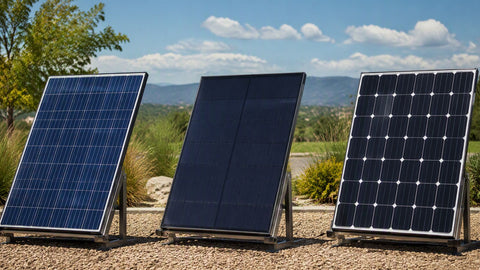
Monocrystalline panels are made from single crystal silicon. They have a uniform dark color and are very efficient. These panels usually produce more power in less space. They are also durable and long-lasting.
Polycrystalline Solar Panels
Polycrystalline panels are made from many silicon crystals melted together. They look blueish and speckled. These panels are less efficient than monocrystalline but cost less. They are a popular choice for budget-friendly solar power.
Thin-film Solar Panels
Thin-film panels are made by placing a thin layer of solar material on a surface. They are lighter and flexible. These panels are less efficient but work well in low light. They are often used for special applications.
Size Comparison Of Full-size Solar Panels
|
Type |
Typical Size (inches) |
Power Output (Watts) |
Efficiency (%) |
|
Monocrystalline |
65 x 39 |
320-400 |
18-22 |
|
Polycrystalline |
65 x 39 |
280-350 |
15-17 |
|
Thin-Film |
Varies, often larger |
100-200 |
10-12 |
Solar panels come in different sizes based on the materials used. The type of material affects the panel's size and efficiency. Understanding this helps in choosing the right panel for your needs.
Types Of Solar Panel Materials
The most common materials are monocrystalline, polycrystalline, and thin-film. Each has a different size and power output.
- Monocrystalline: Made from a single crystal. Usually the most efficient.
- Polycrystalline: Made from multiple crystals. Slightly less efficient.
- Thin-film: Very thin layers of solar cells. Smaller size but lower efficiency.
Size Differences By Material
|
Material |
Typical Size (inches) |
Efficiency |
|
Monocrystalline |
65 x 39 |
15-20% |
|
Polycrystalline |
65 x 39 |
13-16% |
|
Thin-film |
Varies, often smaller |
10-12% |
Why Material Affects Panel Size
Different materials convert sunlight to electricity at different rates. Higher efficiency means a smaller panel can produce the same power.
Thin-film panels need more surface area to produce the same power. Monocrystalline panels are smaller but cost more.
Solar panels are used to change sunlight into electricity. Many people want to know the size of a full-size solar panel. This size affects where it can fit and how much power it can make. Solar panels come in different sizes and shapes, but most full-size panels share common dimensions.
What Does Efficiency Mean?
Efficiency shows how well a solar panel turns sunlight into energy. Higher efficiency means more power from the same size panel. Efficiency depends on the material and technology inside the panel.
Standard Solar Panel Sizes
|
Panel Type |
Length (inches) |
Width (inches) |
Area (square feet) |
|
Monocrystalline |
65 - 67 |
39 - 40 |
17.5 - 18.6 |
|
61 - 65 |
39 - 40 |
16.5 - 18.0 |
|
|
Thin-Film |
Varies |
Varies |
Varies |
How Size Affects Power Output
Bigger panels usually make more power. But higher efficiency panels can make the same power with less space. This is good for roofs with limited area.
Choosing The Right Panel Size
- Measure your roof space before buying panels.
- Check panel efficiency to maximize power.
- Consider panel weight for roof safety.
- Think about future expansion when planning your system.
Full-size solar panels are common in homes and businesses. Knowing their size helps plan the installation space. Most full-size panels have a similar size but can vary slightly. This affects how many panels fit on your roof or land.
Standard Dimensions Of A Full-size Solar Panel
The usual size of a full-size solar panel is about 65 inches by 39 inches. This is around 5.4 feet by 3.25 feet. The thickness is usually less than 2 inches.
These panels weigh about 40 pounds. Size and weight can change based on the brand or panel type.
Space Needed For Multiple Panels
Panels need space for mounting and wiring. For each panel, allow extra room for easy access and airflow. This keeps panels cool and working well.
|
Number of Panels |
Approximate Width (feet) |
Approximate Height (feet) |
Extra Space (feet) |
|
1 |
3.25 |
5.4 |
1 (around edges) |
|
4 (2x2 grid) |
6.75 |
10.8 |
2 (between panels) |
|
10 (2x5 grid) |
6.75 |
27 |
3 (between panels) |
Roof Space Considerations
Check your roof’s size and shape before buying panels. Not all roofs fit panels easily. Some roofs have obstacles like vents or chimneys. These reduce usable space.
Panels work best on south-facing roofs in many places. Angle and shading also affect panel placement and number.
Ground Installation Space
Ground-mounted solar panels need more space than roof ones. They require room to avoid shading each other. Usually, a clear area of about 100 square feet fits 4 panels well.
Plan space for maintenance and wiring too. This helps keep the system working safely and well.
Solar panels come in different sizes for various uses. Residential panels are made for homes. Commercial panels are built for larger buildings or businesses. Knowing the size difference helps plan for space and energy needs. This guide explains the typical sizes of both types of panels.
Size Of Residential Solar Panels
Most residential solar panels measure about 65 inches by 39 inches. That is roughly 5.4 feet by 3.25 feet. These panels usually have a power output between 250 and 400 watts.
They are designed to fit on roof spaces of houses. The size balances power and ease of installation.
Size Of Commercial Solar Panels
Commercial solar panels are larger, often around 78 inches by 39 inches. This means about 6.5 feet by 3.25 feet. Their power output ranges from 350 to 500 watts.
These panels are made to cover big roof areas or open spaces. Their bigger size helps produce more electricity with fewer panels.
Comparison Table Of Residential Vs Commercial Panels
|
Feature |
Residential Panels |
Commercial Panels |
|
Typical Size |
65" x 39" (5.4 ft x 3.25 ft) |
78" x 39" (6.5 ft x 3.25 ft) |
|
Power Output |
250 - 400 Watts |
350 - 500 Watts |
|
Use |
Homes, small rooftops |
Businesses, large rooftops, open spaces |
|
Installation |
Easier due to smaller size |
Requires more planning and support |
Full-size solar panels have grown larger over the years. This change helps capture more sunlight and produce more energy. Sizes vary depending on the type and use. Understanding panel size helps choose the right one for homes or businesses.
Current Standard Sizes
Most full-size solar panels today measure about 65 inches by 39 inches. This size suits many rooftops and solar systems. The panels usually have 60 or 72 solar cells. These cells turn sunlight into electricity.
Why Panel Size Matters
Larger panels can generate more power from the same area. But they may be harder to install and move. Smaller panels are easier to handle but produce less energy. Choosing the right size depends on space and energy needs.
Trends In Increasing Panel Dimensions
Solar panel makers are making panels bigger to increase output. Panels up to 78 inches by 39 inches are becoming common. More cells or larger cells help catch more sunlight. This trend aims to improve efficiency and reduce costs.
Impact On Installation And Use
- Bigger panels can reduce the number of panels needed.
- Heavier panels require stronger mounts.
- Roof size limits may restrict panel size choices.
- Designs are adapting to balance size and ease of use.
Future Possibilities In Panel Size
Researchers are testing even larger panels and new shapes. Flexible and thin panels may change size limits. Panels could become more efficient without growing too big. This helps solar power fit more places and uses.
How Large Is A Full-size Solar Panel?
A full-size solar panel usually measures about 65 inches by 39 inches, or roughly 5. 5 feet by 3. 25 feet.
What Factors Affect Solar Panel Size?
Panel size depends on power output, technology type, and manufacturer design choices.
How Much Space Do Solar Panels Need On A Roof?
Most roofs need at least 250 to 400 square feet for a typical solar panel system.
A full-size solar panel usually measures about 65 by 39 inches. This size fits most home solar systems well. Knowing the panel size helps plan your roof space. It also guides how many panels you need. Solar panels come in different sizes, but this is common.
This information makes choosing solar panels easier. Think about your energy needs and space. With the right size, solar power works better for you. Simple and clear facts help you decide smartly.
Related Resources:
- Best Solar Panels 2026 — Buyer's Guide
- EG4 vs Tesla Powerwall
- Qcells vs Trina vs JA
- Solar Inverter Buyer's Guide
- Solar Battery Buyer's Guide
- 5kW Solar Kit
- 10kW Solar + Battery Kit
- Off-Grid Cabin Kit
- EG4 Batteries
- Qcells Solar Panels
- Trina Solar
- JA Solar
- REC Solar
- Mission Solar
- Sol-Ark Inverters
- SolarEdge Inverters
- Generac PWRcell
Calculate how much storage you need with our battery sizing calculator.
Use our free solar system calculator to size your array.
Check out our Solar Panel Comparison Tool. Check out our Inverter Sizing Calculator.
Calculate your solar payback and 25-year savings with our Solar ROI Calculator. Follow our complete DIY solar installation guide for step-by-step instructions. Keep your system running at peak performance with our Solar Maintenance Guide.
Related Resources
- Solar System Calculator
- Battery Sizing Calculator
- Solar Panel Comparison Tool
- Inverter Sizing Calculator
- Solar ROI Calculator
- Solar Installation Guide
- Solar Maintenance Guide
- Solar Permitting Guide
- Battery Installation Guide
- NEC Code Compliance Guide
- Solar Panel Mounting Guide
- Grounding & Bonding Guide
- Solar Incentives by State
- Pro Account — Wholesale Pricing
- PowerLink Network — Contractor Program
What size wire do I need?
Wire sizing follows NEC Table 310.16 based on ampacity. A 20A circuit needs 12 AWG copper, a 30A circuit needs 10 AWG, and a 50A circuit needs 6 AWG.
Do I need a permit for electrical work?
Most electrical work requires a permit. Check with your local AHJ (Authority Having Jurisdiction). PES Supply provides spec sheets for permit submittals.
What is the NEC 125% rule?
NEC 210.19(A)(1) requires continuous loads (3+ hours) to be sized at 125% of the rated load. A 16A continuous load needs a 20A breaker (16 x 1.25 = 20A).
PES Supply carries 80,000+ products from 300+ manufacturers. One PO, one invoice, every trade covered.
Need help sizing? Our team can calculate loads, select equipment, and source everything from one PO.
Call (502) 790-0600
From the roof: We measured a 3,200 sq ft ranch in Lake Oswego last week. The south-facing roof had 940 sq ft usable after setbacks. We fit 28 JA Solar 550W panels (7.5 sq ft each) for a 15.4 kW system. The homeowner's annual usage was 14,800 kWh — this array will zero out his bill with room to spare for an EV.
Panel size reality check: People see "550W" and think the panel is bigger. It isn't — it's the same 82×45 inch frame as a 400W panel from five years ago. The cells are just more efficient. We stock both 400W and 550W panels in our Portland warehouse, and the physical difference is negligible. What changes is your string count and inverter sizing.
Weight matters: A 72-cell panel at 52 lbs needs two installers per panel on a steep roof. We've seen DIYers try to solo-carry these up a 12/12 pitch. Don't. Use a ladder hoist or pay for professional install. Your back (and your roof) will thank you.
Shop Full-Size Solar Panels
- 400W Solar Panels — industry workhorse, great price per watt
- 500W Solar Panels — maximum power per panel
- 550W Solar Panels — utility-grade for residential roofs
- 600W Solar Panels — commercial and ground-mount
- 700W+ Solar Panels — highest wattage available
- Bifacial Panels — up to 20% extra from rear-side light
- All-Black Panels — sleek aesthetics for visible rooflines
- Panel Pallet Bundles — bulk pricing for large projects